U.S.-Israeli strikes on Iran: What we know so far
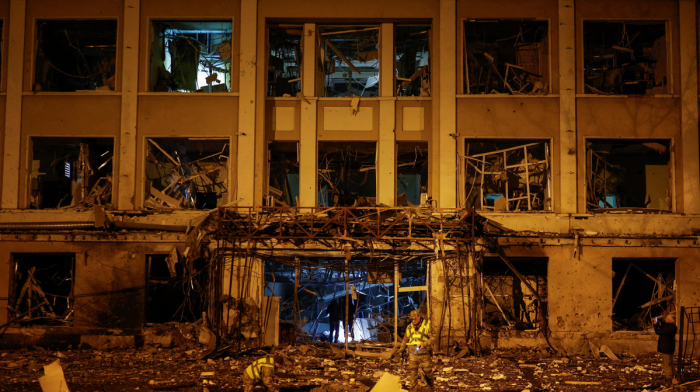
The United States and Israel have carried out large-scale strikes on Iranian leadership and military targets, with Iranian state media confirming t...
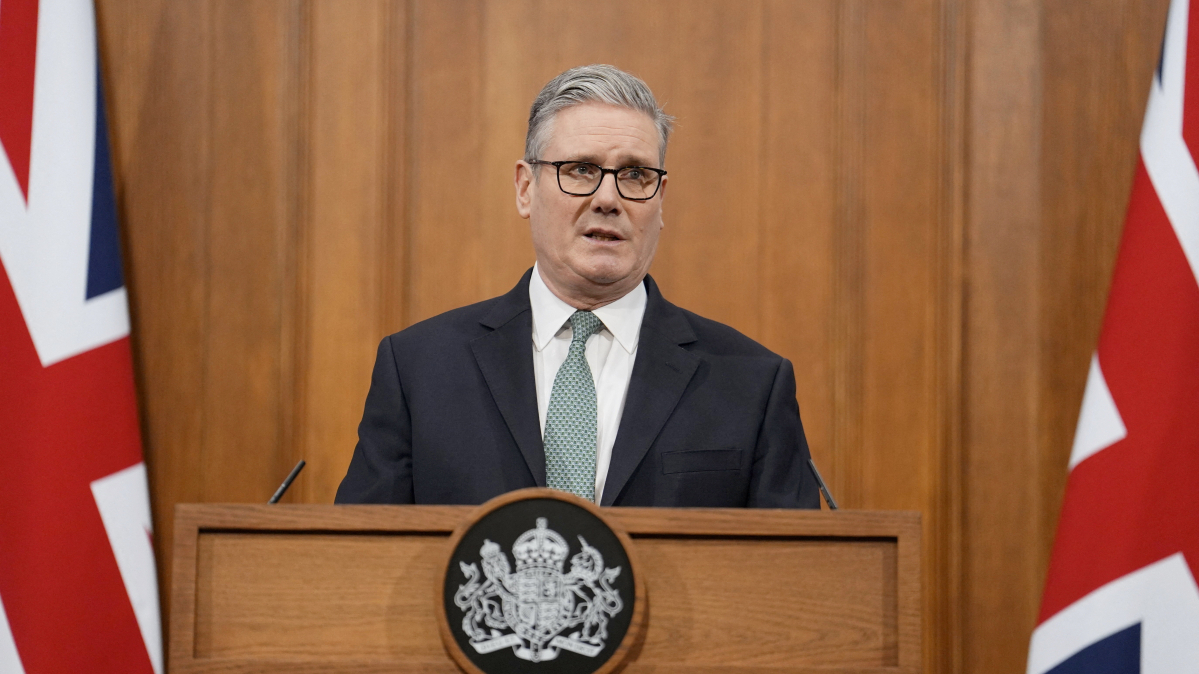
UK Prime Minister Sir Keir Starmer has spoken with US President Donald Trump as Washington plans to impose 10 per cent tariffs on the UK and several European allies.
The move is linked to renewed US claims over Greenland, raising concerns about trade and diplomacy.
The call comes after Donald Trump again suggested the United States should acquire Greenland, prompting swift and firm reactions across Europe.
Danish authorities reiterated that Greenland is not for sale and stressed that decisions about its future must rest solely with the people of Greenland.
In London, Keir Starmer underlined the importance of respecting sovereignty and international law, warning that territorial integrity must not be used as leverage in global politics.
He has repeatedly said that Greenland’s future should be determined by its own people and by Denmark.
The diplomatic exchange follows Trump’s announcement of proposed tariffs on the UK and other European countries.
The US president has linked the move to broader disagreements involving Greenland, despite the absence of any negotiations or legal mechanism for a potential transfer of the Arctic territory.
Eight countries named in the tariff proposal warned the measures could damage transatlantic relations and trigger escalation.
In a joint statement issued on Sunday, Denmark, Finland, France, Germany, the Netherlands, Norway, Sweden and the UK said they stood in full solidarity with the Kingdom of Denmark and the people of Greenland, while reaffirming their shared commitment to Arctic security.

Follow the latest developments and global reaction after the U.S. and Israel launched “major combat operations” in Iran, prompting retaliation from Tehran.
Governments across the region responded swiftly to Israel’s strikes on Iran, closing airspace, issuing travel advisories and activating contingency plans amid fears of escalation.
Ayatollah Alireza Arafi has moved into a pivotal constitutional role following the death of Supreme Leader Ayatollah Ali Khamenei, becoming the clerical member of Iran’s temporary leadership council under Article 111 of the Constitution of the Islamic Republic of Iran.
A senior Iranian official has warned Israel to “prepare for what is coming”, insisting that Tehran’s response to the latest escalation in the Middle East will be made openly and without limits.
Ayatollah Ali Khamenei, Iran’s supreme leader for 36 years and the country’s highest political and religious authority, has died aged 86 following joint Israeli and U.S. strikes on his compound in Tehran.
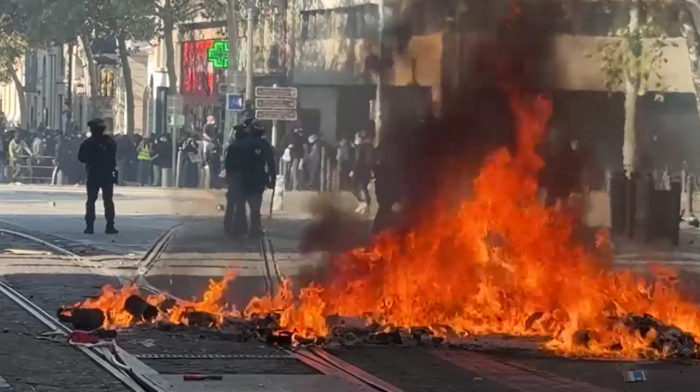
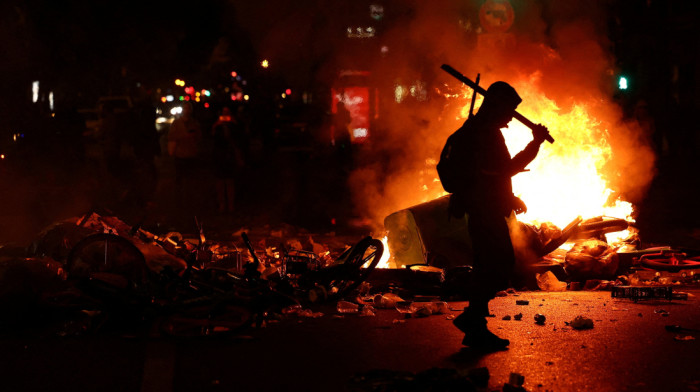
Protests broke out in Pakistan and Iraq on Sunday after Iranian state media confirmed that Supreme Leader Ayatollah Ali Khamenei had been killed in joint U.S.–Israeli strikes. At least nine people were reported dead in clashes near the U.S. consulate in Karachi.
Afghanistan said it had fired at Pakistani aircraft over Kabul after explosions and gunfire rocked the capital early on Sunday, marking a sharp escalation in fighting between the two neighbours.
A senior Iranian official has warned Israel to “prepare for what is coming”, insisting that Tehran’s response to the latest escalation in the Middle East will be made openly and without limits.
Cuba has released extensive details of a deadly midweek shootout at sea, showing rifles, pistols and nearly 13,000 rounds of ammunition that it says were carried by a group of exiles who attempted to enter the island by speedboat.
Afghanistan’s Taliban rulers said on Friday (27 February) they were ready to negotiate after Pakistan bombed their forces in several Afghan cities, including Kabul and Kandahar, and Islamabad declared the neighbours were now in "open war".
You can download the AnewZ application from Play Store and the App Store.
What is your opinion on this topic?
Leave the first comment