The Trump administration has denied a report that countries would be required to pay $1bn to join a proposed U.S.-backed peace initiative, after Bloomberg News said a draft charter set out a membership fee.
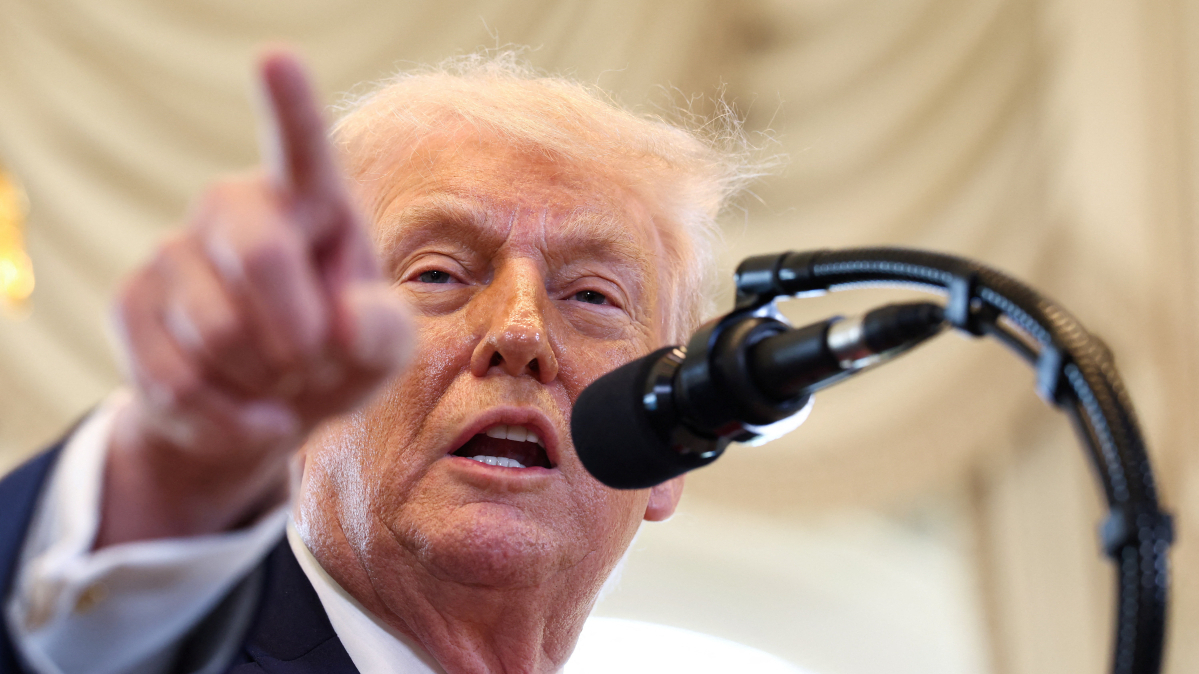
Bloomberg reported on Saturday that the charter envisaged member nations paying $1bn to remain on the so-called Board of Peace. According to the report, Donald Trump would serve as the board’s inaugural chairman, with member states appointed for renewable terms of up to three years.
Reuters said it could not immediately verify the Bloomberg report.
The White House dismissed the claim as "misleading", saying there was no minimum membership fee to join the board.
"This simply offers permanent membership to partner countries who demonstrate deep commitment to peace, security, and prosperity," the White House said in a post on X.
The U.S. State Department referred Reuters to previous social media posts about the board by Trump and his special envoy, Steve Witkoff, which made no reference to any payment requirement.
What is the Board of Peace?
The Board of Peace is a U.S.-backed initiative announced by Donald Trump as part of a proposal to oversee the temporary governance of Gaza following a ceasefire between Israel and Hamas.
According to U.S. officials, the board would supervise a transitional period in which Gaza would be administered by a Palestinian technocratic body, before potentially expanding its remit to address other international conflicts.
Trump is expected to serve as the board’s inaugural chairman
Invitations have been sent to leaders from several countries, although the White House has said the roles and responsibilities of individual members have not yet been finalised.
The plan has drawn criticism from rights experts and diplomats, who argue that a U.S.-led body overseeing governance in a foreign territory could undermine international norms and existing multilateral frameworks.












What is your opinion on this topic?
Leave the first comment