Explainer: Why Israel and Lebanon are set for rare U.S. talks amid escalating conflict
Israeli and Lebanese envoys are set to meet in Washington on Tuesday in a rare U.S.-driven diplomatic effort to halt escalating violence between...
Protests that erupted across Iran in recent weeks have largely subsided following a sweeping security crackdown that residents and human rights groups say killed thousands of people.
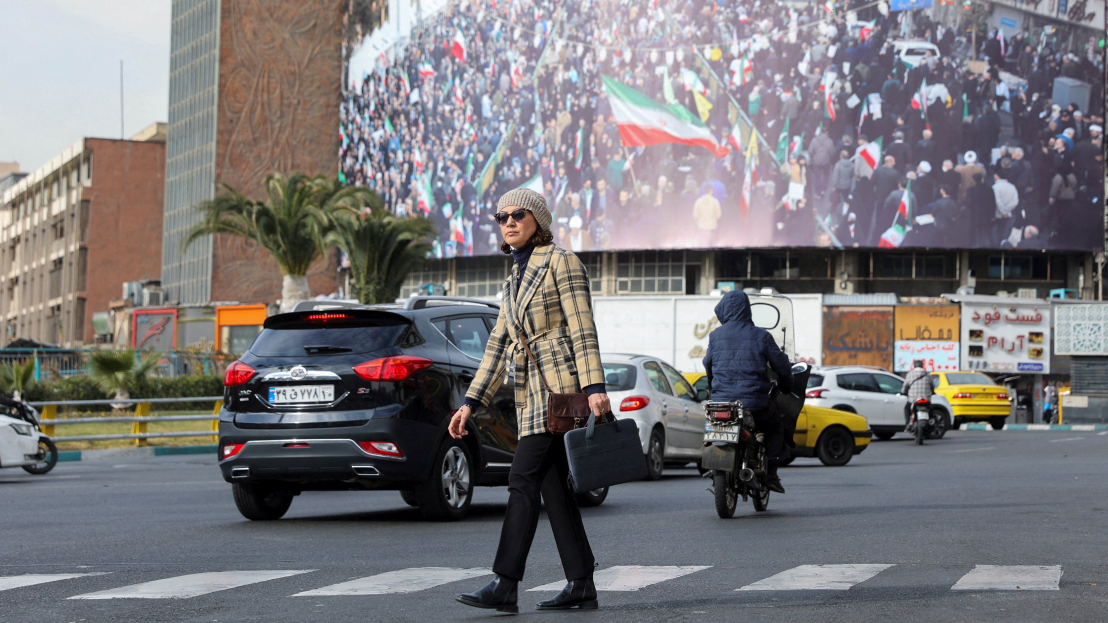
Residents in Tehran and other major cities told international media that streets have been noticeably quieter in recent days, with no large-scale demonstrations reported since earlier in the week.
The lull follows an intense response by the authorities, including the deployment of security forces, mass arrests and restrictions on internet access.
State media reported further arrests on Friday, despite warnings from the U.S. that it could intervene if killings continued. Iran has said it would respond to any act of aggression.
The protests began late last month, initially driven by anger over economic hardship, before spreading rapidly to cities across the country. They became one of the most serious waves of unrest Iran has seen in years.
Rights groups say the demonstrations have largely been suppressed because of the severity of the government response. The Norway-based Kurdish rights organisation Hengaw said it had not recorded any significant protests in recent days.
"Our independent sources confirm a heavy military and security presence in cities and towns where protests previously took place, as well as in several locations that did not experience major demonstrations," the rights group told Reuters.
Residents, speaking anonymously, described checkpoints, patrols and surveillance drones, as well as warnings from authorities against gatherings. One Tehran resident said people were staying indoors out of fear.
State media have reported the deaths of members of the security forces and accused protesters of vandalism and violence, framing the unrest as an attempt to destabilise the country.
Despite the relative calm, rights groups have warned that tensions remain high.

Israeli Prime Minister Benjamin Netanyahu says he has given an instruction for Israel to begin peace talks with Lebanon that would also include the disarming of Hezbollah.
Afghanistan and Pakistan have agreed to continue dialogue and avoid steps that could worsen tensions after China-hosted talks in Urumqi, with Kabul and Beijing saying the meetings focused on easing differences and improving relations.
Amid fragile calm, António Guterres urged constructive U.S.- Iran talks, while Pope Leo XIV warned violence is spreading. Lebanon's President said an Israeli strike killed 13 security personnel in Nabatieh.
Memorial events were held in Tehran’s main squares on Wednesday (8 April) to mark the 40th day since the killing of former Supreme Leader Ayatollah Ali Khamenei, who died during U.S.-Israeli attacks on 28 February.
Dubai has restricted foreign airlines to one daily flight to its airports until 31 May due to the Iran crisis, raising fears of significant revenue losses for Indian carriers, industry letters show.
Donald Trump’s flagship plan for post-war Gaza has come under scrutiny after reports that its financing is falling short of expectations, claims firmly rejected by the White House-backed Board of Peace.
A charity co-founded by Prince Harry in honour of his late mother, Princess Diana, is suing him for libel at the High Court in London, according to a court record published on Friday (10 April).
The European Union and Washington are nearing an agreement to coordinate the production and security of critical minerals, Bloomberg News reported on Friday (10 April).
In a forceful rebuke to Washington’s foreign policy in the Americas, a senior Russian diplomat has declared that Moscow will never abandon Cuba, pledging ongoing support to help the Communist-run island overcome a severe energy crisis linked to the United States embargo.
Hungary votes on Sunday in a parliamentary election that could loosen Viktor Orbán’s 16-year hold on power. His ruling Fidesz faces a strong challenge from Péter Magyar’s Tisza party, which has led some polls, though many voters remain undecided.
You can download the AnewZ application from Play Store and the App Store.
What is your opinion on this topic?
Leave the first comment