Saudi Arabia intercepts drone over Riyadh amid rising Houthi attacks
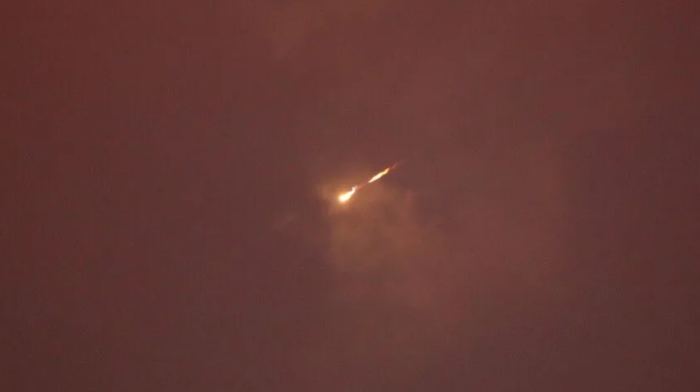
Saudi Arabia’s air defences have intercepted and destroyed a hostile drone over the Riyadh region, according to the Saudi-led coalition fight...
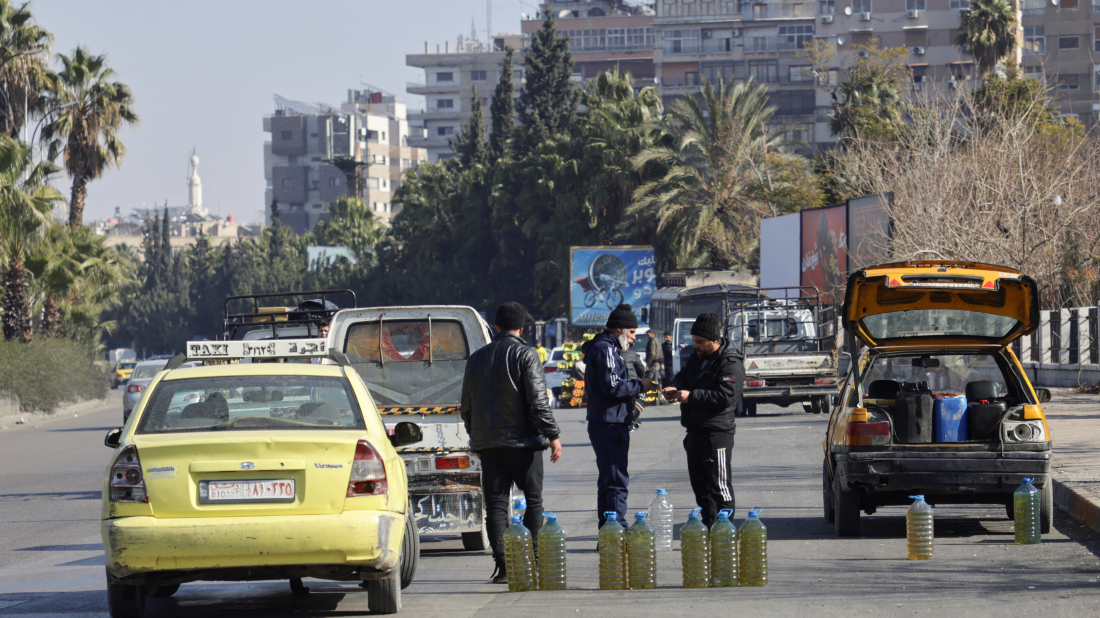
Fuel vendors in Damascus are thriving in the post-Assad era, providing much-needed gasoline and diesel to Syrians after years of repression under the former regime. The shift has brought newfound freedom and relief from years of repression.
Fuel vendors in Damascus are thriving in the post-Assad era, offering much-needed gasoline and diesel to Syrians, a stark contrast to the fuel shortages and state repression under Bashar al-Assad’s regime. Under Assad, street vendors like Omar Deeb faced constant crackdowns, with security forces, customs authorities, and even air force intelligence raiding their stalls, confiscating goods, and leaving them unable to work. "We used to set up our stalls, but they would come and take our goods. We couldn't work freely, and some people betrayed us by reporting us," Deeb recalls.
Fuel shortages were rampant, with citizens often waiting for state-issued messages to buy fuel. Khalid Abdullah al-Sedo, another vendor, remembers the harsh conditions under the regime: "You used to dream of getting into a gas station with a motorbike, but they would kick you out, telling you motorcycles weren't allowed. You had to beg just to fill up a liter, and sometimes they wouldn’t even give you that."
Since Assad’s fall, vendors have been able to operate without fear, easing fuel access for the public. Despite ongoing international sanctions that limit Syria’s ability to import essential goods, there is cautious optimism for future trade deals. For now, fuel sellers in Damascus continue to provide a vital service to locals, operating openly in a newly liberated environment.
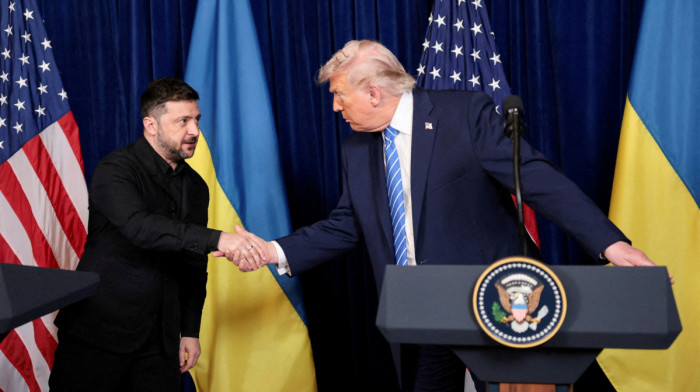
The U.S. has approved the sale of 500 Patriot PAC-3 missiles to Ukraine in a deal worth an estimated $2.1 billion, but Kyiv could face years of delays before receiving the weapons it urgently needs to defend against intensifying Russian attacks.
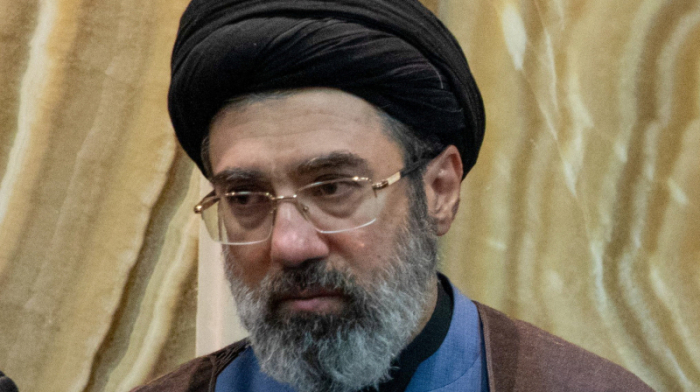
Iranian Supreme Leader Ayatollah Khamenei has ordered Iran's armed forces to respond to any threat immediately and without geographical limits in statements posted to social media platforms on Saturday (31 October).
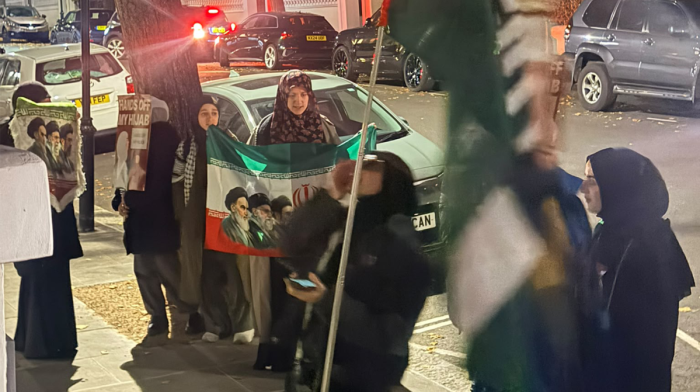
Demonstrators carrying Iranian flags and placards supporting the hijab gathered outside the Azerbaijani Embassy in London.
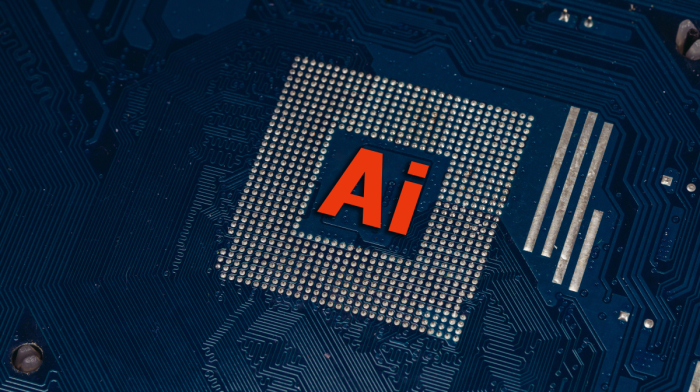
A Chinese-made AI chip has matched Nvidia’s H200 in tests conducted by its developer, marking a potential breakthrough in China’s efforts to reduce its dependence on foreign technology.
A hacking group linked to North Korea is widely believed to be behind the theft of $6.3 billion from cryptocurrency giant Binance, a cyberattack that experts describe as the largest cryptocurrency heist on record.
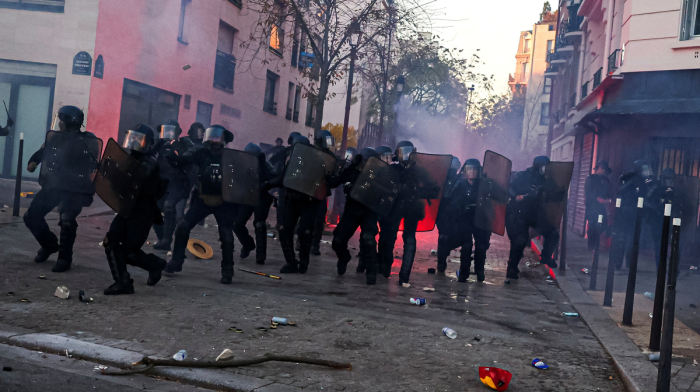
Police were deployed across Paris on Saturday, as a curfew was set to take effect in the Republique and Châtelet-Les Halles areas from 11pm Saturday until 6am Sunday (1 November).
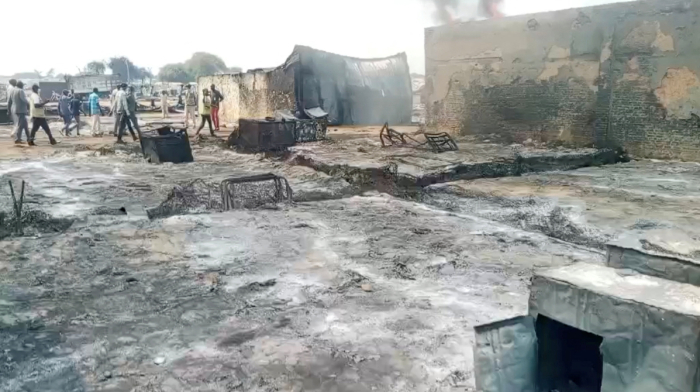
A drone strike hit a power station in northern Sudan early Sunday (1 November), sparking a fire and triggering loud explosions, witnesses said.
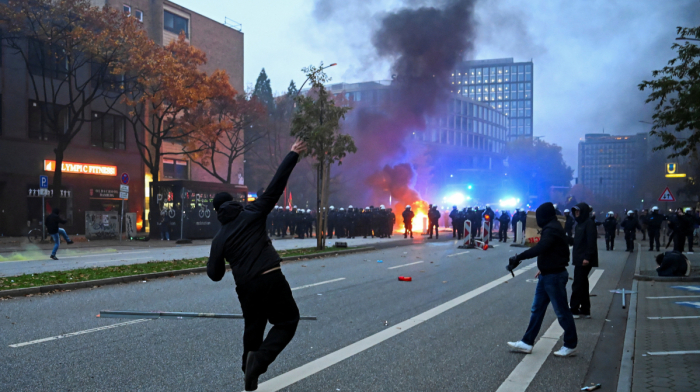
Gen Z protests swept 34 German cities on Saturday (31 October) over education and living costs. Violence erupted in Frankfurt, where shops were looted and police reported Molotov cocktail attacks.
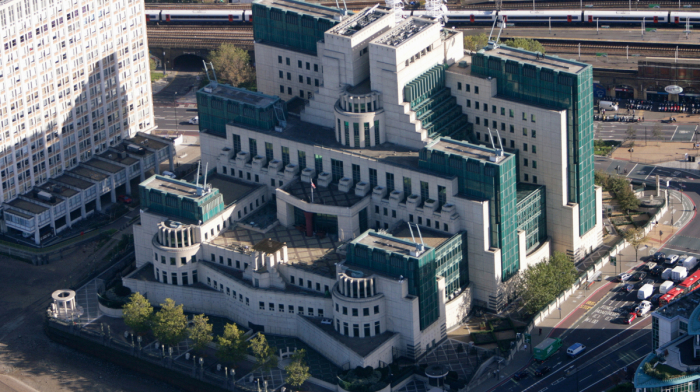
Iran designated Britain's Royal Navy and Royal Air Force as terrorist organisations on Sunday, (1 November), and classified the country's foreign intelligence agency, MI6, as a hostile group, according to a statement from the Iranian Foreign Ministry.
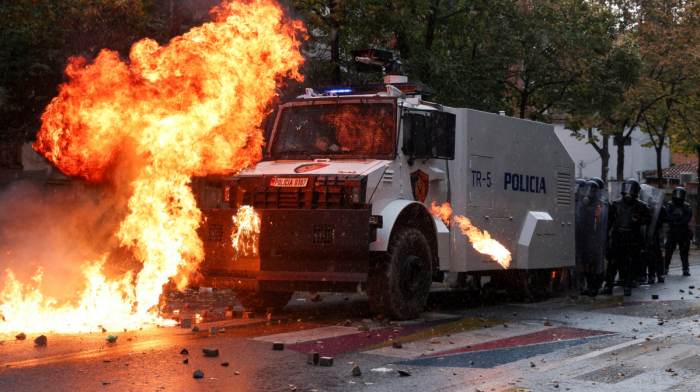
Thousands protested in Albania's capital, Tirana, on Saturday (31 October), demanding Prime Minister Edi Rama's resignation over perceived corruption allegations and dissatisfaction with the government over a lack of jobs and poor education standards.
You can download the AnewZ application from Play Store and the App Store.
What is your opinion on this topic?
Leave the first comment