live U.S. hits Iranian radar installations after drone threat in Strait of Hormuz
The U.S. said it struck Iranian radar sites on Qeshm Island and in Goruk after intercepting four drones, while Iran's Revolutionary Guards said they l...
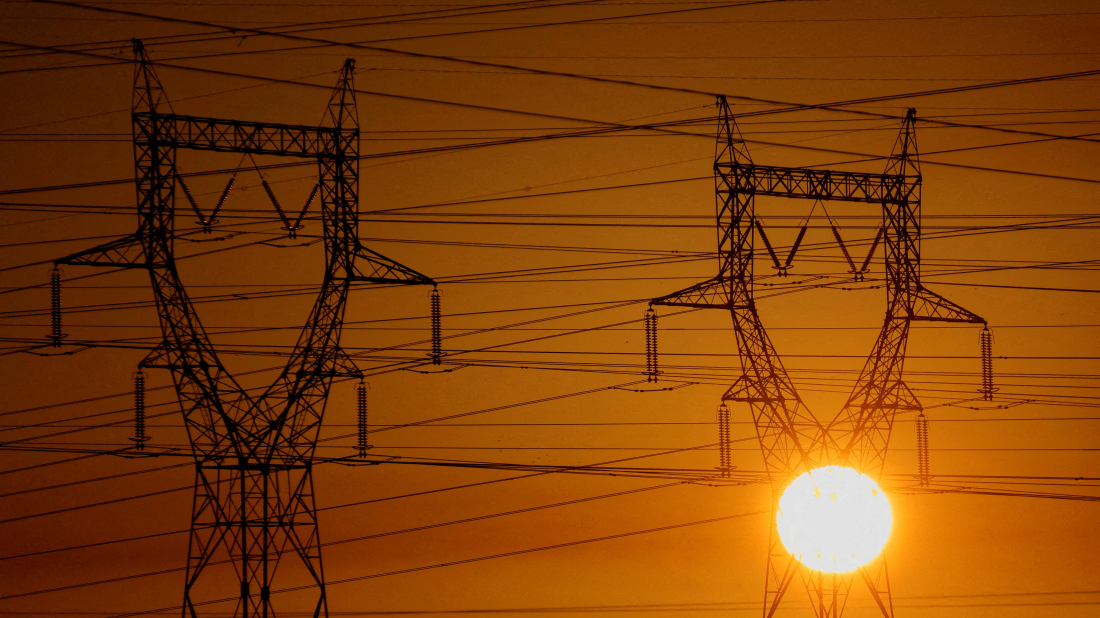
Syria is set to boost its daily electricity supply from around four hours to nearly ten, as natural gas from Azerbaijan begins flowing through a newly restored pipeline via Türkiye, according to a senior official from the Syrian Ministry of Energy.
Ahmed Suleiman, Director of Institutional Communication at the ministry, told state media that gas deliveries through the Kilis–Aleppo pipeline will begin on Saturday, with the public expected to feel the impact by Sunday or Monday. The line has a capacity of six million cubic metres per day.
The gas will initially fuel a power plant in Aleppo, with plans to extend supply to other key regions including Hama, Homs, and potentially the south, depending on pressure levels on the Turkish side.
Suleiman said the new supply would raise electricity generation capacity from the current 1,500–2,000 megawatts to between 2,500 and 3,000 megawatts. Syria needs about 7,000 megawatts to provide uninterrupted power nationwide, he added.
He emphasised that the increase in supply will be distributed evenly across all provinces and that “no region will receive more electricity than another.”
Longer-term plans include a $7 billion investment package to restore four major power plants and launch 1,000 megawatts’ worth of solar energy projects. Smaller renewable projects ranging from 10 to 200 megawatts are also underway across the country.
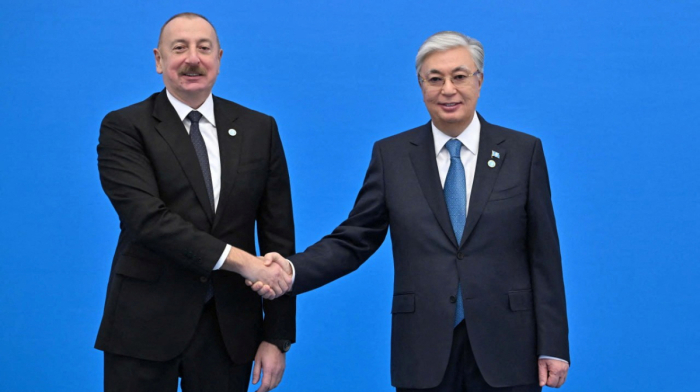
Suleiman acknowledged Türkiye’s role in rehabilitating the pipeline and confirmed that Qatar would cover the cost of transporting Azerbaijani gas to Syria for one year. He expressed gratitude to all three governments for enabling what he called “a step toward national recovery.”
A review of electricity tariffs is expected, though Suleiman said any changes would be tailored to citizens’ income levels. The current rate is about 10 Syrian pounds per kilowatt-hour, which he described as unsustainable.

Iran’s Revolutionary Guards (IRGC) said in a statement that its Aerospace Force did not strike the Kuwait Airport passenger terminal on Wednesday, and that the destruction was instead caused by a failed U.S. Patriot missile.
The new AnewZ documentary, TARGET: Yerevan, builds its explosive case on exclusive, secret recordings originally published by Minval Politika.
Five Azerbaijani citizens have been killed and three others injured following drone attacks on two cargo vessels in the Sea of Azov, Azerbaijan's Foreign Ministry said on Friday.
Azerbaijan has strongly rejected allegations published by CNN claiming that its territory was used for Israeli military and intelligence operations against Iran, describing the report as entirely baseless and demanding a retraction.
Armenia will hold parliamentary elections on 7 June 2026, a vote that will shape the country’s political direction for the next five years. Understanding how the electoral system converts votes into parliamentary power is key to following the outcome and its wider regional implications.
People across Gaza are facing a worsening humanitarian crisis, with millions struggling to access food, clean water, shelter and medical care as the conflict continues.
The United States has announced an additional $38 million to support efforts to contain the Ebola outbreak in the Democratic Republic of Congo, as health officials warn that the virus could spread further without stronger action.
More than 6,000 people gathered outside a vote-counting centre in Seoul on Friday night, demanding this week’s local elections be repeated after ballot shortages left some voters unable to cast their ballots.
The next time a goal goes in during a Champions League final, fans around the world could watch it from every angle at once — frozen, rotated and replayed in ways that were impossible only a few years ago.
An ageing, poorly insured shadow armada now accounts for around one-sixth of the world's tanker fleet. Hidden by design and fraught with risk, it operates beyond conventional oversight. A maritime law expert explains how it works, who profits, and why much of the world looks the other way.
You can download the AnewZ application from Play Store and the App Store.
What is your opinion on this topic?
Leave the first comment