Rubio champions Iran dialogue ahead of Geneva talks and reaffirms support for Hungary’s PM
U.S. Secretary of State Marco Rubio said Washington is ready to pursue diplomacy with Iran as nuclear talks resume in Geneva, using a visit to Budapes...
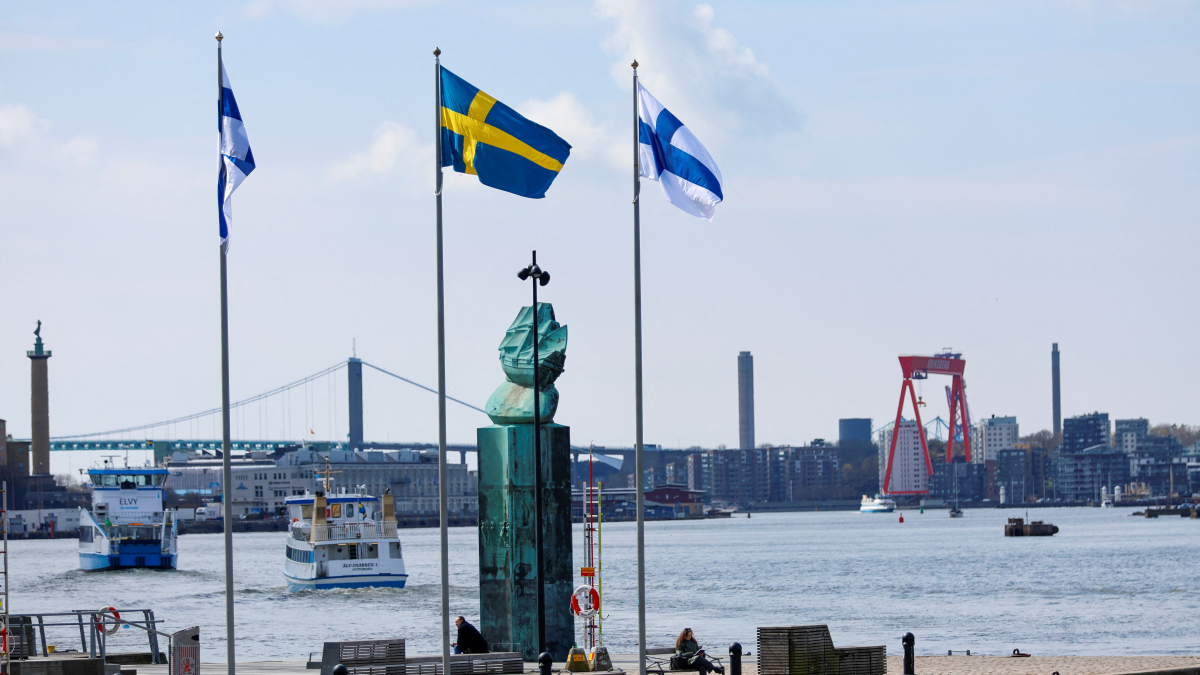
Finland and Sweden have called for tougher economic measures against Russia, proposing higher import duties, export restrictions, and an European Union ban on Russian energy shipments.
The proposals were outlined by the two countries’ foreign ministers at a security conference in Sweden. Finnish Foreign Minister Elina Valtonen said the Russian threat is long-term and requires continued pressure regardless of any ceasefire or peace deal. She added that Finland and Sweden aim to raise customs duties on all products and services imported from Russia and introduce new export restrictions, including on luxury goods.
Swedish Foreign Minister Maria Malmer Stenergard highlighted Russia’s reliance on energy revenues to fund its war in Ukraine. She proposed a full ban on ships carrying oil, gas, or coal from Russian ports to the EU, as well as restrictions on fertilizer imports, which she said could cost Russia around €1.4 billion ($1.6 billion).
Both ministers emphasised the importance of reducing EU dependence on Russian goods. They suggested domestic production and alternative imports could replace Russian fertilizers.
The proposals are expected to be considered for inclusion in the EU’s next sanctions package.
The remarks were made during the three-day Rikskonferensen security conference, which brings together political leaders, experts, and international participants to discuss security policy.

U.S. Ambassador to NATO Matthew Whitaker said China has the power to bring an end to Russia’s war in Ukraine, arguing that Beijing is enabling Moscow’s military campaign.
Austria’s Janine Flock won the gold medal in the women’s skeleton event at the Milano-Cortina 2026 Winter Olympics on Saturday.
Iran’s Supreme National Security Council Secretary Ali Larijani said the United States could evaluate its own interests separately from those of Israel in ongoing negotiations between Tehran and Washington.
U.S. Secretary of State Marco Rubio on Sunday (15 February) called it “troubling” a report by five European allies blaming Russia for killing late Kremlin critic Alexei Navalny using a toxin from poison dart frogs.
Ukrainian President Volodymyr Zelenskyy said on Saturday that Russia’s decision to change the leadership of its delegation for upcoming peace talks in Geneva appeared to be an attempt to delay progress.
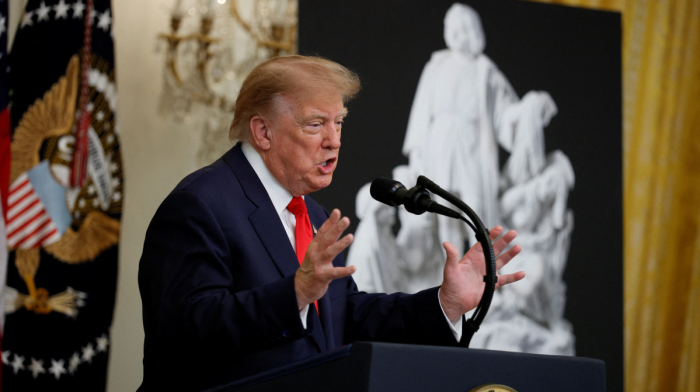
U.S. Secretary of State Marco Rubio said Washington is ready to pursue diplomacy with Iran as nuclear talks resume in Geneva, using a visit to Budapest on Monday (16 January) to reaffirm both U.S. negotiating aims and strong ties with Hungary ahead of its April election.
Geneva is set to host two sets of negotiations on Tuesday, with U.S. officials meeting Iranian representatives in the morning and a trilateral session on Ukraine scheduled for the afternoon. The talks aim to advance a resolution of Iran’s nuclear programme and a U.S.-brokered peace plan for Ukraine.
Iran’s Revolutionary Guards navy held military exercises in the Strait of Hormuz on Monday (16 February), state-linked media reported. The drill took place a day before renewed nuclear negotiations between Tehran and Washington in Geneva.
A man accused of carrying out Australia’s deadliest mass shooting in nearly three decades appeared briefly in a Sydney court on Monday (16 February), facing terrorism and murder charges over the 14 December attack on a Jewish Hanukkah celebration at Bondi Beach that left 15 people dead.
The 2026 Munich Security Conference (MSC) unfolded over three intense days in Munich, confronting a defining question of our era: has the post-Second World War international order collapsed - and if so, what will replace it?
You can download the AnewZ application from Play Store and the App Store.
What is your opinion on this topic?
Leave the first comment