Oscars 2026 nominations announced: 'Sinners' breaks record with 16 nods
The Academy Awards nominations have been announced, with the crime drama Sinners leading the race securing a record 16 nominations ahe...
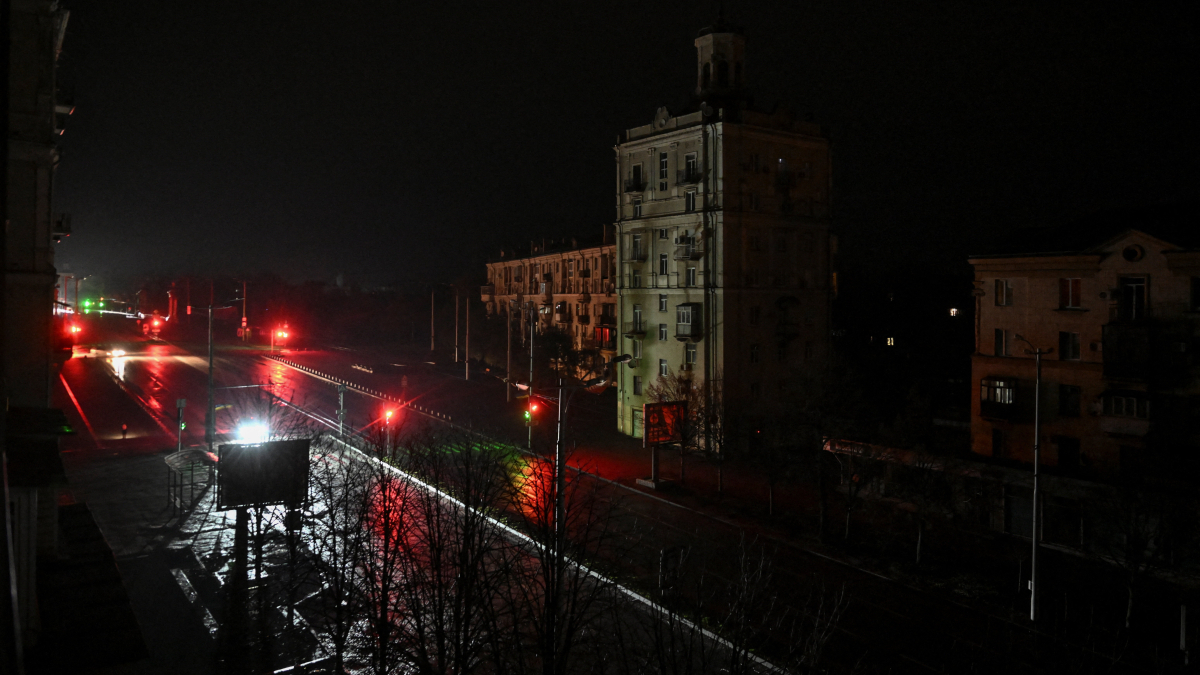
Russian attacks late on Wednesday (7 January) left almost all of Dnipropetrovsk and Zaporizhzhia regions without electricity, Ukrainian authorities said, amid freezing temperatures and worsening winter conditions.
Hospitals, water facilities and other critical infrastructure were operating on reserve power, with emergency crews working through the night to restore electricity, water and heating, the Ukrainian Energy Ministry said in a statement on Telegram.
Deputy Prime Minister Oleksiy Kuleba said repairs were being carried out in an “intensified manner” in Dnipropetrovsk while ensuring the safety of staff.
In Zaporizhzhia, authorities relied on alternative power sources to maintain water supplies.
Prime Minister Yulia Svyrydenko warned that temperatures were set to fall to minus 20 degrees Celsius (minus 4 Fahrenheit) overnight, which could compound disruptions to power and heating.
“Ukraine’s energy system is under enemy attacks every day, and energy workers are operating in extremely difficult conditions to provide people with light and heat,” she wrote on Telegram.
Public broadcaster Suspilne reported widespread outages in the city of Dnipro, where the metro had stopped running, and in other areas of the region. Schools have extended their holidays by two days as power restoration continues.
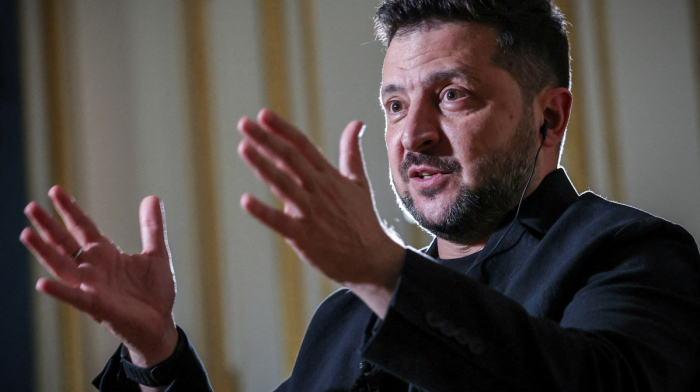
Oleksandr Vilkul, head of the military administration in Kryvyi Rih, President Volodymyr Zelenskyy’s home city, said conditions were particularly difficult in two districts where crews were restoring electricity. Generators were being deployed where possible, he added.
Ukrainian Railways said trains and signalling systems in the affected regions had switched to reserve systems, with stations operating using backup generators.
Zaporizhzhia Regional Governor Ivan Fedorov said the blackout had affected air raid sirens, though electricity had been restored at “key facilities.” He urged residents to limit use of mobile networks operating in emergency mode.
Russian authorities have not issued a specific response to the latest outages, but state‑linked commentary and official media generally frame strikes on Ukrainian energy infrastructure as part of their ongoing military campaign.
Analysts note that Moscow’s forces have repeatedly targeted Ukraine’s energy system throughout the conflict, a tactic Russian defence commentators characterise as aimed at degrading Kyiv’s war‑fighting capacity and forcing Kyiv to divert resources, even as Ukrainian officials condemn the strikes as attacks on civilians.

Israeli Prime Minister Benjamin Netanyahu issued veiled threats to Iran’s new Supreme Leader, Mojtaba Khamenei, and Hezbollah on Thursday (12 March), during his first press conference since the conflict with Iran began.
Israel and Iran continued to exchange strikes on Friday (13 March), as the U.S. and French militaries reported deaths in Iraq, and the U.N. launched a $325 million appeal to help Lebanon, where a seventh of the population have left their homes since fighting began.
A long-running investigation has suggested that the street artist known as Banksy may be legally named David Jones. A report indicates that Jones was previously known as Robin Gunningham, a name long associated with Banksy, before legally changing his name several years ago.
A widening conflict involving Iran, the United States and Israel has triggered escalating military strikes across the Middle East, disrupted shipping through the strategic Strait of Hormuz and raised concerns over global energy supplies. This live report tracks the latest developments.
Ayman Ghazali, a 41-year-old U.S. citizen born in Lebanon, crashed his truck into the hallway of a Detroit-area synagogue on Thursday (12 March) while children attended preschool. Security personnel shot him dead during the confrontation, and authorities said no one else was seriously injured.
Kremlin spokesman Dmitry Peskov said on Saturday (14 March) that many countries are interested in purchasing Russian oil after the United States temporarily eased sanctions on certain exports.
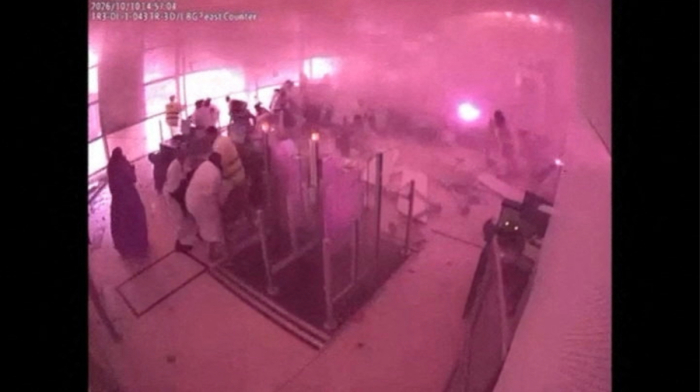
An explosion lightly damaged a Jewish school in Amsterdam early on Saturday (14 March) in what the city’s mayor described as “a deliberate attack against the Jewish community.”
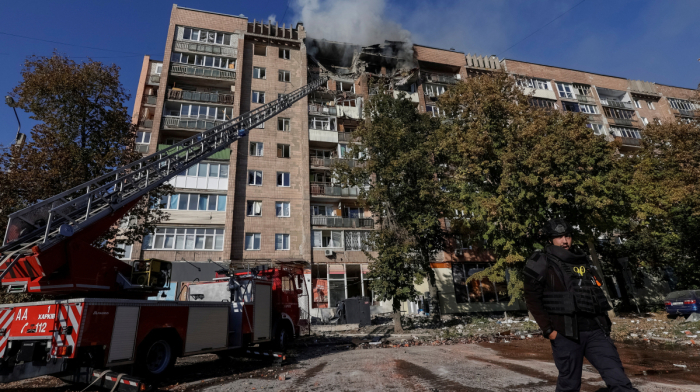
Ukrainian drones struck an oil refinery and a key port in Russia’s southern Krasnodar region overnight (13-14 March), local authorities said, causing injuries and damage. In separate action, Russian air attacks on Ukrainian territory killed and wounded civilians near Kyiv, officials reported.
Start your day informed with AnewZ Morning Brief. Here are the top news stories for the 13rd of March, covering the latest developments you need to know.
North Korea fired what appeared to be a ballistic missile on Saturday (14 March), Japanese and South Korean officials said. The development comes amid the joint annual U.S.-South Korea "Freedom Shield" military drills and South Korean Prime Minister Kim Min-seok's visit to Washington.
You can download the AnewZ application from Play Store and the App Store.
What is your opinion on this topic?
Leave the first comment