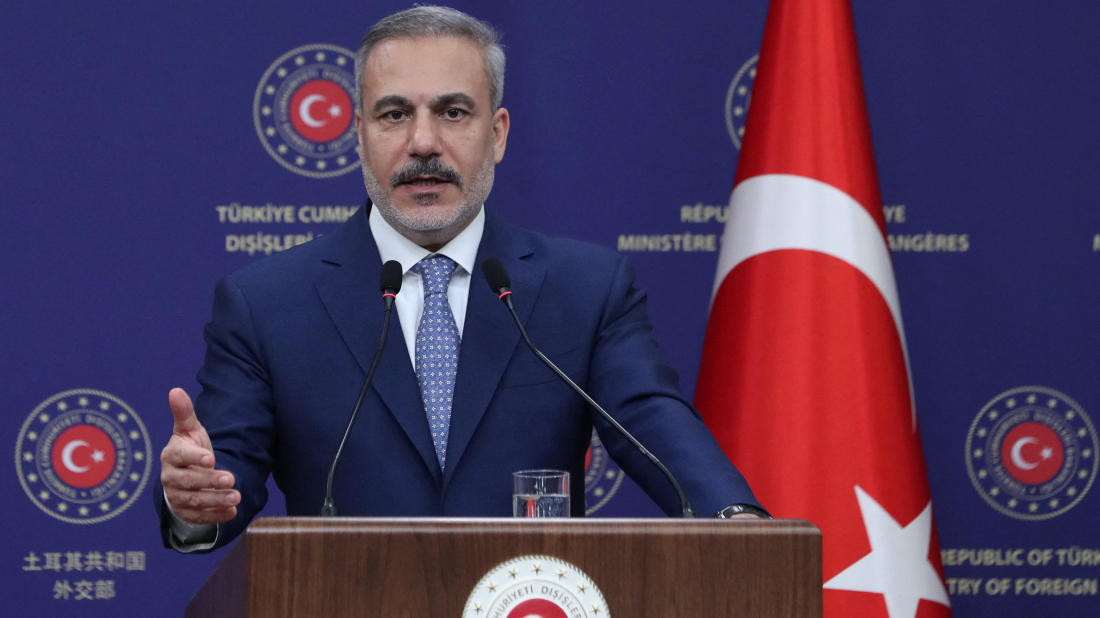
Turkish Foreign Minister Hakan Fidan says international cooperation is essential for Syria’s recovery as investment slowly begins to return despite the scale of destruction after years of conflict.
Speaking to a local television channel on Saturday, Fidan said joint efforts by regional countries, along with European and U.S. partners, are helping lay the groundwork for Syria’s reconstruction, even as major challenges remain.
“Investments in Syria are gradually starting to take shape, but the scale of destruction is enormous,” Fidan said, adding that returning Syrians need infrastructure and access to basic services in order to rebuild their lives.
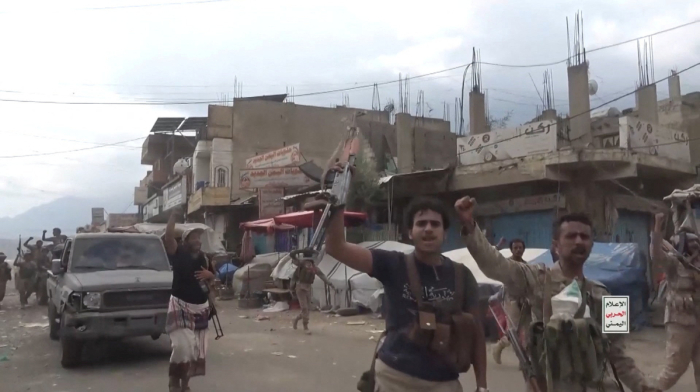
Responding to criticism from Europe and the U.S. that the current administration does not fully control the country, Fidan said Türkiye believes overall control has largely been established, although some problem areas persist. He pointed to regions under the control of the Syrian Democratic Forces, saying unresolved issues there should be addressed within the framework of the 10 March agreement aimed at integrating the SDF into state institutions.
Fidan said the SDF should stop delaying the process by citing the threat of ISIS or other justifications, stressing that the issue goes beyond Syria’s internal security. He said the groups are extensions of the PKK and noted that Türkiye expects the impact of the PKK’s decision to dissolve to be reflected beyond its own borders.
Asked whether Israel was emboldening the SDF, Fidan said it was, describing it as an ongoing development. He also warned that southern Syria remains a major area of concern, saying Israeli involvement increases risks and requires close monitoring, particularly as Israeli military incursions have become more frequent since the overthrow of Bashar Assad last December.
Fidan said Türkiye is already carrying out projects in Syria and underlined the strong geographic and economic ties between the two countries. He said there is significant potential for trade, transportation and connectivity once stability is restored.
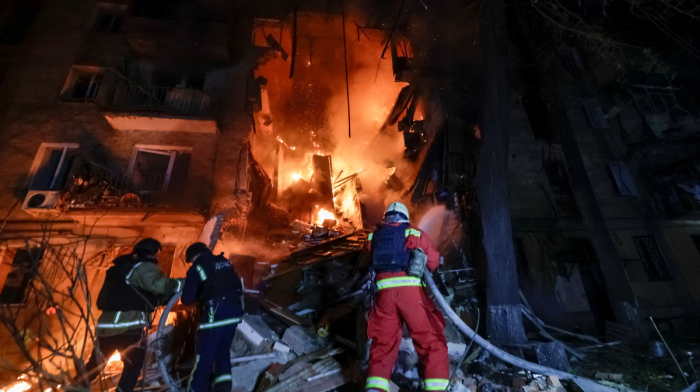
Turning to Ukraine, Fidan said he had spoken by phone with U.S. President Donald Trump’s Special Envoy Steve Witkoff, discussing Gaza and developments in the Ukraine conflict.
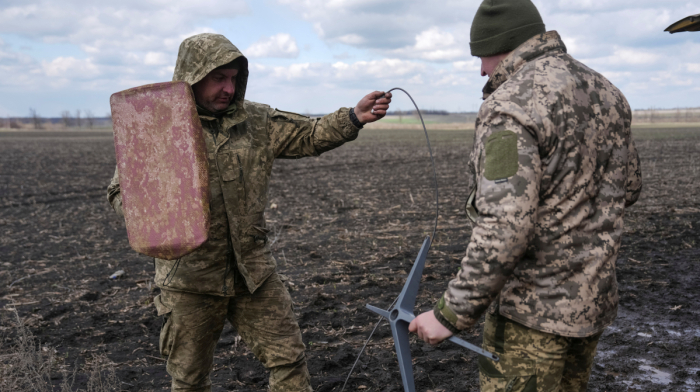
He said the future status of territory in the Donbas region remains a central issue, with Moscow and Kyiv holding differing positions. According to Fidan, some elements of a potential agreement could eventually require elections or referendums due to their political sensitivity.
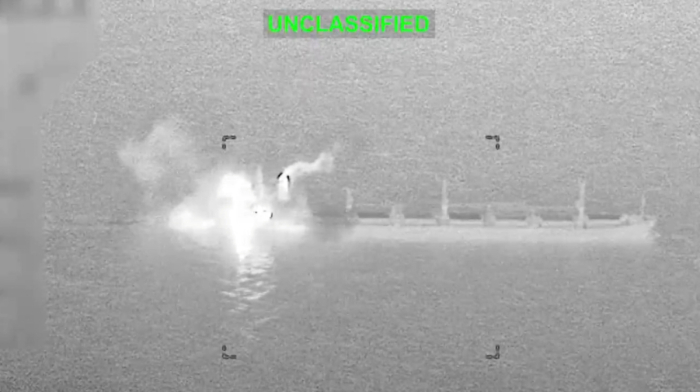
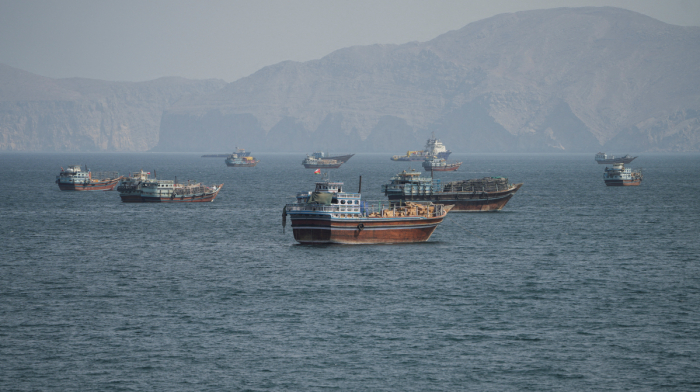
On Black Sea tensions, Fidan warned that recent attacks on commercial shipping risk escalation and threaten regional trade.
He said many vessels operating in the area are linked to Turkish companies and may carry Turkish crew members, though none have been injured so far.
Fidan said President Recep Tayyip Erdogan raised the issue in talks with Russian President Vladimir Putin and renewed calls for at least a limited agreement if a comprehensive ceasefire cannot be reached.
He said such an arrangement should prevent attacks on energy infrastructure and ensure the safety of commercial navigation, noting that the previous grain deal had demonstrated that similar mechanisms can work.










What is your opinion on this topic?
Leave the first comment