Six die in Swiss bus fire as authorities investigate possible 'deliberate act'
At least six people have died after a bus caught fire in Kerzers, Switzerland, in what police say may have been a deliberate act. Witnesses reporte...
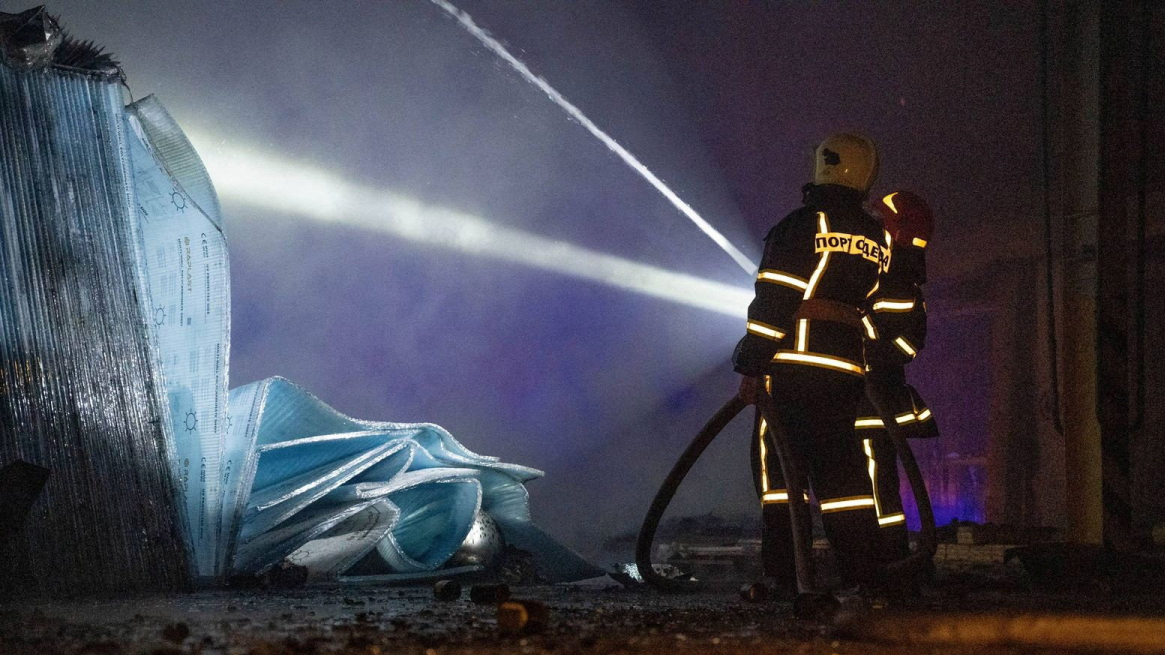
Russian forces struck Ukraine’s southern port city of Odesa for a second consecutive day on Saturday (13 December), deploying Kinzhal hypersonic missiles for the first time in the conflict, Ukrainian authorities said.
The State Emergency Service of Ukraine reported that four people were wounded and that energy infrastructure, administrative buildings and port facilities were damaged. The strike caused a blackout in Odesa and surrounding regions, cutting power, heating and water supplies, while ten substations were disabled across the Odesa region. Critical infrastructure in nearby Mykolaiv, Kirovohrad and Kherson regions was also affected, leaving some settlements without electricity.
The Russian Defence Ministry confirmed launching Kinzhal missiles against multiple Ukrainian targets but did not specify locations. Moscow described the attacks as retaliation for alleged Ukrainian strikes on civilian sites in Russia.
The attacks followed Friday’s strike on a Turkish-owned bulk carrier near Chornomorsk Port in Odesa Oblast. The vessel, carrying essential food supplies, caught fire after a ballistic missile hit, but no crew members were injured. Türkiye’s Foreign Ministry confirmed that Turkish nationals were unharmed and reiterated concerns over maritime security in the Black Sea.
The assaults come amid heightened tensions over Ukraine’s use of maritime drones targeting Russian oil shipments and ports, and after Russian President Vladimir Putin previously threatened reprisals against Ukraine’s Black Sea infrastructure.

Tensions in the region remained high on Tuesday (10 March), as the United States and Iran exchanged increasingly sharp warnings, including threats over the strategic Strait of Hormuz, a critical artery for global oil supplies.
China has urged Afghanistan and Pakistan to resolve their dispute through dialogue after Chinese envoy Yue Xiaoyong met Afghan Foreign Minister Amir Khan Muttaqi, as fighting between the two neighbours entered its eleventh day.
Entry and exit across the state border between Azerbaijan and Iran for all types of cargo vehicles, including those in transit, will resume on 9 March, according to a statement by the Cabinet of Ministers of Azerbaijan.
Iranian civilian and military officials have pledged their obedience to the new leader, Ayatollah Seyed Mojtaba Khamenei, with President Masoud Pezeshkian saying his leadership “will herald a new era of dignity and authority for the Iranian nation.”.
Kazakhstan has evacuated more than 7,300 citizens from the Middle East since regional tensions escalated, using both air and land routes to bring nationals home while closely monitoring political developments and potential economic effects linked to rising oil prices.
At least six people have died after a bus caught fire in Kerzers, Switzerland, in what police say may have been a deliberate act. Witnesses reported a man inside the vehicle set himself alight. Three others were injured and taken to hospital, while authorities continue their investigation.
Start your day informed with AnewZ Morning Brief. Here are the top news stories for the 11th of March, covering the latest developments you need to know.
Iran and Israel continue to exchange missile and drone strikes across the Middle East - all the latest updates throughout the day on AnewZ
U.S. Ambassador to the United Nations, Mike Waltz, has addressed the U.N. Security Council, saying the world must consider how effective its engagement with the Taliban-run country is as millions face hunger.
British MPs have rejected a proposal to introduce an Australia-style ban on social media for under-16s, opting instead to give ministers flexible powers to impose restrictions on platforms.
You can download the AnewZ application from Play Store and the App Store.
What is your opinion on this topic?
Leave the first comment