The United Kingdom may be overstating its influence in efforts to end the war in Ukraine, according to John Kavulich, senior editor at Issue Insight.
Speaking to Anewz, Kavulich warned that Prime Minister Keir Starmer could be facing mounting political risks as London seeks to position itself at the centre of European diplomatic efforts.
Kavulich, said that the Russian government has become “obsessed” with the UK’s role in the conflict and routinely portrays London as a major barrier to any potential settlement. He noted that in Russian political circles, Starmer, along with British intelligence services MI6 and MI5, is frequently cited as one of the key actors preventing progress toward a ceasefire.
“They believe Starmer and every alphabet in the UK government lexicon is an obstacle,” he said, adding that Moscow is “hammering” this message consistently.
According to Kavulich, this narrative may be strategic. By elevating the UK’s significance, Russia could be attempting to push Britain into a more aggressive posture, including increased spending and stronger commitments to Kyiv, which would carry political costs for the new Labour government.
UK steps up as Europe pushes for coordinated messaging
London has hosted European leaders this week — including France’s Emmanuel Macron, Germany’s Friedrich Merz, and Ukraine’s Volodymyr Zelenskyy — for talks aimed at aligning positions before a forthcoming U.S. discussion on Ukraine.
The meeting resulted in a call to tighten economic pressure on Russia and move forward with a joint European–Ukrainian peace proposal, which is expected to be reviewed by Washington in the coming weeks. Zelenskyy described the talks as “small progress,” though officials acknowledged that core issues — particularly occupied territory — remain unresolved.
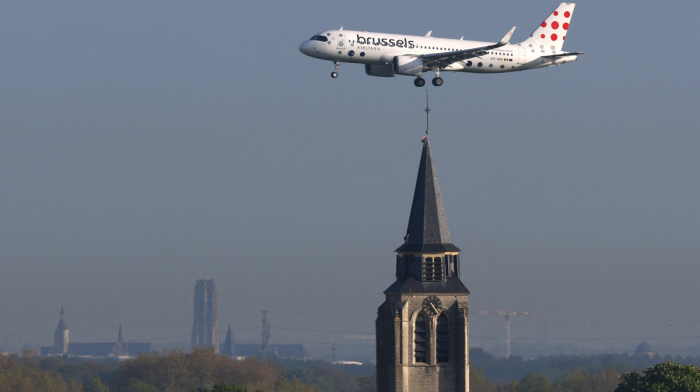
Meanwhile, European Union members continue debating the use of frozen Russian assets, with several states backing the idea of a loan to Ukraine backed by future profits. Belgium has expressed hesitation, slowing the process.
Moscow calls the move "theft" and says it would prompt the "harshest response."
Legacy of influence that may no longer reflect reality
Despite the UK’s highly visible diplomatic push, Kavulich questioned whether London’s current influence matches its ambitions.
“Britain once had considerable soft power,” he said. “I’m not sure they’re in a similar place now.”
He argued that while the UK remains an important voice, much of the decisive leverage over the conflict lies with Washington, Brussels and Kyiv. The United States continues to shape military support, the EU controls the financial framework, and Ukraine maintains the core negotiating red lines.
Pressure at home as Starmer seeks international stature
For Starmer, the effort to play a prominent international role comes at a politically sensitive time. His government faces domestic pressure over the economy, defence resources, and public services. Kavulich warned that increased spending or deeper involvement in Ukraine could create vulnerabilities for Labour.
“The more he devotes to Ukraine — not just attention, but money — the more risk he carries at home,” he said.
Diplomatic gamble with uncertain payoff
As Europe prepares for another round of consultations ahead of expected U.S. talks, the UK continues attempting to reassert itself as a key coordinator on Ukraine policy. But analysts say London’s prominence in the public arena does not necessarily translate into decisive influence over the conflict’s future.
Kavulich’s assessment suggests that the UK may be in danger of overplaying its hand — and that the political consequences could emerge sooner than expected.














What is your opinion on this topic?
Leave the first comment