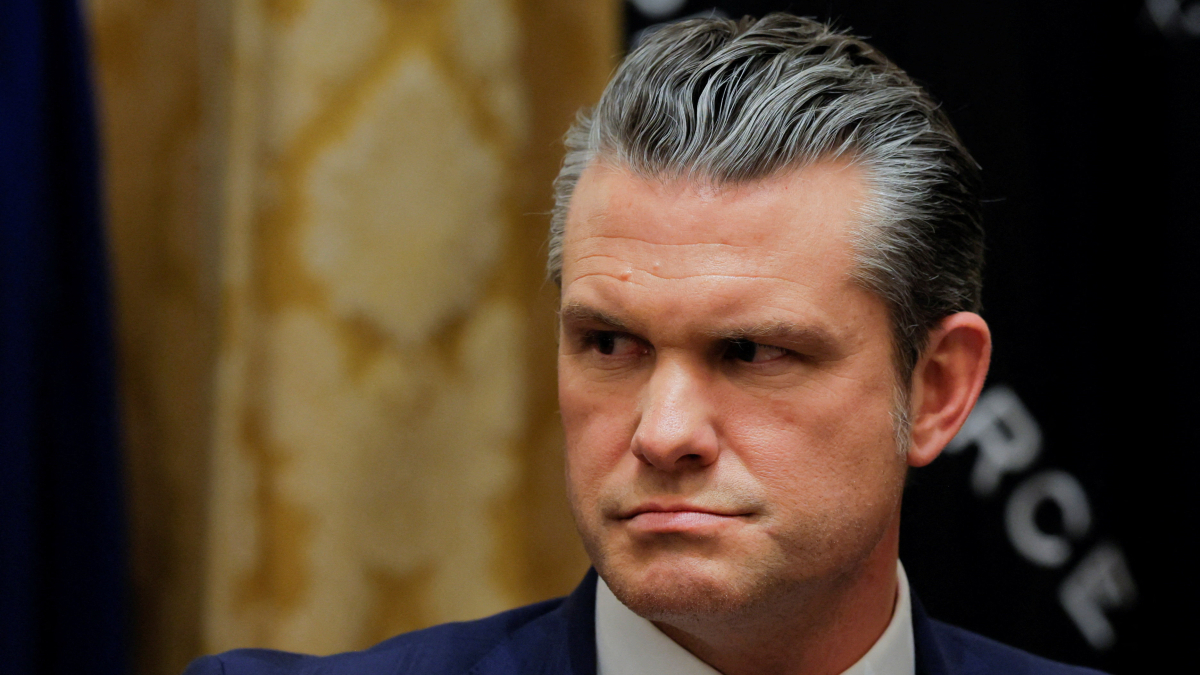
A Pentagon investigation has raised concerns over U.S. Defense Secretary Pete Hegseth’s use of the Signal app on his personal device to transmit sensitive information regarding planned U.S. strikes in Yemen, potentially compromising U.S. military operations.
The Pentagon’s independent Inspector General (IG) found that Hegseth’s actions could have endangered U.S. troops if the information had been intercepted. However, the report did not determine whether the information shared by Hegseth was classified at the time, acknowledging that as the head of the Pentagon, Hegseth has the authority to decide what is classified and what is not.
The report is expected to be released publicly later this week.
In a statement, the Pentagon emphasised that the investigation had been resolved, and Pentagon spokesperson Sean Parnell added that the case was now closed.
“This matter is resolved, and the case is closed,” Parnell said, dismissing concerns about Hegseth’s actions.
The investigation into Hegseth comes at a time of increased scrutiny regarding his oversight of U.S. military actions. The former Fox News host has faced rising legal concerns over his leadership in U.S. strikes against suspected drug-smuggling vessels in the Caribbean, which have raised alarm over potential breaches of international law.
The focus on Hegseth intensified after details of his discussions about U.S. attacks on Yemen’s Houthi rebels surfaced. On 15 March, Hegseth shared sensitive information about a U.S. strike targeting Houthi militants with top national security officials in President Donald Trump’s administration, including an accidental message to Jeffrey Goldberg, editor-in-chief of The Atlantic.
Goldberg later revealed the details of the conversation in an article, which included screenshots of text messages between Hegseth and other Trump administration officials. The messages contained specifics about a planned military operation, including plans to target a Houthi militant leader just two hours before the strike.
The Inspector General’s report stated that the information shared by Hegseth was classified at the time and warned that it could have put U.S. military personnel and the operation itself at risk had it been intercepted. The timing and targeting details discussed in the messages are considered some of the most sensitive information in military operations, as disclosing such information in advance could allow adversaries to take countermeasures, including fleeing to more populated or harder-to-target areas. This could have resulted in increased civilian casualties or hindered the success of the mission.
Hegseth, however, denied that he had shared classified information, asserting that he had only communicated details that he believed posed no risk to the operation. He also maintained that he had the authority to declassify information as he saw fit, given his position.
While Hegseth’s actions raised alarm, he has accused the investigation of being politically motivated, arguing that it was driven by opponents within the political establishment. Despite his objections, the investigation was requested by both Republican and Democratic lawmakers, reflecting bipartisan concern over the handling of sensitive military communications.













What is your opinion on this topic?
Leave the first comment