The White House has defended a U.S. admiral's decision to conduct multiple strikes on an alleged Venezuelan drug-smuggling vessel in September, saying he had Defence Secretary Pete Hegseth's authorisation, even as critics questioned the legality of a strike on survivors.
The Washington Post had reported that a second strike was ordered to kill two survivors from the initial strike and to comply with an order by Hegseth that everyone be killed.
President Donald Trump said on Sunday that he would not have wanted a second strike on the boat and said Hegseth denied giving such an order.
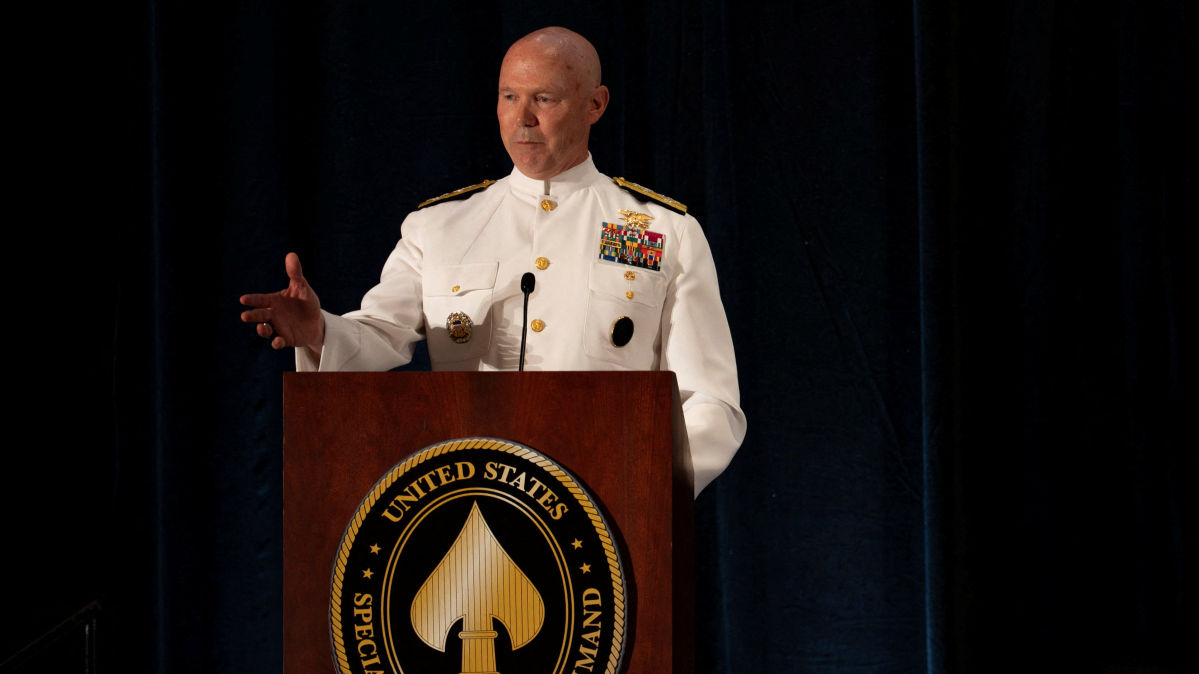
But White House spokeswoman Karoline Leavitt said on Monday that Hegseth had authorised Admiral Frank Bradley to conduct the strikes on 2 September.
"Secretary Hegseth authorised Admiral Bradley to conduct these kinetic strikes. Admiral Bradley worked well within his authority and the law directing the engagement to ensure the boat was destroyed and the threat to the United States of America was eliminated," Leavitt said.
Leavitt said the strike was conducted in "self defence" to protect U.S. interests, took place in international waters and was in line with the law of armed conflict.
Starting in September, the U.S. military has carried out at least 19 strikes against suspected drug vessels in the Caribbean and off the Pacific coasts of Latin America, killing at least 76 people.
Critics have questioned the legality of the strikes, and both Republican and Democratic lawmakers have pledged to look into them.
Trump has flagged the possibility of U.S. military intervention in Venezuela. On Saturday, he said the airspace above and surrounding Venezuela should be considered "closed in its entirety," but gave no further details, stirring anxiety and confusion in Caracas.
Trump confirmed on Sunday that he had spoken to Venezuelan President Nicolas Maduro, whom the U.S. considers an illegitimate leader, but Trump declined to provide details of the conversation.










What is your opinion on this topic?
Leave the first comment