live U.S. and Iran trade threats as World focus' on reopening Strait of Hormuz - Middle East conflict on 3 April
Iran has rejected claims it has been weakened, vowing instead “more crushing” attacks against the United States and ...
Venezuela is facing mounting diplomatic and economic isolation as regional governments, airlines and international bodies react to escalating tensions between Caracas and Washington.
The latest dispute erupted after U.S. President Donald Trump declared Venezuela’s airspace “closed in its entirety,” a move Colombia condemned as a breach of international norms. Bogotá’s government warned the decision creates “unnecessary tension” and urged respect for regional sovereignty, while a leading Latin American think tank described the U.S. stance as a violation of international law.
Caracas, already strained by flight suspensions from major carriers, responded by reinforcing accusations that Washington is attempting to destabilise the country and seize control of its vast oil reserves. President Nicolás Maduro’s government has filed a formal complaint to OPEC, warning that U.S. military deployments in the Caribbean threaten both national sovereignty and global oil market stability.
Inside Venezuela, the National Assembly announced a special commission to investigate alleged “extrajudicial executions” linked to recent U.S. strikes on suspected drug-trafficking boats. Lawmakers say they will push for involvement from the Attorney General’s Office and demand action from international legal bodies.
The rising diplomatic fallout adds further pressure on an economy weakened by low oil output, inflation, chronic shortages and the growing exodus of Venezuelans seeking to leave the country.

Fears of wider escalation grow despite President Donald Trump saying U.S. strikes on Iran could end within weeks. Meanwhile missile attacks, tanker incidents and rising casualties across Israel, Lebanon and the Gulf heighten risks to regional stability and energy routes.
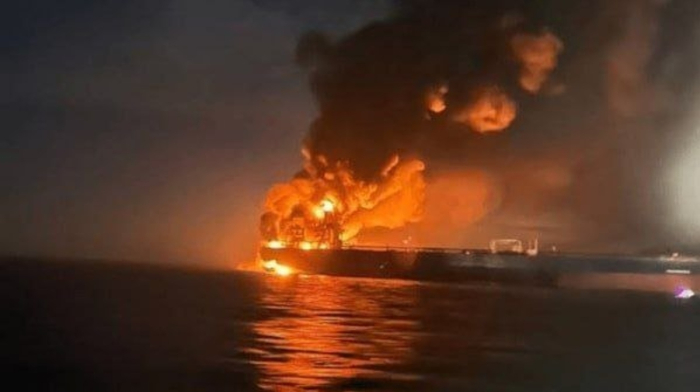
There are fears of an oil spill after a drone strike hit a Kuwaiti oil tanker near Dubai on Tuesday, while U.S.-Israeli strikes in Iran reportedly killed at least two people. A loud explosion was heard in Beirut in southern Lebanon early Wednesday, as oil prices climbed above $100 a barrel.
Four astronauts blasted off from Florida on Wednesday on NASA's Artemis II mission, a high-stakes voyage around the moon that marks the United States' boldest step yet toward returning humans to the lunar surface later this decade in a race with China.
An earthquake of magnitude 7.6 struck in Indonesia's Northern Molucca Sea on Thursday, killing one person, damaging some buildings and triggering tsunami waves, authorities and witnesses said.
President Donald Trump staunchly defended his handling of the month-old U.S.-Israeli war on Iran in a prime-time address on Wednesday, saying the U.S. military was nearing completion of its mission while also reinforcing his threats to bomb the Islamic Republic back to the Stone Age.
France and South Korea have agreed to strengthen defence ties and energy security cooperation following a two-day visit by French President Emmanuel Macron to Seoul.
In a highly unusual move highlighting shifting narcotics diplomacy, the U.S. has handed over a Chinese fugitive accused of serious drug crimes to authorities in Beijing.
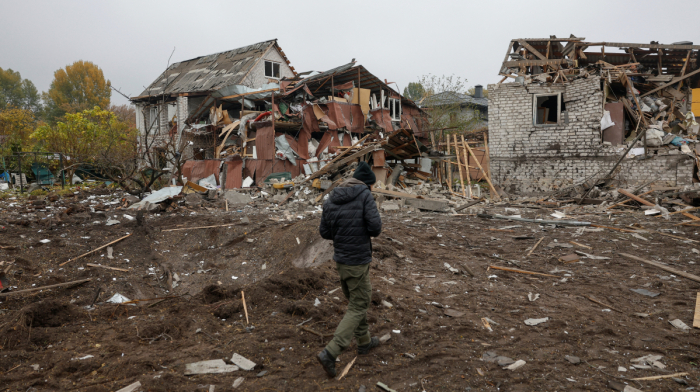
Russian forces launched a day-long barrage of drone strikes on Ukraine’s second-largest city on Thursday (2 April), injuring at least two people and sparking fires across several districts, local officials said.
Start your day informed with the AnewZ Morning Brief. Here are the top stories for 3 April, covering the latest developments you need to know
The 2026 World Cup final is setting new records for sports ticketing costs, characterised by unprecedented price hikes and the debut of controversial sales models.
You can download the AnewZ application from Play Store and the App Store.
What is your opinion on this topic?
Leave the first comment