Shooting at South African bar leaves 11 dead
At least 11 people, including a three-year-old boy, were killed when gunfire erupted at an illegal bar in Pretoria, with police launching a manhunt fo...
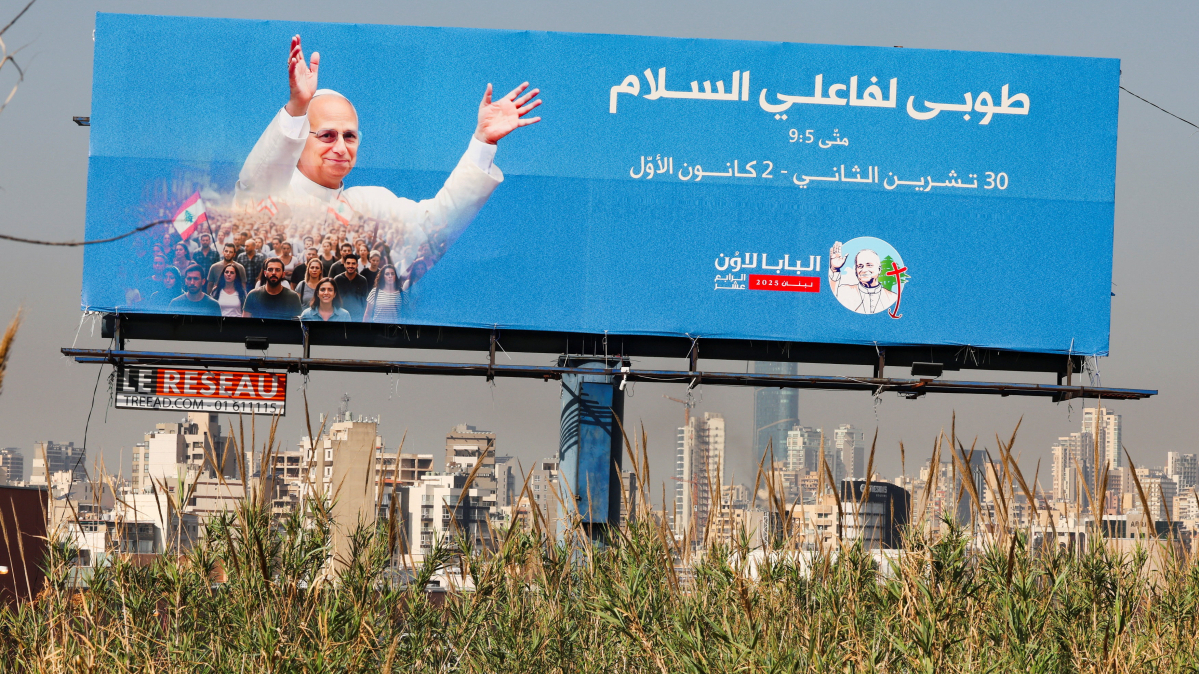
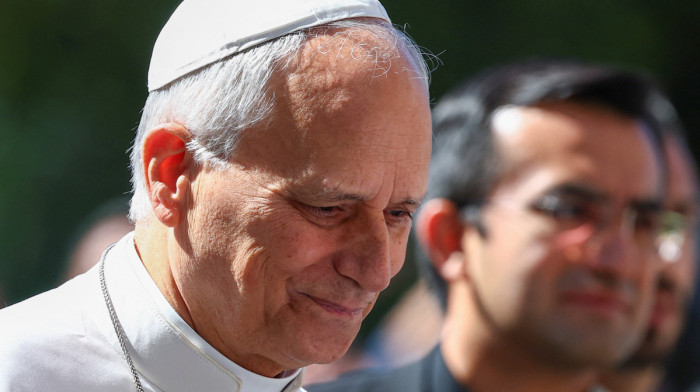
Pope Leo travels to Lebanon on Sunday to deliver an appeal for peace in a country repeatedly struck by Israeli air raids, completing the second and final leg of his first overseas trip as head of the Catholic Church.
The first U.S. pope arrives from Türkiye, where he spent four days warning that humanity’s future is in danger because of the world’s growing number of violent conflicts and condemning all acts of religiously motivated violence.
Leo is set to land at Beirut’s Hariri International Airport at 3:45 p.m. (1345 GMT). He will meet the president and prime minister before addressing national leaders, marking his second speech to a foreign government.
Lebanon, home to the Middle East’s largest Christian community, has been shaken by the fallout of the Gaza conflict as Israel and Hezbollah fought a war that led to a major Israeli offensive.
Lebanese leaders – already coping with 1 million Syrian and Palestinian refugees and a deep economic crisis – fear Israel may sharply intensify its attacks in the coming months.
Hezbollah leader Naim Qassem said on Friday he hoped the visit would help end Israeli strikes. Lebanon’s diverse communities have also welcomed the trip, with Druze cleric Sheikh Sami Abi al-Muna saying the country “needs the glimmer of hope represented by this visit”.
Pope to visit five Lebanese cities and towns
Leo, little known internationally before his election in May, is drawing close attention as he delivers his first speeches abroad and meets people outside mainly Catholic Italy.
On Saturday, he visited Istanbul’s Blue Mosque, his first visit to a Muslim place of worship as pope. He removed his shoes as a sign of respect but did not pray as planned, surprising Vatican officials.
The 70-year-old pope has a packed schedule in Lebanon, travelling to five cities and towns from Sunday to Tuesday, when he returns to Rome. He will not visit the south, where Israeli strikes have hit.
His programme includes a prayer at the site of the 2020 Beirut port explosion, which killed 200 people and caused billions of dollars in damage.
He will also lead an outdoor Mass on the Beirut waterfront and visit a psychiatric hospital, one of Lebanon’s few mental health facilities, where staff and residents are eagerly awaiting him.

The 2026 FIFA World Cup draw at the Kennedy Center in Washington, D.C., has finalized the group stage for the tournament co-hosted by the U.S., Canada, and Mexico, setting the schedule and matchups for next summer’s expanded 48-team event.
Israel was cleared on Thursday to participate in the 2026 Eurovision Song Contest, a decision made by the organisers, the European Broadcasting Union (EBU), which sparked a major controversy.
Pakistan and Afghanistan exchanged heavy fire along their shared border late on Friday, a reminder of how sensitive the frontier remains despite ongoing diplomatic efforts.
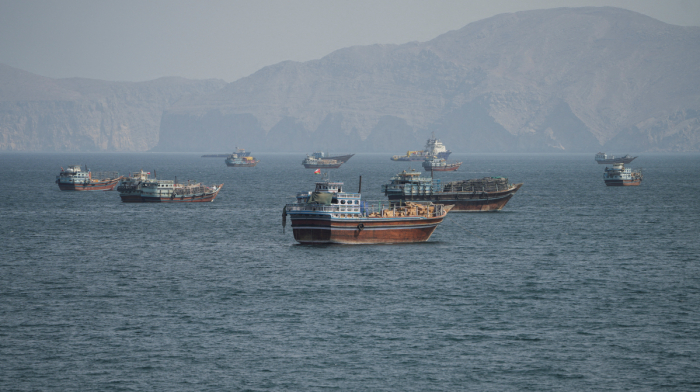
Iran’s Foreign Ministry has strongly condemned the Gulf Cooperation Council (GCC) for its support of the claims by United Arab Emirates on three Iranian islands.
Chinese leader Xi Jinping accompanied French President Emmanuel Macron to Chengdu on Friday, a rare gesture seemingly reserved for the head of Europe's second-largest economy that highlights Beijing's focus on Paris in its ties with the European Union.
At least 11 people, including a three-year-old boy, were killed when gunfire erupted at an illegal bar in Pretoria, with police launching a manhunt for three unidentified suspects.
Qatar opened the Doha Forum with a stark warning that Gaza ceasefire talks have entered a critical moment, as officials said the current pause in fighting cannot yet be described as a lasting halt to hostilities.
Assistant to the President of the Republic of Azerbaijan, Hikmat Hajiyev, has highlighted Baku’s commitment to advancing long-term peace in the South Caucasus after taking part in a dedicated panel at the 23rd Doha Forum.
America's new National Security Strategy marks a sharp turn away from global policeman ambitions, revives a modern Monroe Doctrine in the Western Hemisphere and recasts China, Europe and long standing alliances through a bluntly transactional lens.
The European Union’s newly adopted Partnership Agenda with Armenia has prompted strong concern in Baku, where officials say several passages depart from factual accuracy and introduce political messages that could damage an already fragile negotiation environment.
You can download the AnewZ application from Play Store and the App Store.
What is your opinion on this topic?
Leave the first comment