Kazakhstan has called on Ukraine to stop striking the Black Sea terminal of the Caspian Pipeline Consortium (CPC) after a major drone attack forced a halt to exports and caused serious damage to loading equipment.
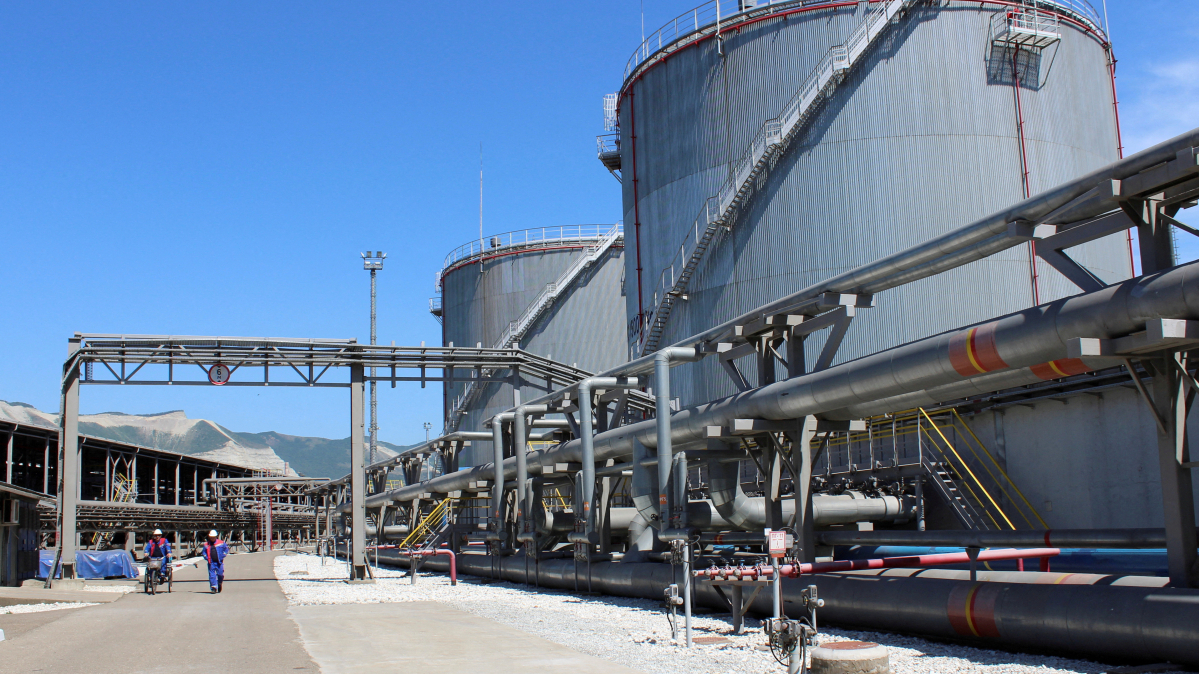
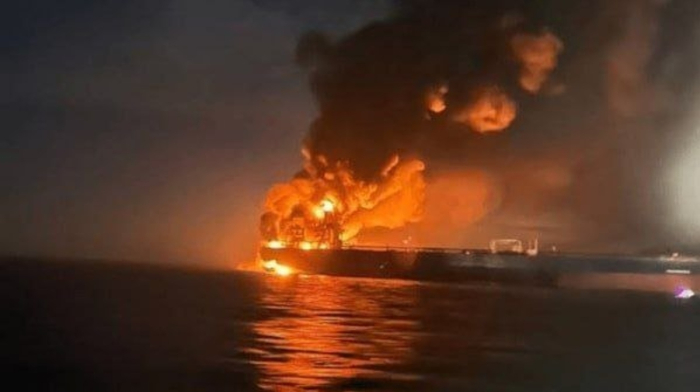
The CPC, which includes Russian, Kazakh and U.S. shareholders, suspended operations after a mooring point at its Russian terminal was heavily damaged by a Ukrainian naval drone. The terminal handles more than 1% of global oil supplies and is responsible for the bulk of Kazakhstan’s crude exports.
Ukraine has carried out repeated attacks this year on Russian oil infrastructure, including refineries and export terminals, in an effort to disrupt a key source of funding for Moscow’s war effort.
Kazakhstan’s foreign ministry said the latest strike was the third attack on what it described as “an exclusively civilian facility whose operation is safeguarded by norms of international law”.
Attack on critical infrastructure
In a strongly worded statement, the ministry said Kazakhstan “expresses its protest over yet another deliberate attack on the critical infrastructure of the international Caspian Pipeline Consortium in the waters of the Port of Novorossiysk”.
It warned that the incident risked damaging relations between Kazakhstan and Ukraine, adding: “We expect the Ukrainian side to take effective measures to prevent similar incidents in the future.”
Ukraine has not commented.
The CPC system carries about 80% of Kazakhstan’s oil exports. Last year the OPEC+ member shipped around 68.6 million tonnes of crude.
The pipeline transports oil from Kazakhstan’s Tengiz, Karachaganak and Kashagan fields to the Yuzhnaya Ozereevka terminal near Novorossiysk, and also collects crude from some Russian producers.
Tankers withdrawn after damage
The 1,500 km pipeline is operated by a consortium that includes Russia, Kazakhstan’s state-owned KazMunayGas, and companies such as Chevron, Lukoil and ExxonMobil.
CPC said the 29 November attack “significantly damaged” Single-Point Mooring 2 – a floating buoy used to load oil onto tankers. It said the mooring could no longer operate and all loading activities had been suspended. Tankers were withdrawn from the CPC water area as a precaution.
“We believe that the attack on the CPC is an attack on the interests of the CPC member countries,” the consortium said.
Russia calls attacks terrorism
Ukraine says its long-range strikes on Russian infrastructure are legitimate acts of defence in a war it describes as an existential fight against Russian aggression, which has targeted its own energy sector ahead of winter.
Russian officials say the drone attacks amount to terrorism and accuse Western countries of supporting a hybrid war against Moscow by helping Kyiv identify targets.












What is your opinion on this topic?
Leave the first comment