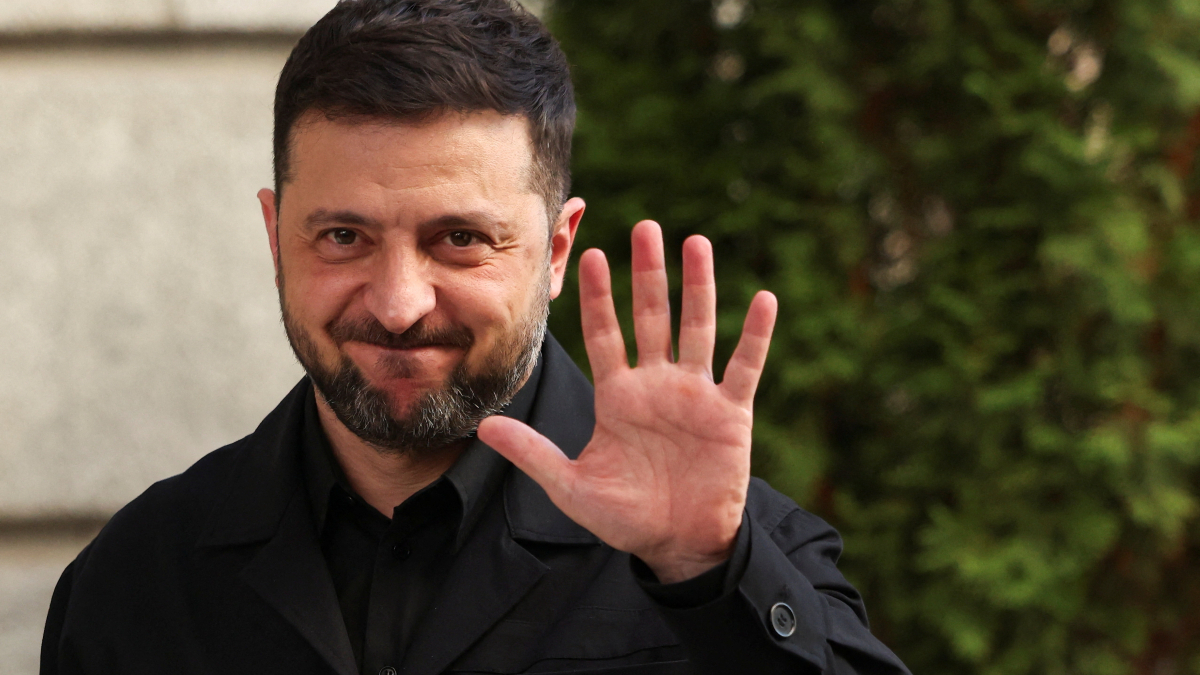
Ukrainian President Volodymyr Zelenskyy has agreed to work with the Trump administration on its new peace proposal for Ukraine and accepted what U.S. officials described as an “aggressive timeline” for signing the plan.
The development came during a meeting in Kyiv on Thursday between Zelenskyy and U.S. Army Secretary Dan Driscoll, who delivered a written copy of the proposal. The plan calls on Ukraine to accept far-reaching concessions — including transferring territory currently under Ukrainian control to Russia.
Despite the scale of the demands, Zelensky did not reject the proposal. Instead, his office confirmed he is prepared to begin negotiations and expects to discuss the matter with President Donald Trump in the coming days.
According to U.S. officials, Driscoll’s visit was initially intended to focus on military technology and strategy. However, the White House later instructed him to begin formalising negotiations on behalf of U.S. envoy Steve Witkoff and Secretary of State Marco Rubio.
A Ukrainian official told Axios the meeting marked a shift in tone after earlier discussions stalled.
“The decision is to try to work on it jointly to make peace possible,” the official said.
The proposal, drafted by Witkoff and other U.S. officials in consultation with Russian counterparts, has caused concern in Kyiv and across Europe since Axios first revealed its existence earlier in the week.
European governments were not consulted during its drafting, and Ukraine only became involved after extensive U.S.–Russia exchanges.
In calls with European leaders, Witkoff reportedly stressed that the framework remained flexible and input from allies would be considered.
A U.S. official said Witkoff told German Foreign Minister Johann Wadephul:
“If people don’t like certain parts of the plan, they should let us know and we will try to find a compromise.”
One of the most contentious elements includes limitations on the future size and capability of Ukraine’s armed forces, a condition seen as favourable to Moscow and previously rejected by Kyiv.
U.S. officials argued that the plan aims to create a sustainable post-war balance. Critics, however, say it risks undermining Ukraine’s security and rewarding Russian aggression.
The negotiations come as Zelensky faces mounting political pressure at home. A widening corruption scandal has implicated figures close to his administration, and opposition parties are demanding reforms or even a unity government.
Analysts are divided on whether this environment will make Zelensky more willing to compromise. Some believe instability could push him towards a negotiated settlement; others argue concessions could further weaken his position.
Zelensky is expected to brief his party’s members of parliament later today.
Driscoll and his delegation are scheduled to remain in Ukraine to meet defence industry representatives and senior military officials. The Trump administration has signalled it intends to move swiftly.

















What is your opinion on this topic?
Leave the first comment