Russia announced on Sunday that its forces had made significant advances in Ukraine’s southeastern Zaporizhzhia region, capturing two settlements as part of what it described as a broader offensive aimed at securing full control of the strategic territory.
According to the Russian Defence Ministry, troops took Rivnopillya and Mala Tokmachka, areas located along the front line where fighting has intensified in recent weeks. The ministry said the gains put the Ukrainian-held towns of Huliaipole and Orikhiv at risk of encirclement under potential two-pronged Russian operations.
Drone footage released by the ministry appeared to show Russian troops raising national and battalion flags near damaged buildings in Rivnopillya.
Reuters confirmed the location using satellite imagery and geographical markers but could not verify when the footage was recorded.
Ukraine has not issued an immediate response to Russia’s battlefield claims, and independent verification of the situation on the ground remains limited.
Battlefield shifts as strategic port comes under pressure
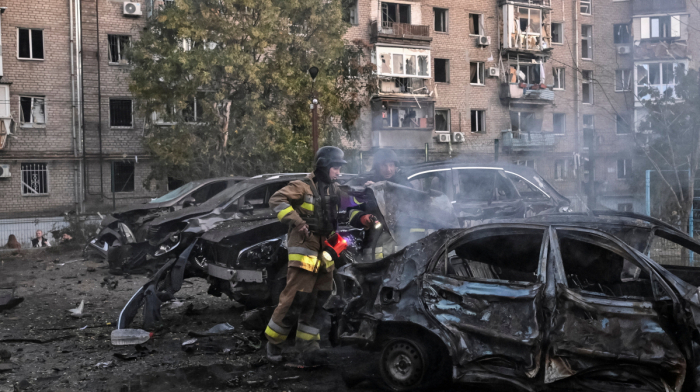
The reported gains come as Ukraine intensifies long-range strikes targeting Russia’s critical infrastructure—most notably along the Black Sea.
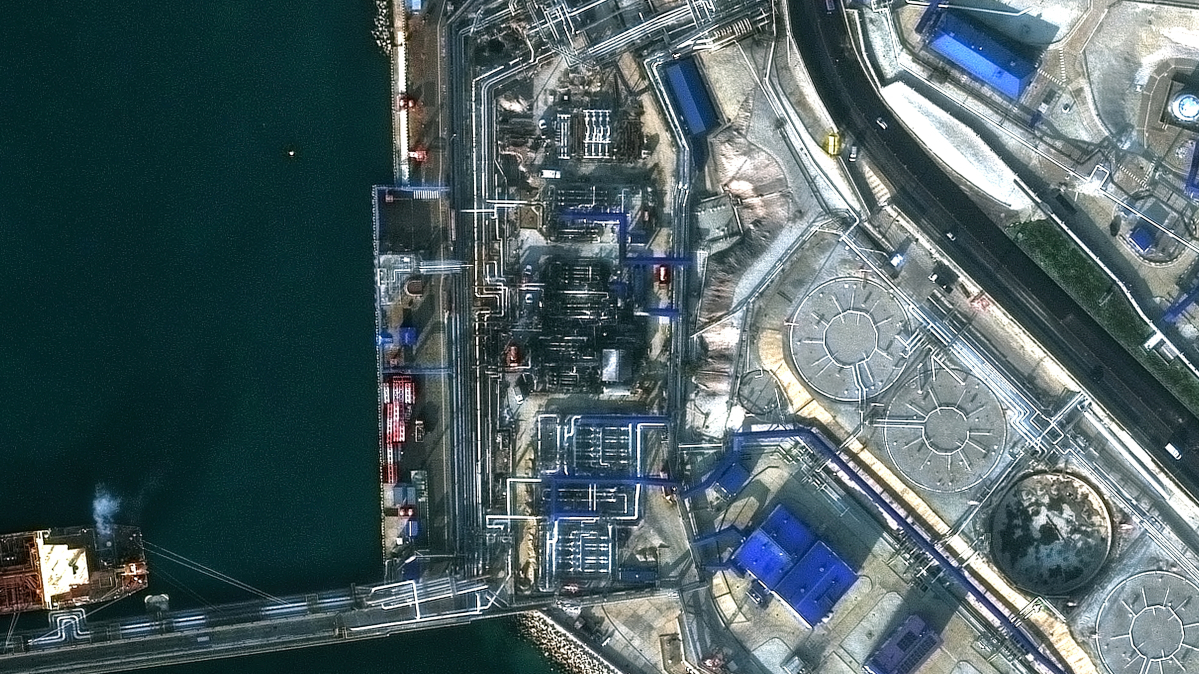
Satellite images released on Sunday showed the Russian port of Novorossiysk before and after a Ukrainian drone and missile attack earlier in the week.
Industry sources and shipping data from LSEG confirmed that the port resumed oil loading operations on Sunday following a two-day shutdown, triggered by Friday’s Ukrainian strike on a key oil terminal.
One of Ukraine’s most significant attacks on Russian energy export routes
The strike on Novorossiysk — Russia’s most important Black Sea export hub — marked one of Ukraine’s most damaging long-range attacks on Russian oil infrastructure to date.
The port handles around 20% of Russia’s total crude exports, including shipments routed from the Caspian Pipeline Consortium. A prolonged disruption would have forced Russia to halt production at oil fields in West Siberia, significantly reducing export capacity for the world’s second-largest oil exporter.
The attack underscores Ukraine’s evolving strategy: targeting Russia’s logistics, refineries, and energy-export infrastructure in an attempt to disrupt Moscow’s war financing and reduce its naval presence in the Black Sea.
Escalation continues with no signs of de-escalation
Both developments — Russia’s offensive push on the front lines and Ukraine’s targeted strike on critical infrastructure — highlight an escalation in the nearly three-year-long conflict, with neither side signalling readiness for negotiations.
For now, conditions remain dynamic.
Russia continues advancing in Zaporizhzhia;
Ukraine is increasing strikes deep inside Russian territory;
Infrastructure, energy supply routes, and military logistics are becoming primary targets for both sides.
As winter approaches and battlefield conditions shift, analysts warn that escalation in both the energy domain and front-line fighting is likely to continue.














What is your opinion on this topic?
Leave the first comment