Malaysian patrols scoured the Andaman Sea on Monday in search of dozens of members of Myanmar's persecuted Rohingya minority, following the sinking of a boat last week that was believed to be carrying them, with another vessel still unaccounted for.
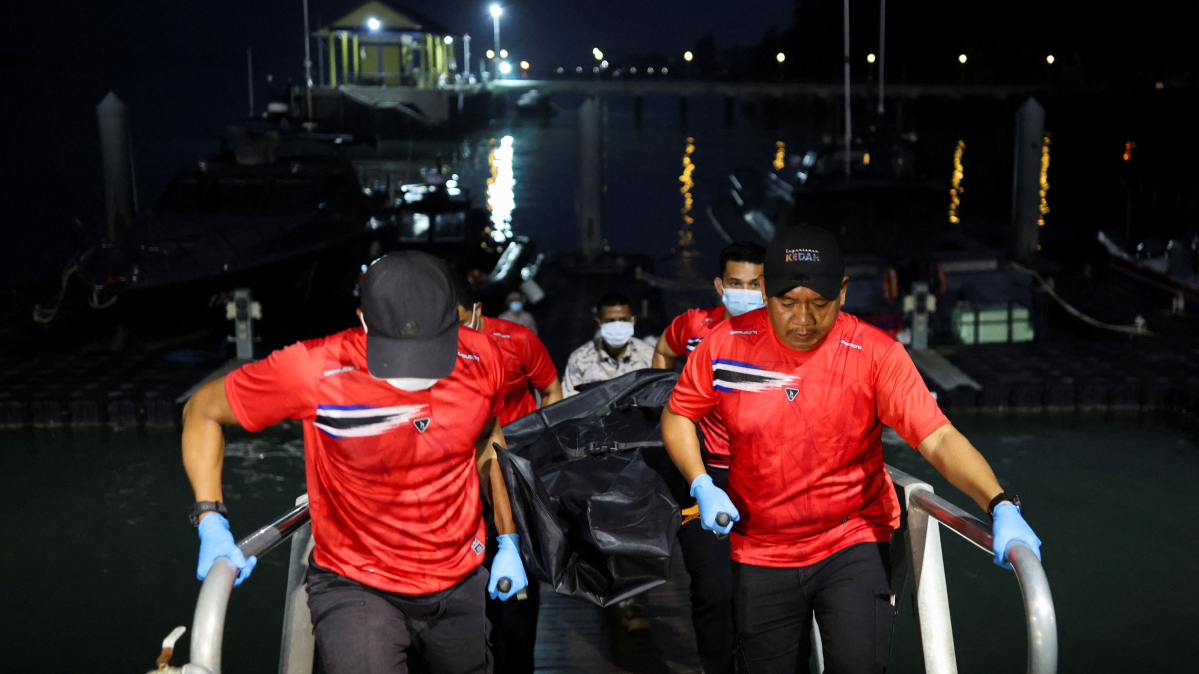
Since the boat went down on Thursday, at least 21 bodies have been discovered – 12 in Malaysia and 9 in neighbouring Thailand, said Romli Mustafa, the regional head of Malaysia’s maritime agency.
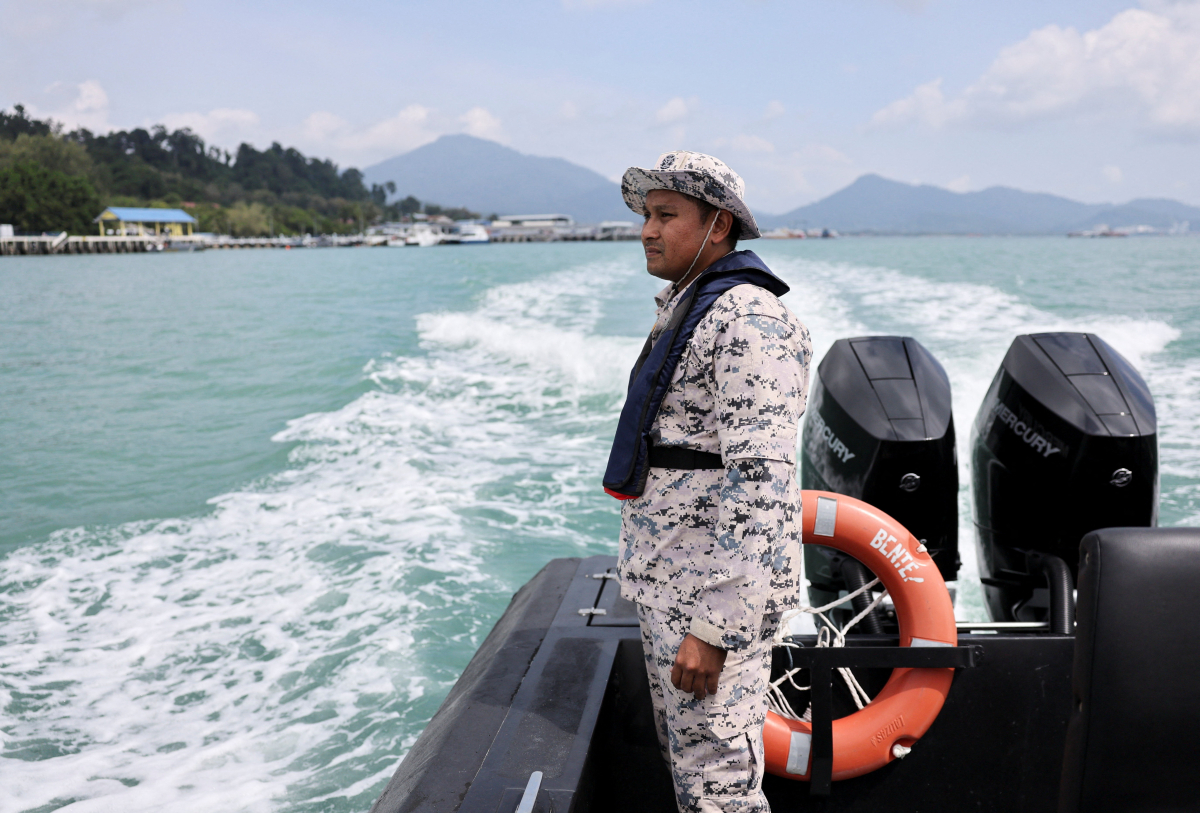
Without life jackets, many may not survive for more than 24 hours, but some might be clinging to floating debris, he added, with search operations continuing.
“The weather conditions aren’t ideal, but we are doing our best,” Romli said. So far, 13 survivors have been rescued.
Long persecuted in predominantly Buddhist Myanmar, the mostly Muslim Rohingya face increasing violence in their war-torn homeland and worsening conditions in overcrowded refugee camps in neighbouring Bangladesh, home to 1.3 million of them.
Hundreds of Rohingya boarded a boat bound for Malaysia two weeks ago, and were transferred onto two vessels on Thursday, according to Khairul Azhar Nuruddin, Police Chief on Malaysia’s northern Langkawi island, the focal point of the search efforts.
The smaller of the boats, carrying around 70 people, sank near Langkawi the same day, with the fate of the second boat, which carried 230 passengers, still unknown, Malaysian authorities reported.
'He left without telling anyone'
Among those who boarded the boat to Malaysia was 29-year-old Mohammed Ibrahim, according to his elder brother, Mohammed Younus.
“He left for Malaysia without telling anyone,” Younus said, speaking from the refugee camps in Bangladesh.
“If I had known, I would never have let him go. He has a wife and three children – a three-year-old son and 10-month-old twin daughters," he added. "Who will take care of them?”
In the last week of October, several boats carrying Rohingya departed from Cox’s Bazar in Bangladesh, said Chris Lewa, director of the Arakan Project, a non-profit organisation that monitors these journeys.
The boats typically take around a week to 10 days to reach Malaysian waters. Lewa added that the boats might have also stopped off the coast of Myanmar to pick up more Rohingya fleeing the civil conflict in Rakhine state, which has worsened displacement in the area.
Between January and early November this year, more than 5,100 Rohingya left Myanmar and Bangladesh by boat, with nearly 600 reported dead or missing, according to the United Nations Refugee Agency (UNHCR).
Malaysia, a Muslim-majority country, has long been a preferred destination for Rohingya fleeing persecution, although it does not officially recognise refugee status. In recent years, Malaysia has turned away boats and detained Rohingya as part of a crackdown on undocumented migrants.
Malaysian police said that those rescued are being detained while an investigation into potential immigration offences is conducted.
'People are desperate'
Both Thailand and Malaysia have launched air and sea patrols as part of a search effort that may last a week, said Romli.
The information received by the agency suggested the first boat carrying the Rohingya departed from Rakhine state, which borders Cox’s Bazar, where the refugee camps are located, Romli added.
In Thailand, authorities found refugee cards issued in Bangladesh for two children, identifying them as Rohingya living in the Cox’s Bazar camps.
Some Rohingya say people risk these dangerous journeys because they see no future in Bangladesh, where foreign aid is dwindling, and are too afraid to return to Myanmar.
“People are desperate,” said Naser Khan, a Rohingya refugee in Cox’s Bazar.
“People are dying from the fighting, dying from hunger. So some think it’s better to die at sea than to die slowly here,” Khan explained.















What is your opinion on this topic?
Leave the first comment