Regional politics at the forefront of voters’ minds
As Armenia heads toward parliamentary elections on 7 June, the country's relationship with Azerbaijan is emerging as one of the defining issues of the...
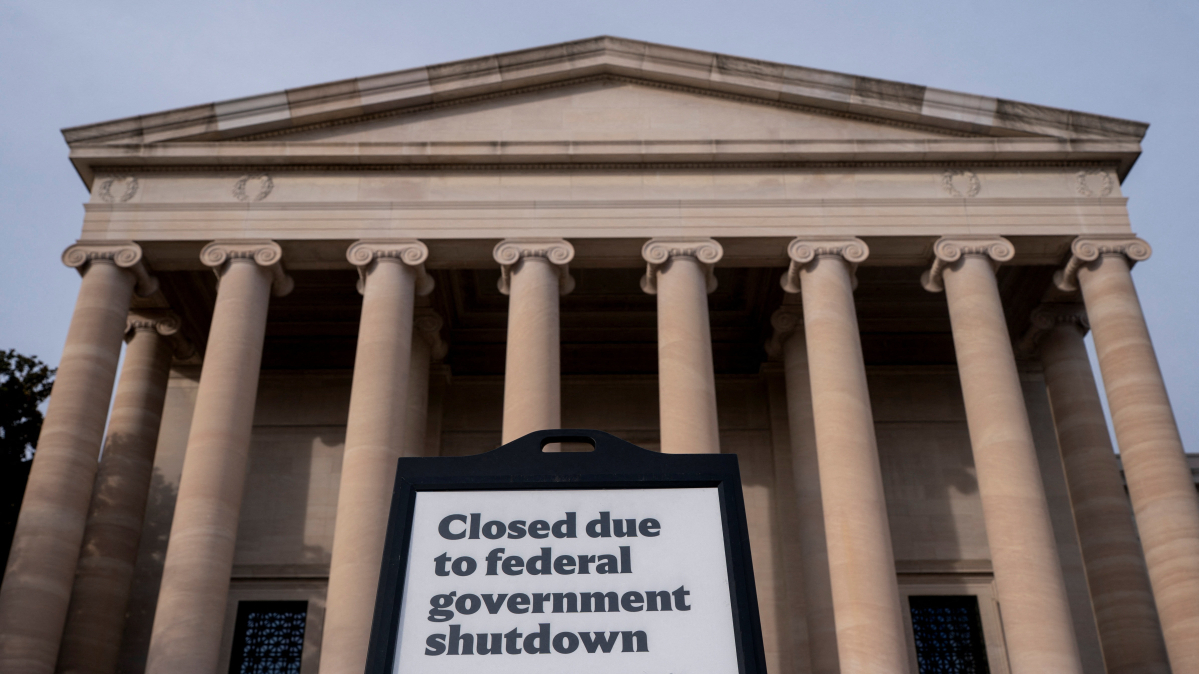
The U.S. Senate on Monday approved a deal to end the longest government shutdown, resolving a weeks-long impasse that disrupted food aid, halted pay for federal workers, and affected air travel.
The 60–40 vote passed with backing from nearly all Republicans and eight Democrats, who failed in their effort to link government funding to soon-expiring health subsidies.
While the agreement sets up a December vote on those subsidies, which benefit 24 million Americans, it does not guarantee they will continue.
The deal would restore funding for federal agencies that lawmakers allowed to expire on 1 October and would stall President Donald Trump's campaign to downsize the federal workforce, preventing any layoffs until 30 January.
It next heads to the Republican-controlled House of Representatives, where Speaker Mike Johnson has said he would like to pass it as soon as Wednesday and send it on to Trump to sign into law.
Trump has called the deal to reopen the government "very good."
The deal would extend funding through 30 January, leaving the federal government for now on a path to keep adding about $1.8 trillion a year to its $38 trillion in debt.
"We wish we could do more," said Senator Dick Durbin of Illinois, the chamber's No. 2 Democrat.
"The government shutting down seemed to be an opportunity to lead us to better policy. It didn't work."
The deal does not appear to include any specific guardrails to prevent Trump from enacting further spending cuts.
However, the deal would fund the SNAP food-subsidy program through to 30 September next year, heading off any possible disruptions if Congress were to shut down the government again during that time.

Severe Tropical Storm Jangmi brought heavy rain, power cuts and transport disruption across Japan on Wednesday (3 June) as it tracked towards the greater Tokyo region.
Police officers were pelted with missiles during violent clashes at a protest near the Southampton, UK, home of convicted murderer Vickrum Digwa, as anger continued to grow over the handling of the fatal stabbing of 18-year-old Henry Nowak.
Thousands of people have taken to the streets in Albania in recent days to protest against a luxury tourism project linked to Jared Kushner, the son-in-law of U.S. President Donald Trump, and his wife Ivanka Trump.
An Iranian drone and missile attack struck Kuwait International Airport early Wednesday, injuring several people, damaging Terminal 1 and forcing flight diversions, Kuwaiti authorities said.
Armenia’s parliamentary election comes at a defining moment for the South Caucasus, a region reshaped by the Garabagh conflict and broader shifts in Russia-West relations. The outcome is increasingly seen as a signal of Armenia’s future foreign policy direction and the regional balance of power.
U.S. President Donald Trump will attend next month's NATO leaders' summit in Türkiye, ending weeks of uncertainty over whether he would take part in a gathering expected to focus on the future of the alliance.
All 27 European Union (EU) member countries have agreed to begin the first set of talks with Ukraine and Moldova about joining the political and economic bloc.
Germany's foreign minister Johann Wadephul has suggested that Berlin's strong backing of Ukraine and its close ties with Israel may have contributed to its failure to secure a seat on the United Nations Security Council.
Start your day informed with the AnewZ Morning Brief. Here are the top stories for the 4 June, covering the latest developments you need to know.
Three people have been killed and seven injured in Ukrainian strikes on Russia-annexed Crimea, according to Kremlin officials in the peninsula, as fighting between Russia and Ukraine continues.
You can download the AnewZ application from Play Store and the App Store.
What is your opinion on this topic?
Leave the first comment