German Defence Minister Boris Pistorius on Friday suggested a potential link between recent drone incidents in Belgium and discussions surrounding the use of frozen Russian assets, held by Belgian financial institution Euroclear, to fund a substantial loan to Ukraine.
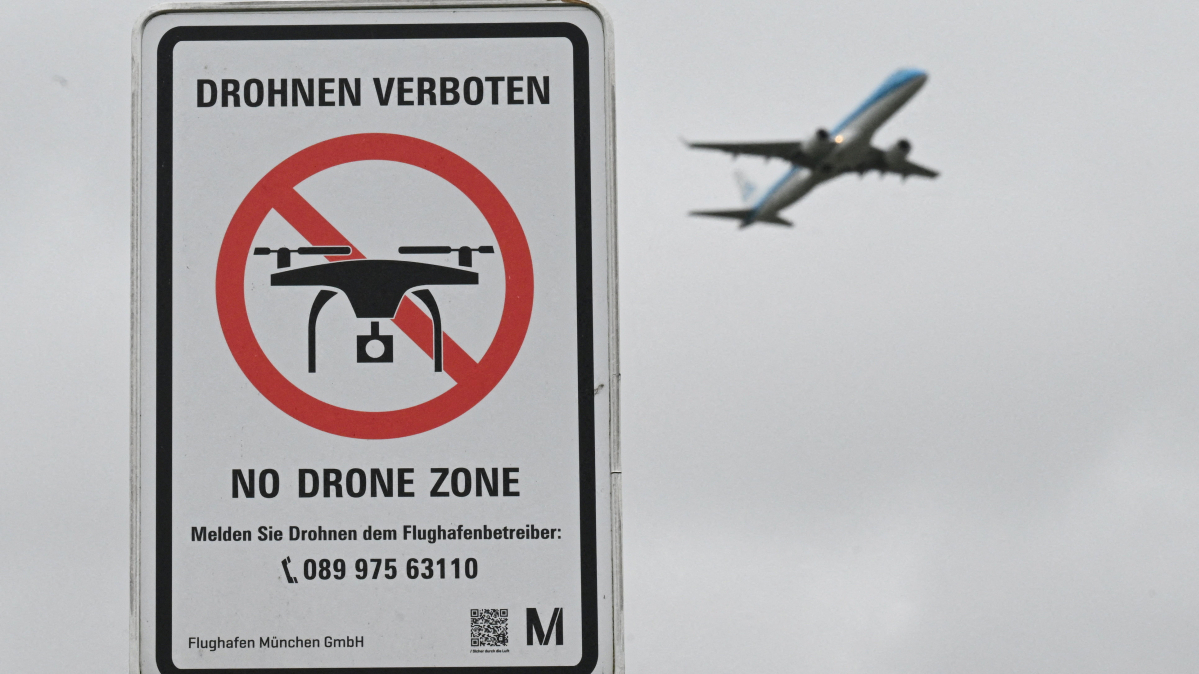
Drone sightings over airports and military bases have become an ongoing issue in Belgium in recent days, causing significant disruptions across Europe in recent months.
Some officials have attributed these incidents to "hybrid warfare" by Russia, though Moscow has denied any involvement.
Belgium Airports Latest to Spot Drones
Pistorius remarked, "Yes, we all see this (link). The Belgians as well. This is a measure aimed at spreading insecurity, at fearmongering in Belgium: Don’t you dare touch the frozen assets. This cannot be interpreted any other way," during a press conference in Berlin.
The Belgian Ministry of Defence declined to comment on his statement but acknowledged that "the possibility had already been floated in Belgium."
Belgium's Prime Minister, Bart De Wever, has stated that his country would require solid and concrete guarantees before proceeding with a plan to use frozen Russian assets to support Ukraine in its defence against Russia's invasion.
Belgium's position is critical, as Euroclear, a Belgian financial institution, holds the assets in question.
On Friday, flights at Belgium's Liege airport resumed after a temporary halt due to a drone sighting, marking the second such incident this week.
Drone sightings over Brussels and Liege airports earlier in the week led to the diversion of many incoming flights and the grounding of several outbound planes.
In response, the Belgian government called an emergency meeting of key ministers and security officials on Thursday to discuss what the defence minister described as a coordinated attack.
Drone sightings also prompted temporary airport closures in several countries, including Sweden, on Thursday.
Germany Establishes Rapid Response Teams to Counter Drones
Germany's military is establishing rapid response teams to address urgent drone threats, with these units most recently deployed to assist Belgium. "These anti-drone units are being established right now," Lieutenant General Alexander Sollfrank, head of Germany’s joint operations command, told Reuters.
Germany’s Ministry of Defence announced on Thursday that it was sending counter-drone specialists to Belgium following a request from Brussels.
While Sollfrank refrained from providing specific details about the new counter-drone units, citing operational security, he shared that a team previously dispatched to Copenhagen during an EU summit was equipped with a range of sensors and effectors.
"They have various systems to detect and neutralise drones. For example, we have the capability to take control of a drone and land it at a designated location," the general explained.
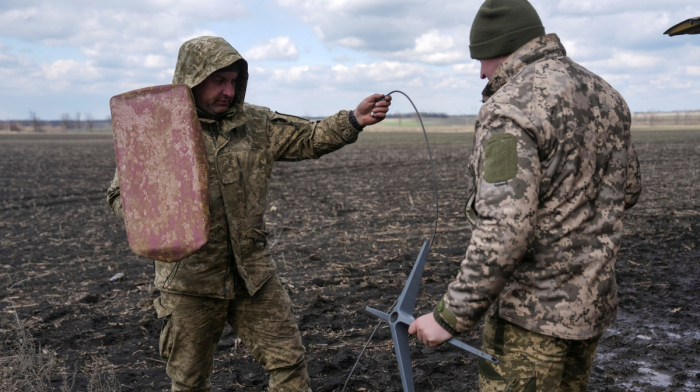
The counter-drone experts also have access to drones that can deploy nets to capture and disable hostile drones, as well as interceptors that can ram and neutralise enemy drones, he added.













What is your opinion on this topic?
Leave the first comment