live Qatar shoots down Iranian jets: All the latest news on the Iran strikes
The Middle East crisis intensifies after the deadly attack on the compound of the Supreme Leader of Iran Ali Khamenei on Saturday t...
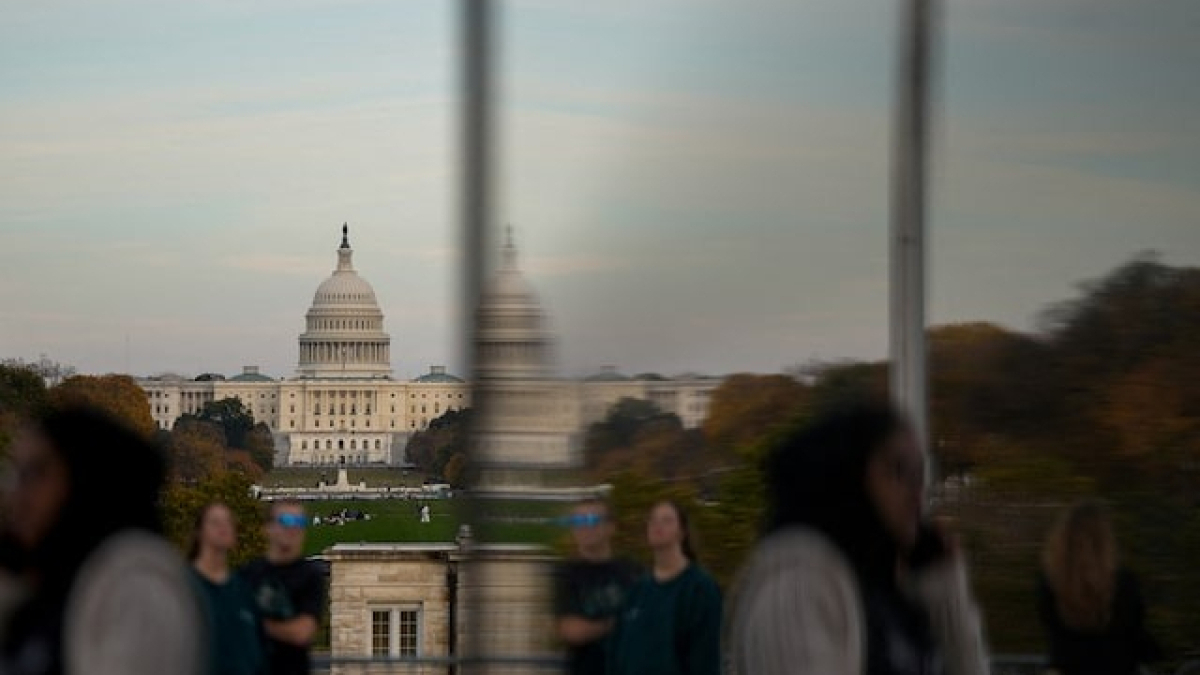
The U.S. Senate has blocked a Republican-backed funding bill for the 14th time, as the government shutdown reached 35 days on Tuesday — tying the longest in U.S. history.
The Continuing Appropriations and Extensions Act, 2026, failed to advance in the Senate after a 54-44 vote, falling short of the 60 votes needed to invoke cloture and proceed.
Three Democrats — Catherine Cortez Masto, Angus King and John Fetterman — broke ranks to support the bill, while Republican Senator Rand Paul opposed it. Senators Cory Booker and Thom Tillis did not vote.
The current deadlock matches the 35-day federal shutdown that occurred between December 2018 and January 2019, during President Donald Trump's first term. It is set to become the longest in U.S. history if no agreement is reached by Wednesday.
“This is now day 35 of the Democrat shutdown, and I’ll be honest with you, I don’t think any of us expected that it would drag on this long,” House Speaker Mike Johnson told reporters on Tuesday.
The shutdown began on 1 October following a breakdown in negotiations over federal spending. Tens of thousands of federal employees have been furloughed or are working without pay, and many public services remain suspended.
Ending the impasse will require a bipartisan deal in the Senate that former President Trump — a key influence in the Republican-led House — is willing to endorse.

Follow the latest developments and global reaction after the U.S. and Israel launched “major combat operations” in Iran, prompting retaliation from Tehran.
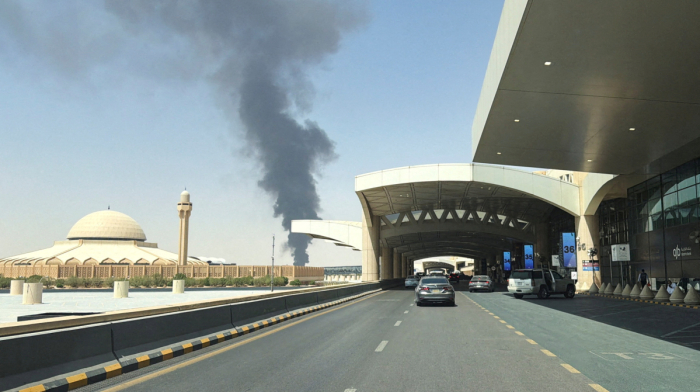
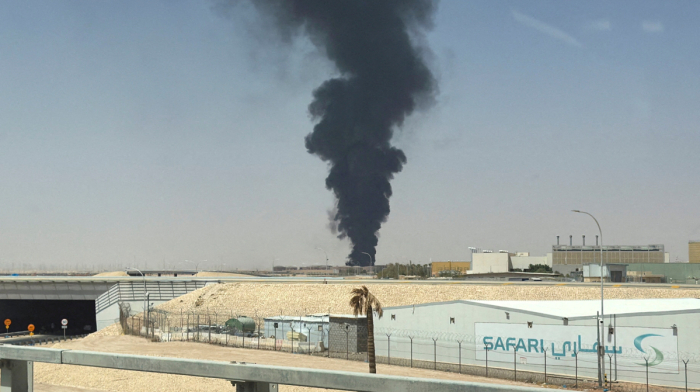
Saudi Arabia’s state oil giant Saudi Aramco closed its Ras Tanura refinery on Monday following an Iranian drone strike, an industry source told Reuters as Tehran retaliated across the Gulf after a U.S.-Israeli attack on Iranian targets over the weekend.
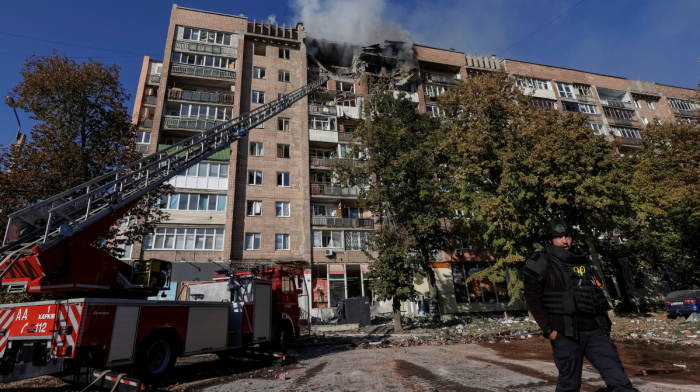
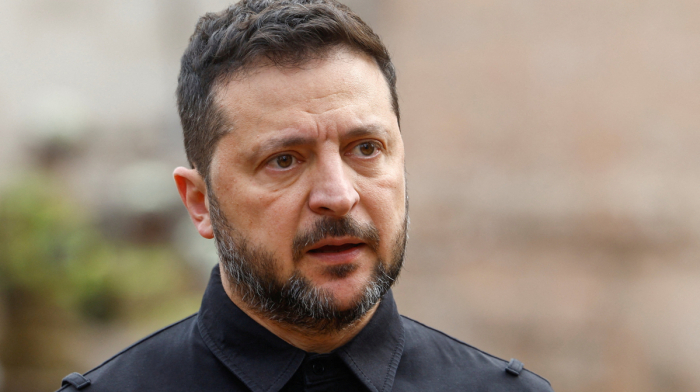
The Kremlin is utilising the recent United States and Israeli military strikes on Iran to validate its ongoing war in Ukraine. Russian officials are pointing to the escalation in the Middle East as evidence that Western nations do not adhere to international rules.
The Middle East crisis intensifies after the deadly attack on the compound of the Supreme Leader of Iran Ali Khamenei on Saturday that killed him, other family members and senior figures. Iran has launched retaliatory strikes on U.S. targets in the region.
Ayatollah Alireza Arafi has moved into a pivotal constitutional role following the death of Supreme Leader Ayatollah Ali Khamenei, becoming the clerical member of Iran’s temporary leadership council under Article 111 of the Constitution of the Islamic Republic of Iran.
The U.S.-Iran crisis has entered its third day, with further strikes reported across the Middle East and the death toll rising. Oil prices have surged to levels last seen during the Covid-19 pandemic, raising fears of economic disruption and higher prices worldwide.
The UK said it's allowing the U.S. to use its bases for defensive strikes against Iran amid escalating missile attacks, after a suspected drone strike hit a British airbase in southern Cyprus, causing limited damage.
The Kremlin is utilising the recent United States and Israeli military strikes on Iran to validate its ongoing war in Ukraine. Russian officials are pointing to the escalation in the Middle East as evidence that Western nations do not adhere to international rules.
European Union stands with its member states in the face of any threat, EU Commission President Ursula von der Leyen said in response to the drone strike that hit Britain's Royal Air Force base of Akrotiri in southern Cyprus overnight.
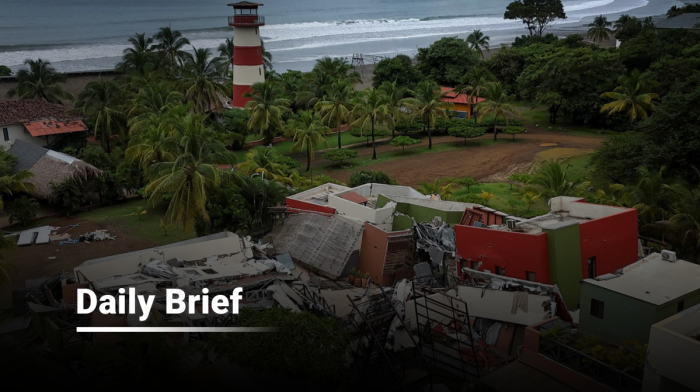
Start your day informed with AnewZ Morning Brief. Here are the top news stories for the 27th of February, covering the latest developments you need to know.
You can download the AnewZ application from Play Store and the App Store.
What is your opinion on this topic?
Leave the first comment