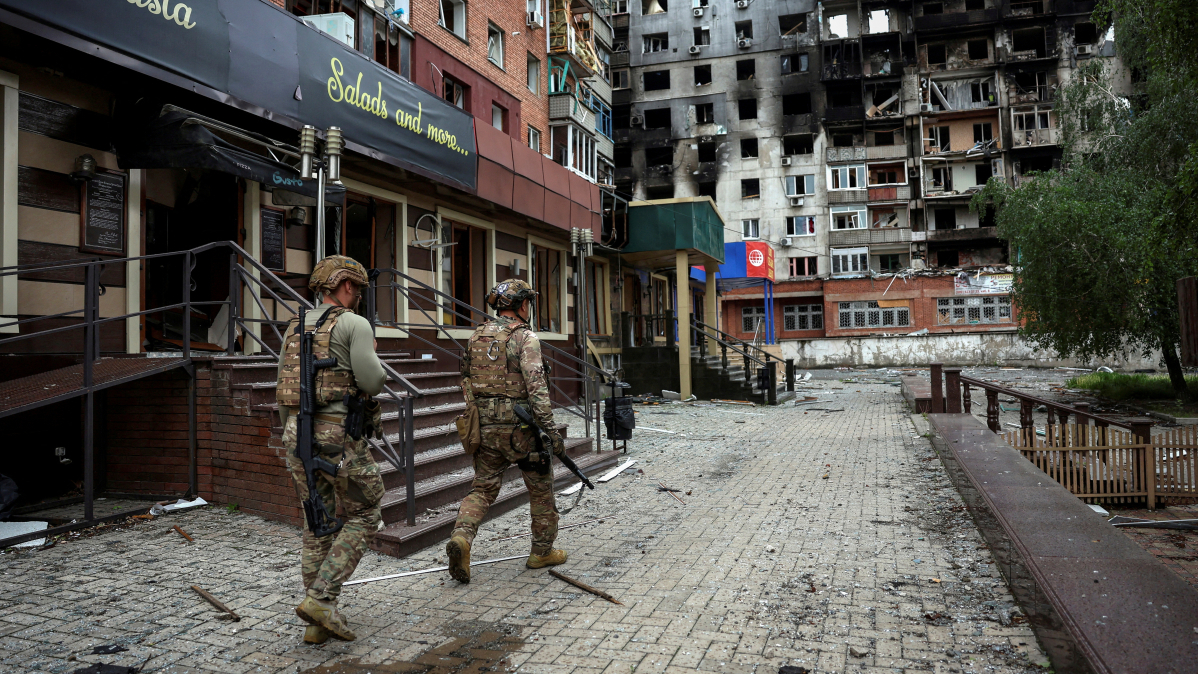
Ukraine’s top military commander has confirmed that troops are facing “difficult conditions” defending the strategic eastern town of Pokrovsk against a multi-thousand Russian force.
General Oleksandr Syrskyi denied Russian claims that Ukrainian troops were surrounded, but acknowledged that key supply lines are under heavy fire. He confirmed the deployment of elite special forces to protect these critical routes, underscoring Kyiv’s determination to hold the town.
Conflicting Reports
Moscow’s defence ministry claimed that 11 Ukrainian special forces were killed after a helicopter landing near Pokrovsk, but Kyiv has denied these reports. In a video shared on Telegram, Gen Syrskyi is seen reviewing battlefield maps with military intelligence chief Kyrylo Budanov, though the footage’s date and location remain unverified.
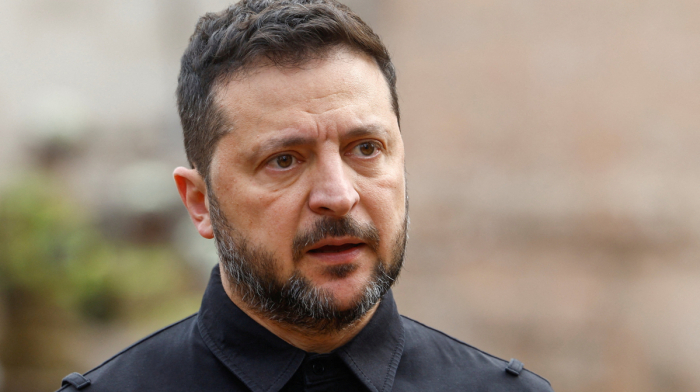
Ukrainian authorities say the 7th Rapid Response Corps has “improved tactical positions” in Pokrovsk, though the situation is “difficult and dynamic.” Ukrainian President Volodymyr Zelensky stressed that the defence of Pokrovsk remains a priority.
Strategic Importance
Pokrovsk is a key transport and supply hub in Donetsk, controlling access to surrounding areas. Russian forces have been attempting to seize the town for over a year, aiming to consolidate control over the Donbas region, which includes Donetsk and Luhansk.
Open-source monitoring groups describe about half of Pokrovsk as a “grey zone”, where neither side has full control. The US-based Institute for the Study of War noted that Ukrainian forces have made marginal advances during recent counter-attacks, but the town remains heavily contested.
Wider Context
Russia’s invasion, which began in February 2022, has resulted in Moscow controlling roughly 20% of Ukrainian territory, including Crimea. Capturing Pokrovsk could help Russia strengthen its position in the region and bolster its narrative of progress to Western audiences.
Kyiv and its Western allies remain firm in opposing Russia’s maximalist demands. The United States has imposed sanctions on major Russian oil producers and cancelled a planned summit between Presidents Donald Trump and Vladimir Putin, citing Moscow’s unwillingness to negotiate a ceasefire along current front lines.
Ukraine has indicated openness to a frontline freeze, but Russia continues to insist on pre-invasion territorial claims — a stance Kyiv and Western powers view as effectively demanding Ukraine’s capitulation.











What is your opinion on this topic?
Leave the first comment