Azerbaijan enters WEF global Lighthouse network with SOCAR Carbamide facility
SOCAR’s Carbamide plant in Sumgayit has been recognised by the World Economic Forum (WEF) as a Global Lighthouse site, marking Azerbaijan’s first ...
New Zealand announced on Thursday that it would broaden sanctions against Russia’s oil sector and its so-called shadow fleet, during a meeting with the foreign ministers of the five Nordic countries in Stockholm.
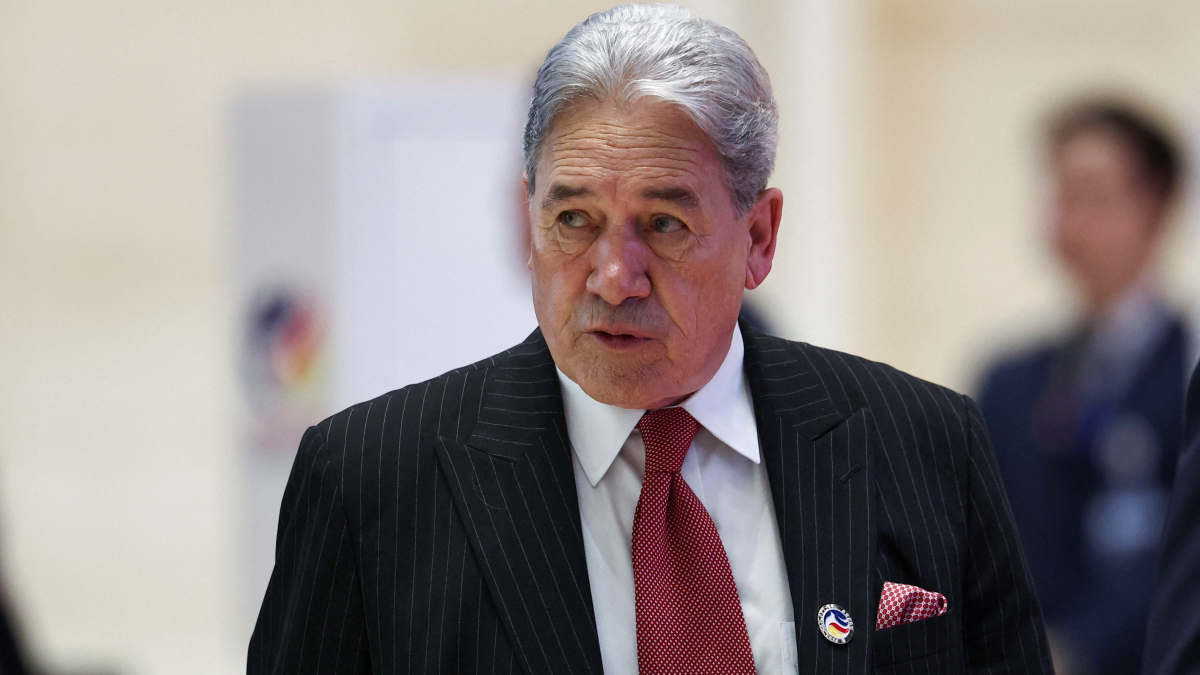
Foreign Minister Winston Peters said in a statement that an additional 65 shadow fleet vessels, as well as entities from Belarus, Iran and North Korea involved in refining, transporting, and facilitating payments for Russian oil, would be sanctioned.
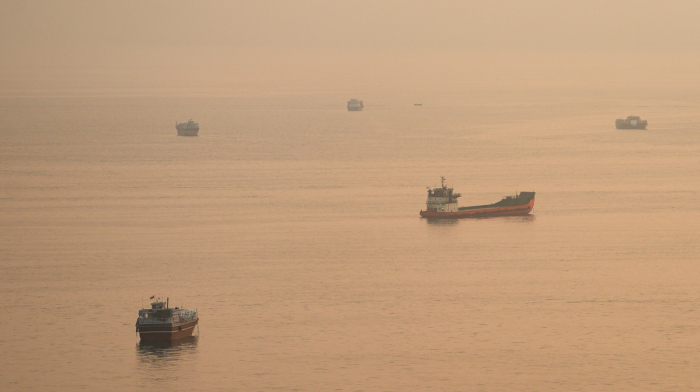
The shadow fleet refers to tankers that carry sanctioned oil from countries such as Russia, Iran and Venezuela, disguising their activities through falsified locations, documents and identities.
“These actors form part of a wider network supporting the trade in Russian oil and undermining global efforts to cut off funding for Russia’s illegal war,” Peters said. “By targeting the oil supply chain, New Zealand is taking firm action to back international attempts to bring Russia to the negotiating table.”
The move follows a Reuters investigation published on Tuesday, which revealed that Maritime Mutual, a small New Zealand-based insurer, had provided cover to ships moving billions of dollars’ worth of Iranian and Russian oil, enabling them to access ports despite Western sanctions.

Qarabağ claimed a late 3–2 victory over Eintracht Frankfurt in the UEFA Champions League on Wednesday night, scoring deep into stoppage time to secure a dramatic home win in Baku.
Russian President Vladimir Putin said on Wednesday that Moscow could pay $1 billion from Russian assets frozen abroad to secure permanent membership in President Donald Trump’s proposed ‘Board of Peace’.
President Donald Trump said on Thursday that the United States has an "armada" heading toward Iran but hoped he would not have to use it, as he renewed warnings to Tehran against killing protesters or restarting its nuclear programme.
A commuter train collided with a construction crane in southeastern Spain on Thursday (22 January), injuring several passengers, days after a high-speed rail disaster in Andalusia killed at least 43 people.
“I’m seeking immediate negotiations to once again discuss the acquisition of Greenland by the U.S.,” US President Donald Trump told the World Economic Forum. During his Wednesday (21 January) address, he once more cited national security concerns as the reason for wanting to own the Arctic island.
In the snowy peaks of Davos, where the world’s most powerful leaders gather for the 56th World Economic Forum, a new narrative is emerging that challenges the current dominance of artificial intelligence (AI).
Start your day informed with AnewZ Morning Brief: here are the top news stories for the 23th of January, covering the latest developments you need to know.
The United States officially left the World Health Organization on 22 January, triggering a financial and operational crisis at the United Nations health agency. The move follows a year of warnings from global health experts that a U.S. exit could undermine public health at home and abroad.
Jared Kushner, U.S. President Donald Trump’s senior adviser, unveiled plans for a “New Gaza” on 23 January in Davos. The initiative to rebuild the war‑torn territory with residential, industrial, and tourism zones accompanies the launch of Trump’s Board of Peace to end the Israel-Hamas war.
TikTok’s Chinese owner, ByteDance, has finalised a deal to create a majority American-owned joint venture that will secure U.S. user data, safeguarding the popular short-video app from a potential U.S. ban. The move comes after years of political and legal battles over national security concerns.
You can download the AnewZ application from Play Store and the App Store.
What is your opinion on this topic?
Leave the first comment