Hegseth calls for early implementation of Japan's defence budget increase
U.S. Secretary of Defence Pete Hegseth on Wednesday urged Japan to move swiftly on its plan to raise defence spending but said he had not made any spe...
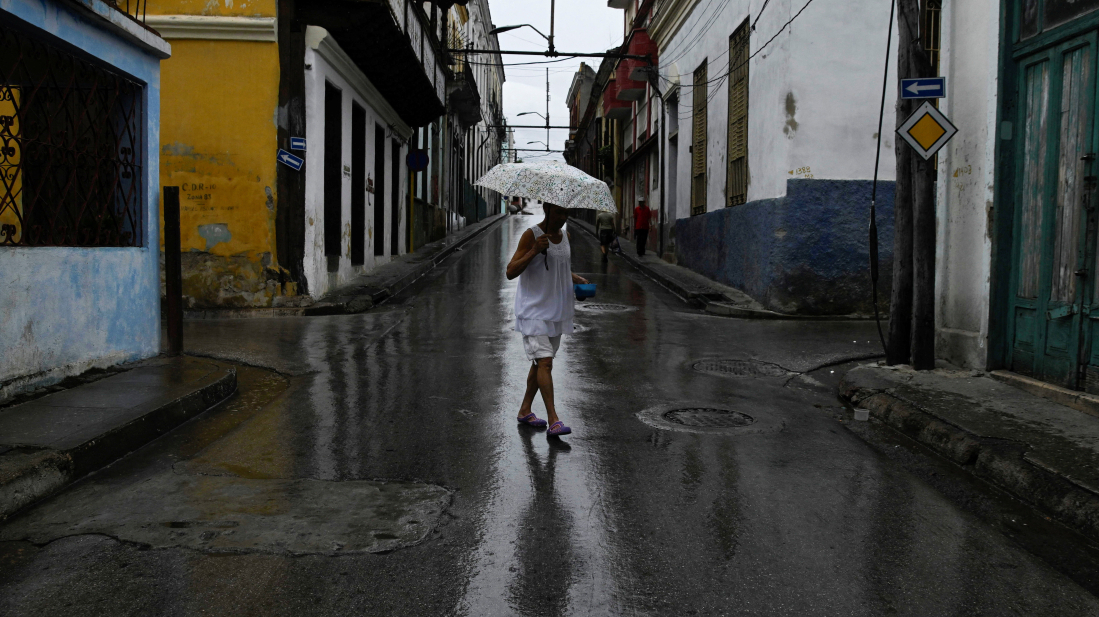
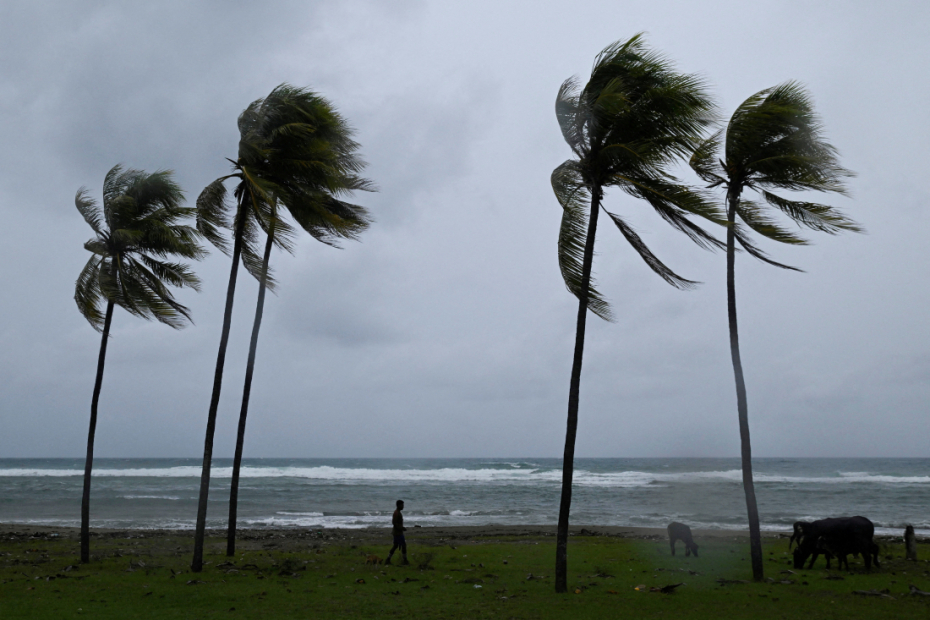
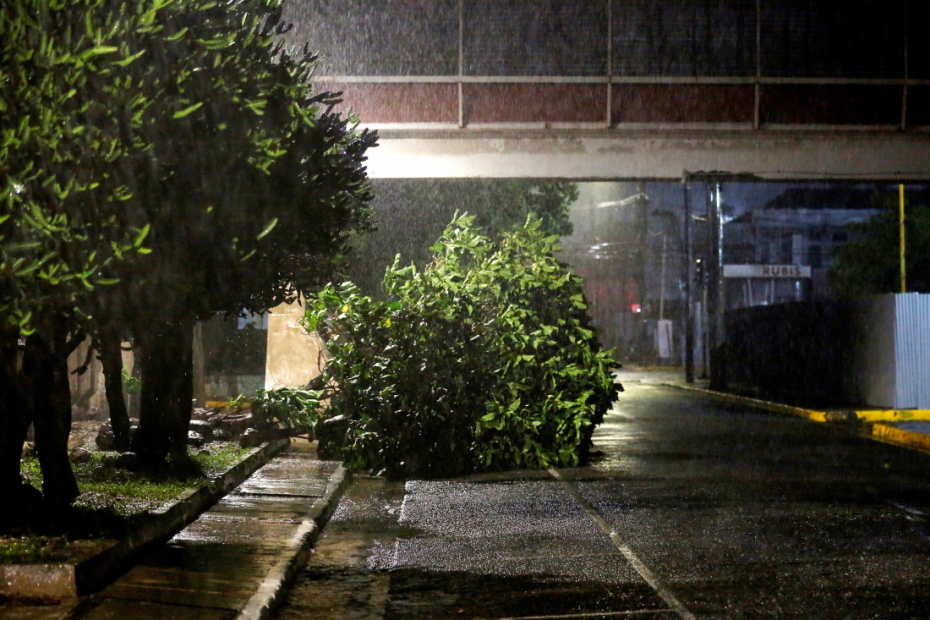
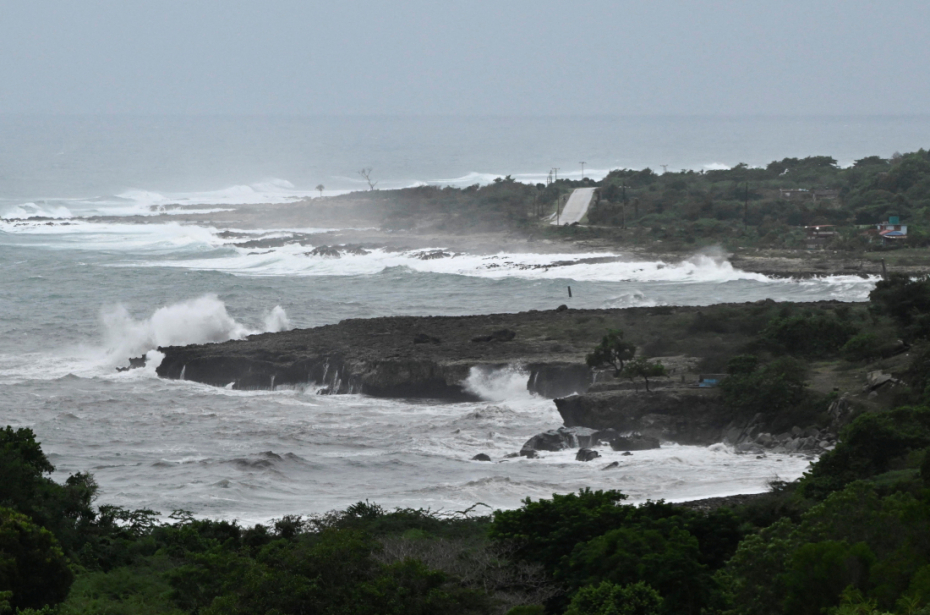
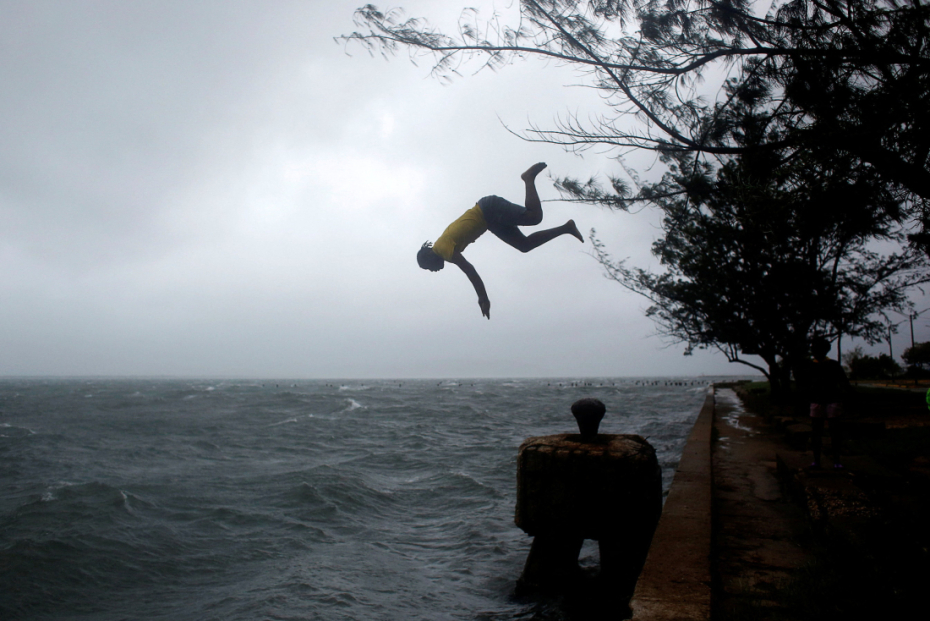
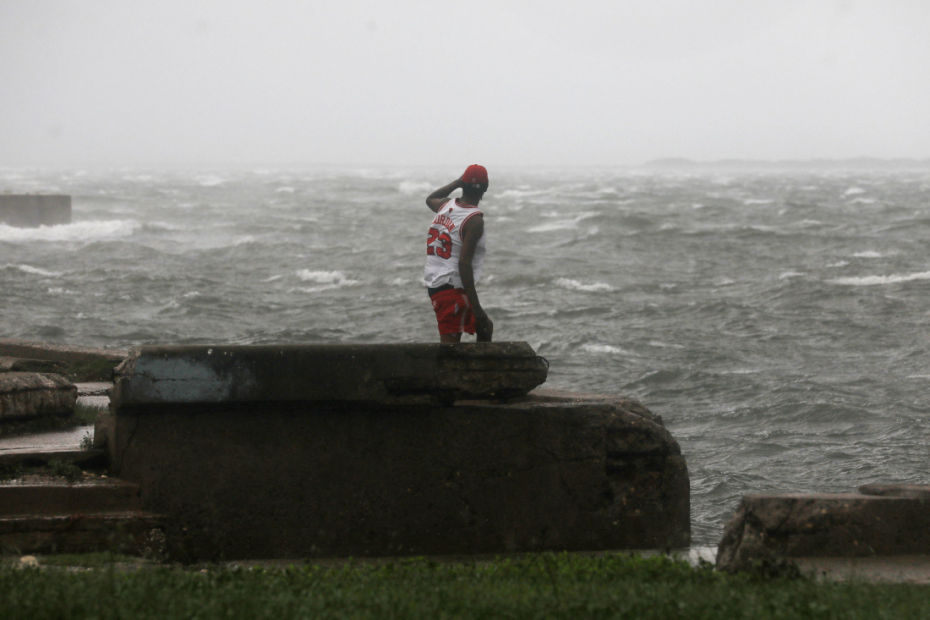
Hurricane Melissa barrelled toward Cuba’s second-largest city on Tuesday after making landfall in Jamaica as a catastrophic Category 5 storm, the strongest cyclone ever recorded to hit the Caribbean island nation.
The hurricane made landfall near the southwestern town of New Hope with sustained winds of 185 mph (295 kph), according to the U.S. National Hurricane Center (NHC), well above the Category 5 threshold on the Saffir-Simpson scale.
In St. Elizabeth parish, entire communities were “underwater,” officials said, and power outages affected more than half a million people.
Prime Minister Andrew Holness told CNN that early assessments showed “damage to hospitals, significant damage to residential property, housing and commercial property as well, and damage to our road infrastructure.”
Although there were no confirmed fatalities, Holness warned that “given the strength of the hurricane and the extent of the damage, we are expecting that there would be some loss of life.”
As Melissa moved away from Jamaica, winds weakened slightly to 145 mph (233 kph), yet torrential rain continued to threaten highland areas prone to flooding and landslides.
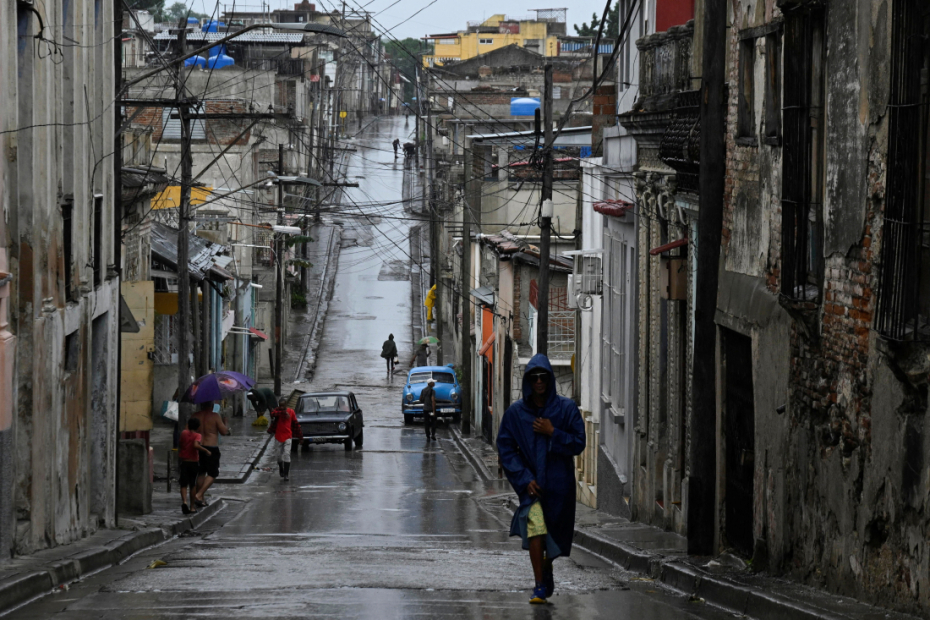
Meteorologists said the system was curving northeast towards Santiago de Cuba. “We should already be feeling its main influence this afternoon and evening,” Cuban President Miguel Díaz-Canel said via Granma, urging citizens to heed evacuation orders.
“There will be a lot of work to do. We know that this cyclone will cause significant damage,” he added.
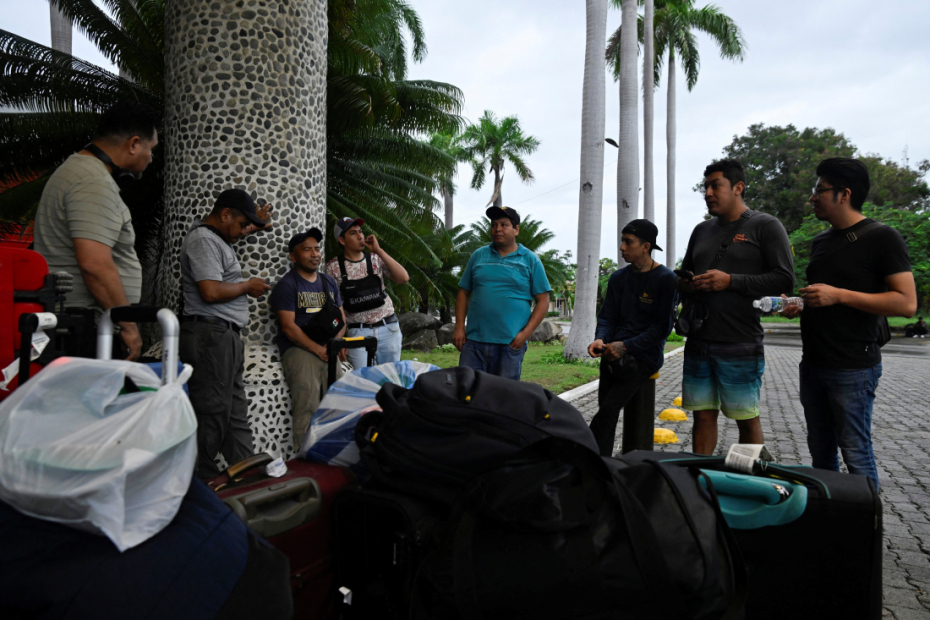
Authorities in Cuba relocated around 500,000 people to higher ground, while the Bahamas, next in the storm’s projected path, began moving residents from southern islands.
Meanwhile, torrential rains on Hispaniola, shared by Haiti and the Dominican Republic, had already killed at least four people, officials said.
Local reports from Jamaica said three people died during storm preparations, while a disaster coordinator suffered a stroke as Melissa came ashore. Late on Tuesday, many parts of the island remained isolated.
No stranger to hurricanes, Jamaica had never before taken a direct hit from a Category 4 or 5 storm until Melissa struck, prompting the government to appeal for international aid.
AccuWeather ranked Melissa as the third most intense hurricane ever recorded in the Caribbean, after Wilma in 2005 and Gilbert in 1988, the last major storm to hit Jamaica.
"It's a catastrophic situation," said Anne-Claire Fontan, tropical cyclone specialist at the World Meteorological Organization. "For Jamaica, it will be the storm of the century for sure."
In Portmore, near Kingston, Colin Bogle of Mercy Corps said he heard a loud explosion before the power went out. "People are scared. Memories of Hurricane Gilbert run deep, and there is frustration that Jamaica continues to face the worst consequences of a climate crisis we did not cause," he said.
Scientists warn that warming ocean waters are fuelling stronger, faster-developing storms. Caribbean leaders have urged wealthier nations to offer aid or debt relief to vulnerable island states.
Melissa’s slow movement and immense size made it particularly destructive, inundating the southwestern parish of St. Elizabeth, where the local hospital lost power and sustained heavy damage.
"It's like a roaring lion. It's mad. Really mad," said Collin Henry McDonald, 64, a retiree in Portland Cottage.
By late Tuesday, around 15,000 Jamaicans were in temporary shelters. The International Federation of the Red Cross estimated that up to 1.5 million people across the island were directly affected.
A small, silent object from another star is cutting through the Solar System. It’s real, not a film, and one scientist thinks it might be sending a message.
At least 69 people have died and almost 150 injured following a powerful 6.9-magnitude earthquake off the coast of Cebu City in the central Visayas region of the Philippines, officials said, making it one of the country’s deadliest disasters this year.
A tsunami threat was issued in Chile after a magnitude 7.8 earthquake struck the Drake Passage on Friday. The epicenter was located 135 miles south of Puerto Williams on the north coast of Navarino Island.
The war in Ukraine has reached a strategic impasse, and it seems that the conflict will not be solved by military means. This creates a path toward one of two alternatives: either a “frozen” phase that can last indefinitely or a quest for a durable political regulation.
A shooting in Nice, southeastern France, left two people dead and five injured on Friday, authorities said.
U.S. Secretary of Defence Pete Hegseth on Wednesday urged Japan to move swiftly on its plan to raise defence spending but said he had not made any specific requests regarding the scale of the increase during talks with his Japanese counterpart.
Start your day informed with AnewZ Morning Brief: here are the top news stories for 29 October, covering the latest developments you need to know.
U.S. President Donald Trump landed in South Korea on Wednesday for the final leg of his Asia trip, optimistic about striking a trade war truce with Chinese President Xi Jinping after summit talks with South Korea's Lee Jae Myung.
U.S. President Donald Trump said on Wednesday that a U.S.-backed ceasefire in Gaza was not at risk after local authorities reported that 26 people had been killed in Israeli strikes, as Israel and Hamas traded accusations of blame for the violence.
South Korea will welcome U.S. President Donald Trump on Wednesday with a replica gold crown and award him with the "Grand Order of Mugunghwa", the country's highest decoration, the presidential office said.
You can download the AnewZ application from Play Store and the App Store.
What is your opinion on this topic?
Leave the first comment