Iranians leave Doha talks, draft deal for U.S. circulates
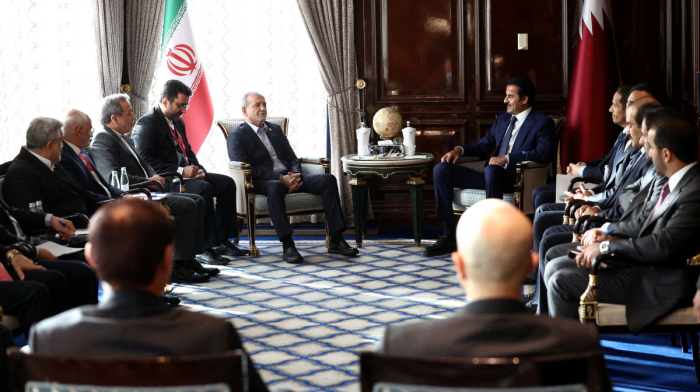
Iranian negotiators have left talks with Qatari mediators aimed at ending the war with the United States, and a dr...
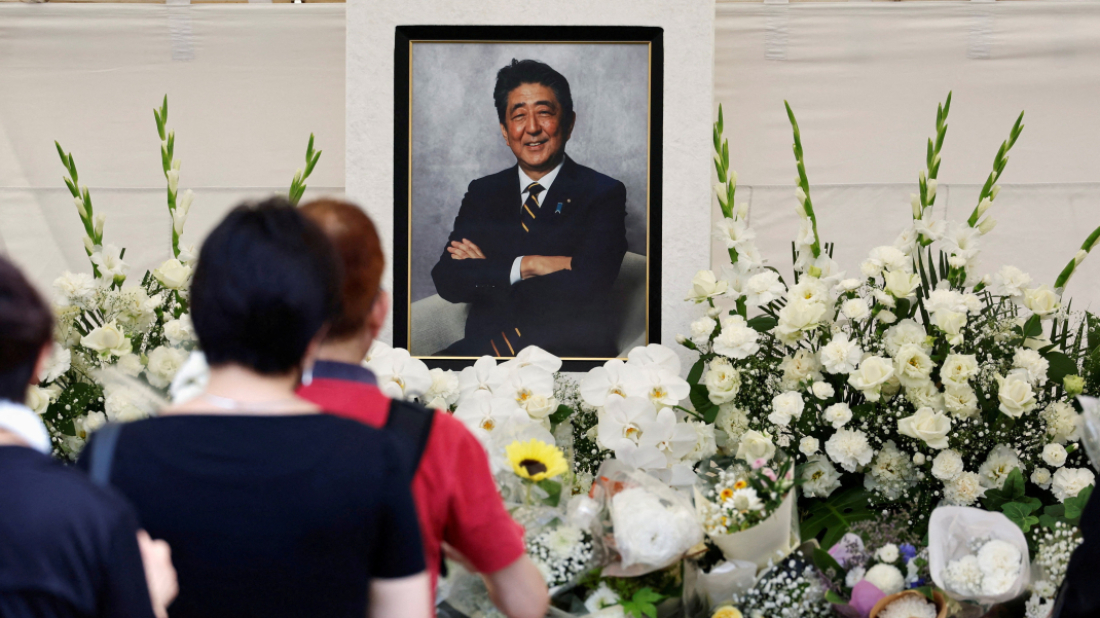
A man accused of fatally shooting former Prime Minister Shinzo Abe admitted to murder on Tuesday in the first hearing of the case, media said, three years after the assassination of Japan's longest-serving premier stunned the nation.
Tetsuya Yamagami, 45, was arrested at the scene of the shooting in July 2022 after allegedly firing at Abe with a homemade gun while the former premier was giving a speech during an election campaign in the western city of Nara.
"It is true that I did it," Yamagami, who appeared calm in a black sweatshirt and grey trousers with grown-out hair tied at the back, told the court, public broadcaster NHK reported.
A lawyer for Yamagami subsequently asked for any punishment to be reduced, saying the handmade gun he used did not fall within the category of handguns defined by Japan's Firearms and Swords Control Act, NHK added.
The high-profile trial opened on the day of a summit meeting of two of Abe's former allies, incumbent Prime Minister Sanae Takaichi and visiting U.S. President Donald Trump.
"He was a great friend of mine and a great friend of yours," Trump said as he shook hands with Japan's first female prime minister.
Abe was the first foreign leader to meet Trump after his 2016 election victory and the pair went on to forge a close bond over several rounds of golf in the United States and Japan.
Yamagami blamed Abe for promoting the Unification Church, a religious group against which he held a grudge after his mother donated some 100 million yen ($660,000) to it, domestic media have said.
Founded in South Korea in 1954, the Unification Church is famous for its mass weddings and counts Japanese followers as a key source of income.
The shooting was followed by revelations that more than a hundred lawmakers of Abe's Liberal Democratic Party had ties to it, driving down public support for the ruling party, which is now led by Takaichi.
After Tuesday's first court session, up to 17 more hearings are set by year-end, before a verdict is handed down on 21 January.
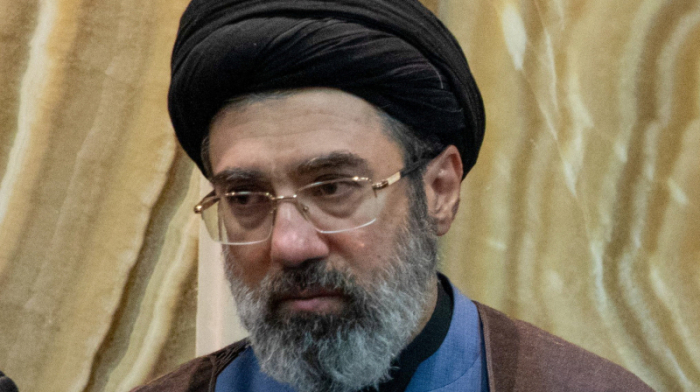
Iranian Supreme Leader Ayatollah Khamenei has ordered Iran's armed forces to respond to any threat immediately and without geographical limits in statements posted to social media platforms on Saturday (31 October).
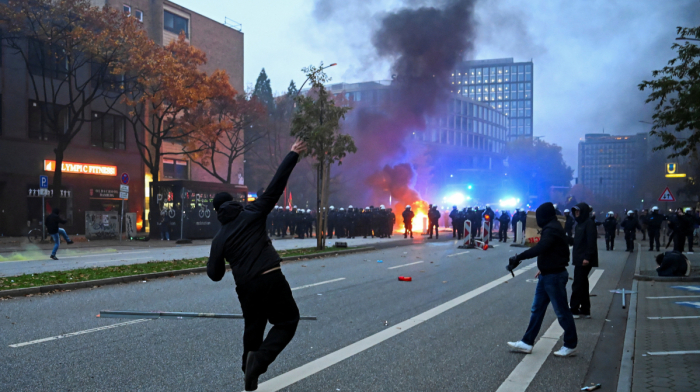
Gen Z protests swept 34 German cities on Saturday (31 October) over education and living costs. Violence erupted in Frankfurt, where shops were looted and police reported Molotov cocktail attacks.
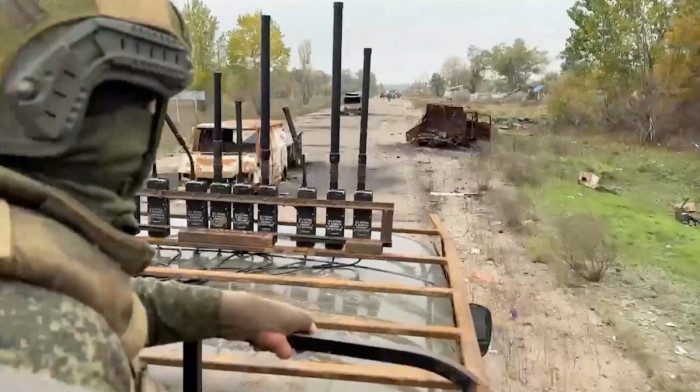
A six-day humanitarian ceasefire in the Russian-held Ukrainian town of Oleshky ended on Sunday, 1 November, after facilitating aid deliveries and civilian evacuations.
Saudi Aramco's acquisition of a 49 per cent stake in artificial intelligence (AI) company HUMAIN is putting a spotlight on a wider investment question: why are some of the world's biggest energy companies moving deeper into AI, and what do they expect to gain?
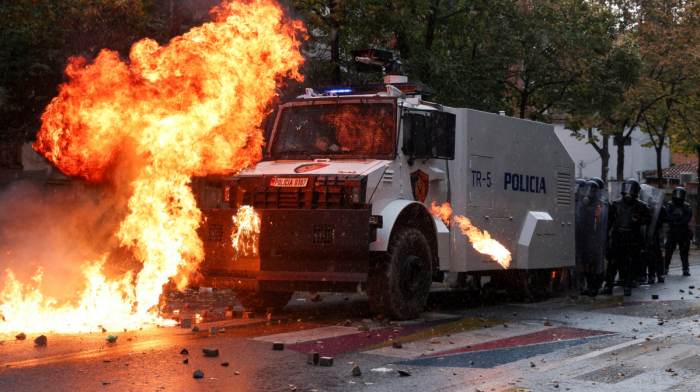
Thousands protested in Albania's capital, Tirana, on Saturday (31 October), demanding Prime Minister Edi Rama's resignation over perceived corruption allegations and dissatisfaction with the government over a lack of jobs and poor education standards.
ADIPEC 2026, the world's largest energy event, opened in the UAE capital on Monday, bringing governments and energy companies together at a time of heavy pressure on global supply.
The U.S. administration has reportedly proposed restarting Russian gas supplies to Europe through Ukraine as part of efforts to secure an energy ceasefire ahead of winter.
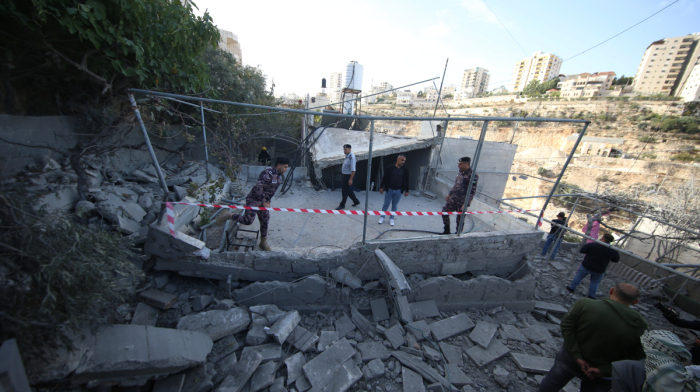
Israeli forces have withdrawn from the entire city of Hebron in the southern West Bank after a 10-day military operation that displaced thousands of Palestinians and left homes demolished, infrastructure damaged and businesses disrupted, according to the city's governor.
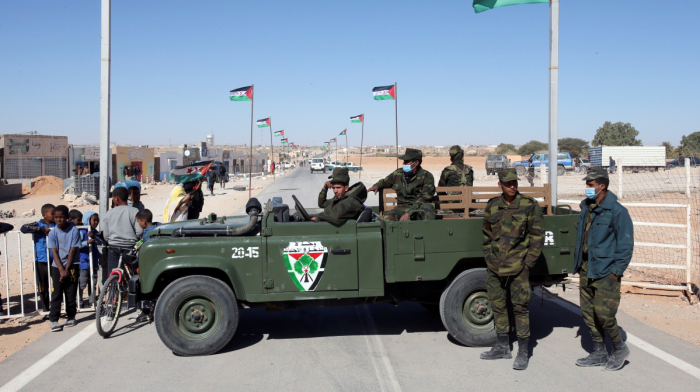
The United Nations is ending its 35-year peacekeeping mission in Western Sahara after the Security Council failed to agree on renewing its mandate, UN Secretary-General António Guterres announced on Sunday.
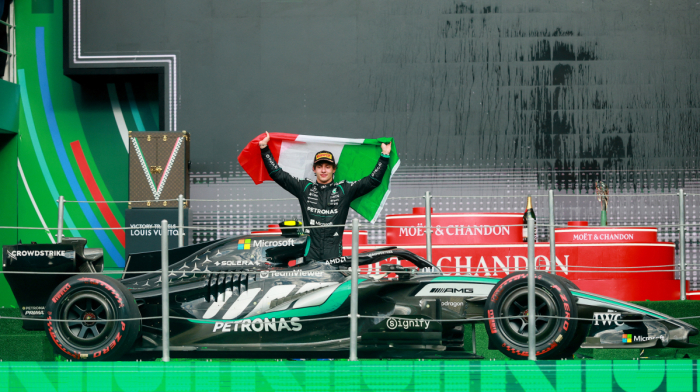
Kimi Antonelli became Formula One's youngest world champion at 20 years and 68 days old on Sunday when he finished third for Mercedes in a red-flagged and restarted Mexico City Grand Prix won by Red Bull's Max Verstappen.
You can download the AnewZ application from Play Store and the App Store.
What is your opinion on this topic?
Leave the first comment