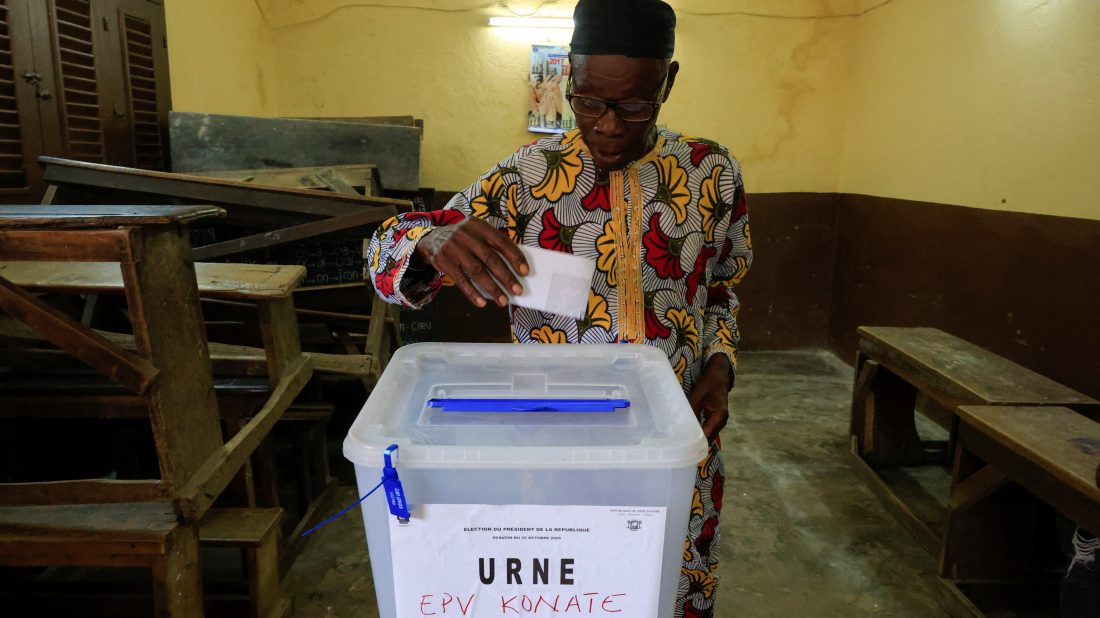
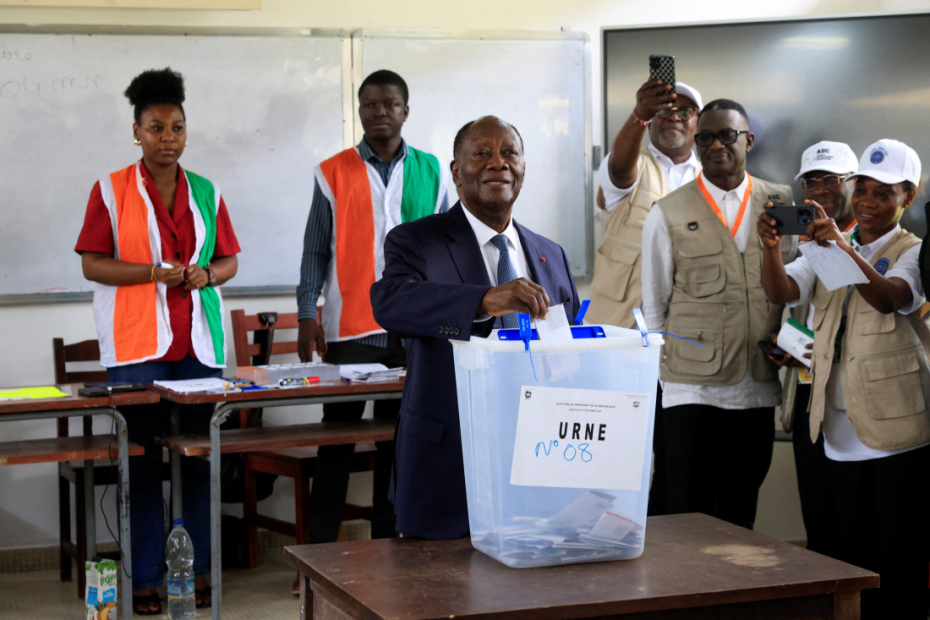
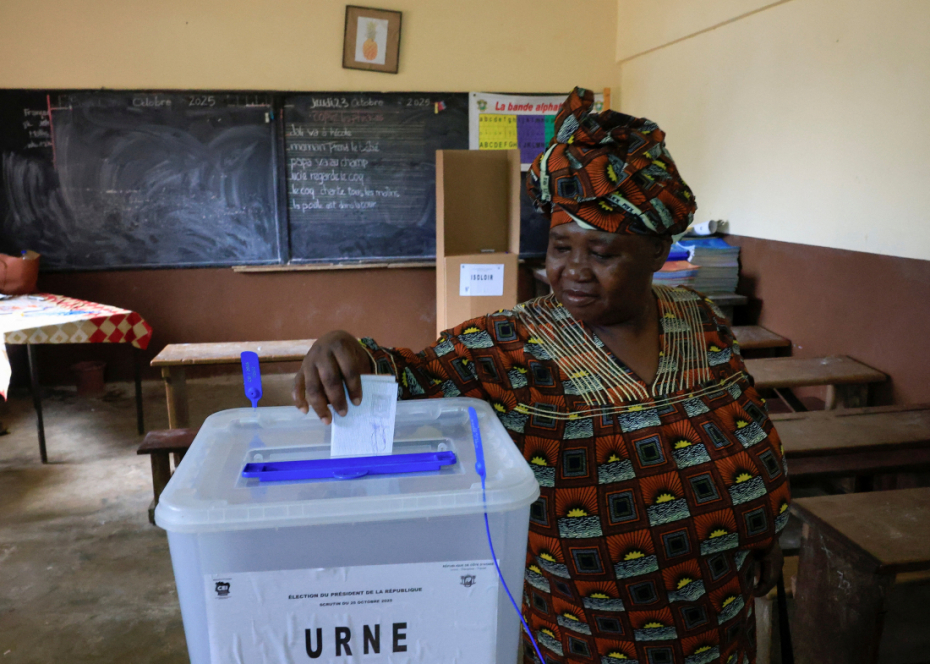
Ivory Coast is voting in a presidential election on Saturday with incumbent and strong favourite Alassane Ouattara, 83, claiming credit for nearly 15 years of economic growth and relative stability while hinting it will be his final campaign.
A former international banker and deputy managing director of the International Monetary Fund, Ouattara took power in 2011 after a four-month civil war that killed around 3,000 people.
The war was triggered by the refusal of his predecessor, Laurent Gbagbo, to acknowledge defeat in the 2010 election.
More than eight million people are registered to vote on Saturday. Polling stations close at 6 p.m. local time (1800 GMT). Provisional results are expected within five days. A runoff will be held if no candidate wins more than 50% of the vote.
SUCCESSION IN THE SPOTLIGHT
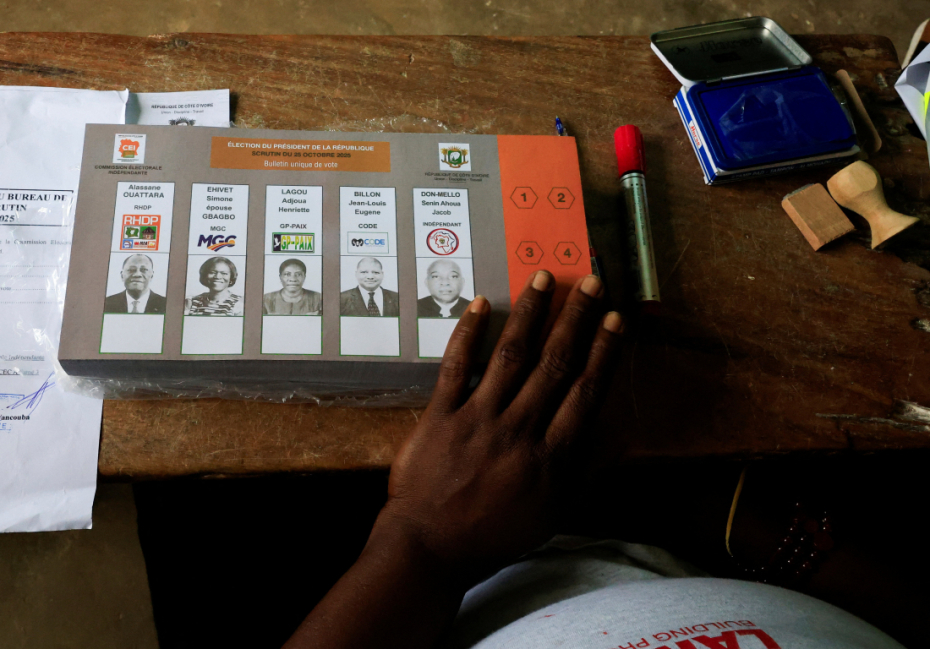
Gbagbo and Tidjane Thiam, former CEO of Credit Suisse, were deemed ineligible to run this year, and the remaining opposition candidates lack the backing of a major political party, making Ouattara the clear favourite.
Announcing his candidacy in July, Ouattara said a fourth term would be one of "generational transmission." This week he acknowledged that "it's not easy to work at the same pace" now that he is in his 80s.
Ivory Coast's median age is 18.
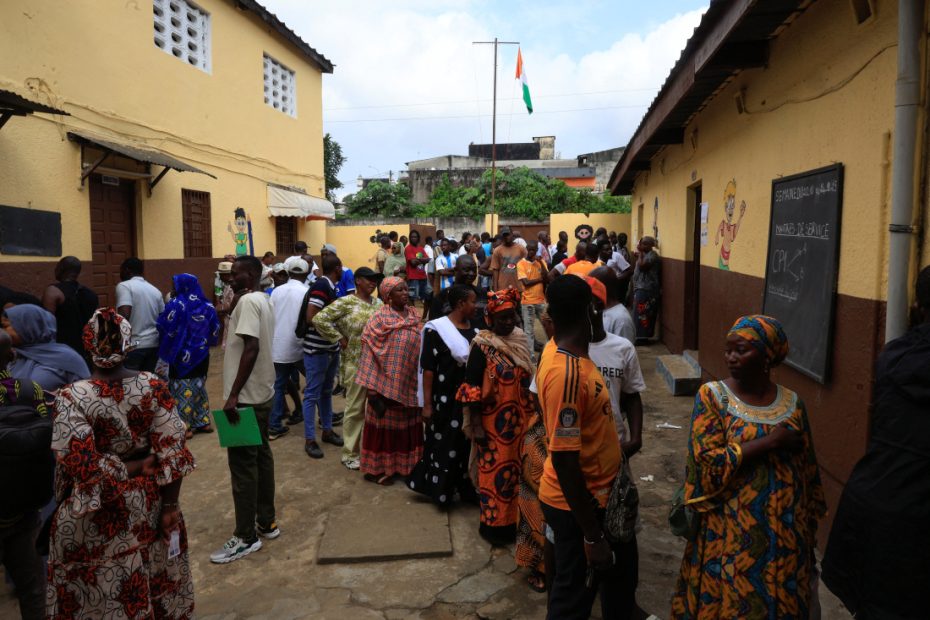
As polling stations opened at 0800 GMT in the Adjame district of the commercial capital Abidjan, even Ouattara's supporters said he should be nearing the end of his career.
"He has really changed the image of Ivory Coast, but this should be his last mandate. We need to pass the torch to the new generation," said Souamane Cisse, a 44-year-old driver.
Schoolteacher Fatou Fofana, 48, also said it was time for younger leadership but only if the transition is peaceful. There is currently no clear choice for a successor in the ruling party.
"It needs to come at the right time," Fofana said. "We need security."
YOUNG IVORIANS VOICE SCEPTICISM
The world's biggest cocoa producer is among the fastest-growing economies in the region. Its international bonds are some of the best performing in Africa.
Ouattara has tried to diversify economic output, with mining a key focus, while investing in schools and road infrastructure to attract more private investment.
Not everyone is impressed.
Alfred N'zi, 36, voting in the Abidjan suburb of Bingerville, told Reuters he lost his job three years ago at the port and had been unable to find a new one.
"I didn't want to vote at first, but I came to vote for change. I want things to change," he said, declining to specify which opposition candidate he would back.
Landry Ka, a 22-year-old student, said young Ivorians were "tired of seeing old people making decisions for us, the younger generation."
Ka said he is backing Simone Gbagbo, the former first lady and Ouattara's highest-profile challenger. She is 76.
The youngest candidate in the race is former commerce minister Jean-Louis Billon, at 60. He failed to get the backing of the main opposition party PDCI, led by Thiam, who is 63.
"Many young Ivorians express deep scepticism toward the political elite, citing persistent unemployment, economic inequality, and a lack of meaningful representation," said Chukwuemeka Eze, director of the Democratic Futures in Africa Program at Open Society Foundations.
HUNDREDS ARRESTED DURING CAMPAIGN
Though Ivory Coast has a history of election-related violence, this year's campaign has been mostly calm, with scattered protests in numerous locations including the political capital Yamoussoukro, where authorities imposed a curfew Friday night.
The government has deployed 44,000 members of the security forces throughout the country and enforced what Amnesty International said was a disproportionate ban on protests.
Hundreds have been arrested, and the interior ministry said dozens had received prison terms of up to three years for offences including disturbing public order.
Government spokesperson Patrick Achi, a former prime minister, told Reuters that the government protected freedom of speech but was also determined to maintain order.
"Let's keep stability, and then the generation to come will improve. But at least the economy that went through so much won't again be destroyed," he said.












What is your opinion on this topic?
Leave the first comment