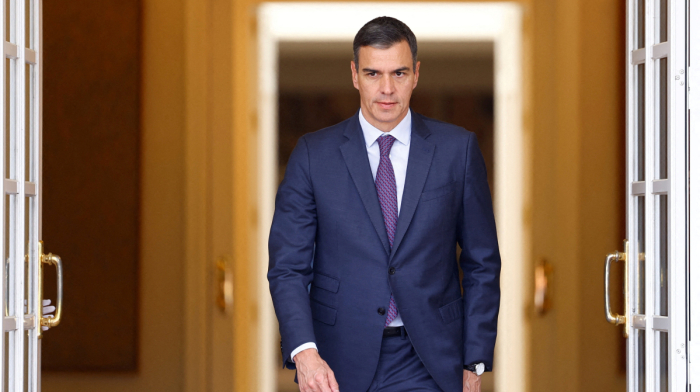
NATO leaders each gifted engraved revolver by Turkish President
Turkish President Recep Tayyip Erdoğan gifted each NATO leader a revolver engraved with their name, along with ammunition at the alliance’s summit ...
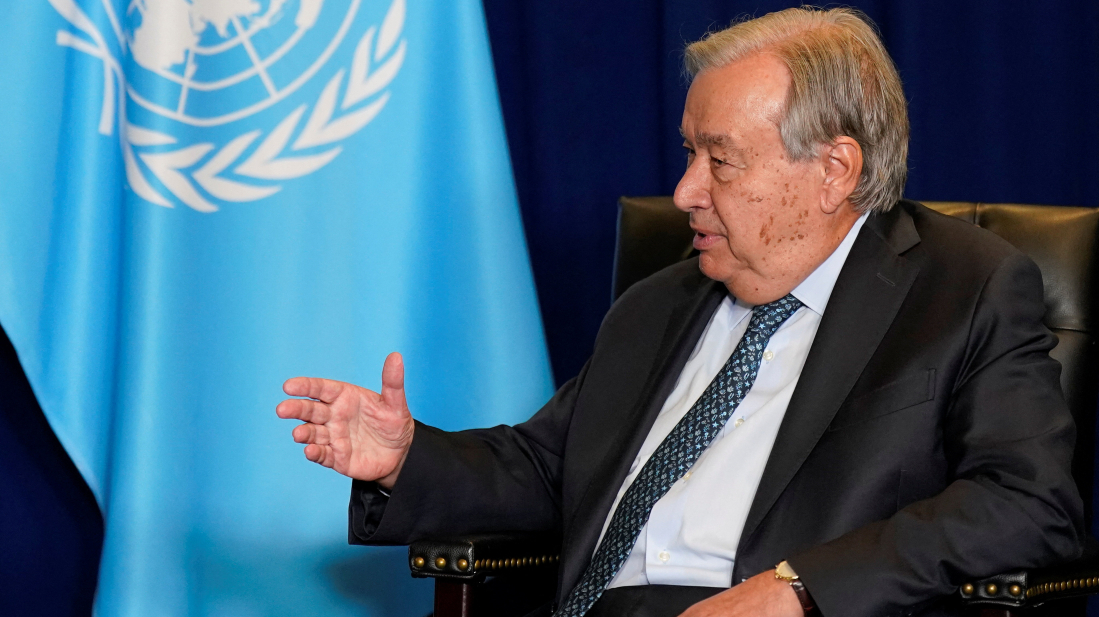
United Nations Secretary-General António Guterres warned on Wednesday that the global trading system is under severe strain from escalating tariffs, with developing nations bearing the brunt of the impact.
“The rules-based trading system is at risk of derailment,” Guterres told delegates at the UN Trade and Development conference in Geneva, highlighting rising trade barriers and fears of trade wars.
U.S. President Donald Trump’s tariff hikes since taking office in January have unsettled financial markets and injected widespread uncertainty into the global economy.
On 7 August, Trump sharply increased tariffs on imports from dozens of countries, leaving key trade partners such as Switzerland, Brazil, and India scrambling to negotiate more favourable terms.
“Supply chains are in turmoil, and trade barriers are climbing, with some of the least developed countries facing punitive tariffs of up to 40%, despite accounting for barely 1% of global trade flows,” Guterres said.
While the European Union has reached an agreement to cap tariffs at 15% on most goods exported to the United States, rates on products from the least developed nations remain far higher — Laos, for example, faces a 40% duty.
Earlier this month, the World Trade Organization cut its forecast for global merchandise trade volume growth in 2026 to 0.5%, citing the delayed effects of U.S. tariffs, a steep downgrade from its earlier August projection of 1.8%.
Trump’s tariff measures have also strained the global trade rules set by the WTO. In April, a former WTO chief warned that unless the organisation reforms swiftly, the future framework for international trade could be shaped outside the 30-year-old watchdog.

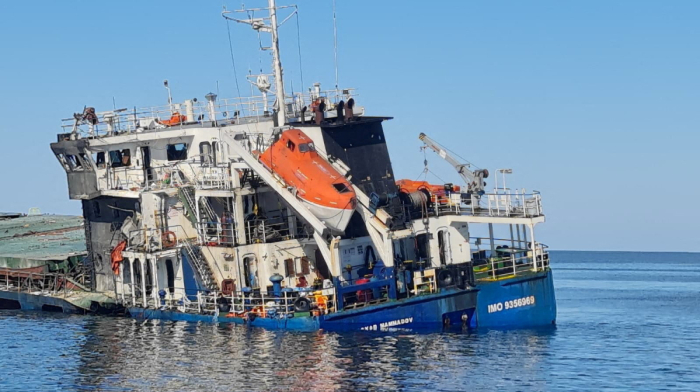
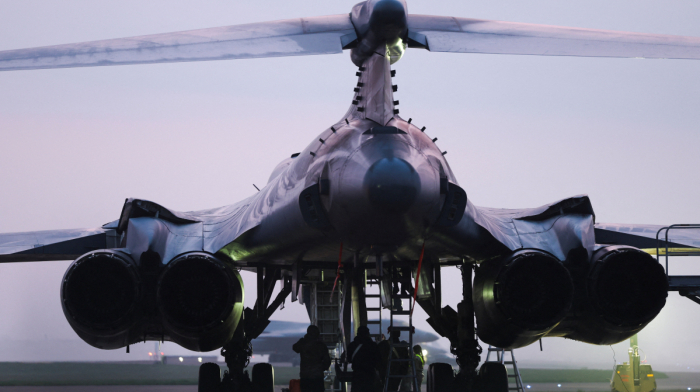
The U.S. says it has launched strikes on Iran after alleged attacks on three commercial vessels in the Strait of Hormuz. Washington described the action as a response to threats against civilian shipping and a breach of the ceasefire.
U.S. President Donald Trump said on Wednesday that the memorandum of understanding signed with Iran to end the conflict was "over", adding he did not want to engage with Tehran, calling the Iranian leadership "sick people".
NATO leaders are unveiling multi-billion-dollar arms deals in Ankara as President Donald Trump joins the summit, highlighting Europe's increased defence spending amid tensions over Russia and Iran, and following years of U.S. criticism of the alliance.
Mark Rutte, Secretary General of NATO, has described fresh U.S. strikes on Iran as "absolutely necessary," in remarks at the start of the second day of the alliance's sumit in the Turkish capital Ankara.
Start your day informed with the AnewZ Morning Brief. Here are the top stories for the 8th of July, covering the latest developments you need to know.
China's technology sector is producing billion-dollar startups at its fastest pace in nearly five years, with artificial intelligence and robotics driving a new wave of investment that is reshaping the country's innovation economy.
South Korea's Supreme Court has upheld former President Yoon Suk Yeol's seven-year prison sentence in a case linked to his 2024 attempt to impose martial law.
Germany has reached an agreement with the U.S. to purchase Tomahawk cruise missiles and deploy them on German territory, Chancellor Friedrich Merz told lawmakers in Berlin on Thursday.
Australia and India have finalised an agreement allowing Australian uranium exports for India's nuclear energy sector, expanding cooperation on clean energy, critical minerals and infrastructure as the two countries strengthen their strategic and economic partnership.
The death toll from Venezuela's twin earthquakes has risen to 3,811, according to figures released by National Assembly President Jorge Rodriguez on Wednesday.
You can download the AnewZ application from Play Store and the App Store.
What is your opinion on this topic?
Leave the first comment