Armenia–Azerbaijan ties lift economic outlook, Fitch says
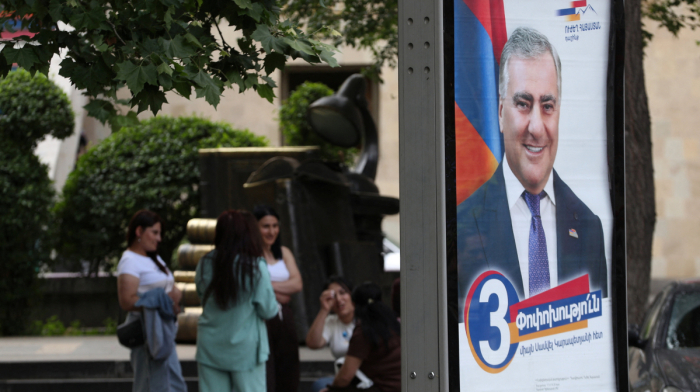
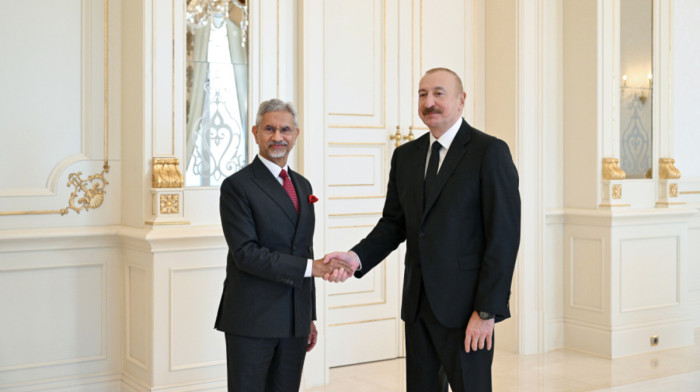
Fitch Ratings, one of the world’s three major credit rating agencies, says the start of trade and economic relations between Armenia and Azerbaijan ...
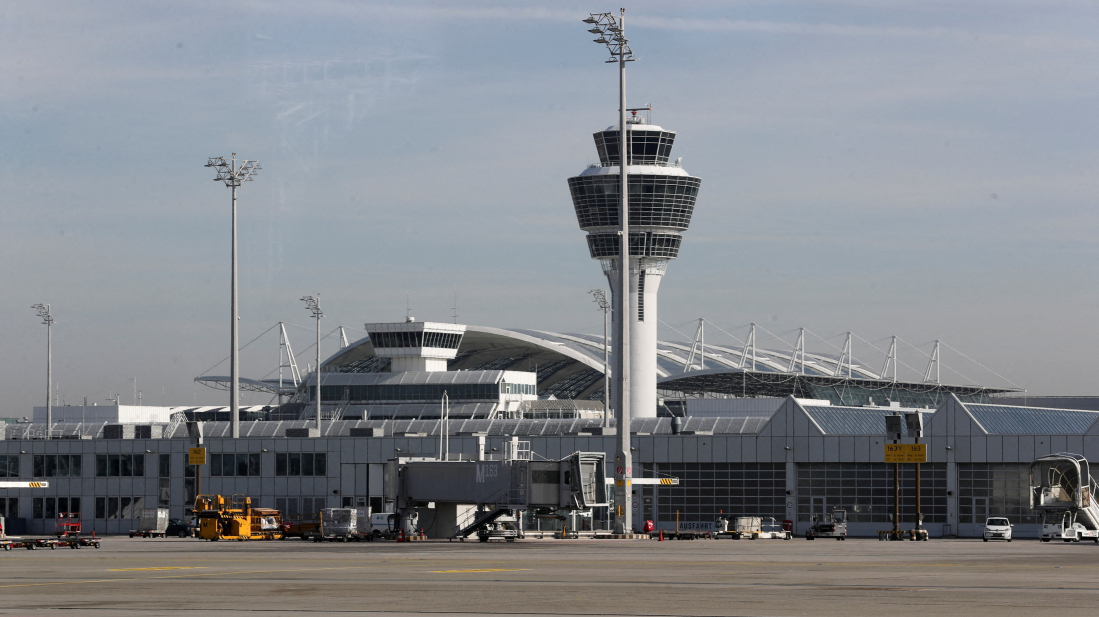
Germany's Munich airport reopened on 3 October after shutting overnight due to drone sightings that forced the cancellation or diversion of dozens of flights and heightened concerns about the vulnerability of critical infrastructure in Europe.
As operations resumed early on Friday morning, a Reuters witness saw passengers checking in for a flight to Varna in Bulgaria, and the departure board showed only a few flights had been cancelled.
The airport said several drone sightings late on Thursday evening had forced air traffic control to suspend operations, leading to the cancellation of 17 flights and disrupting travel for nearly 3,000 passengers, who were provided with camp beds, blankets and food.
Another 15 arriving flights were diverted to other cities including Stuttgart, Nuremberg, Vienna and Frankfurt, the airport said.
The drones were sighted in the late evening above the airport, a police spokesman told newspaper Bild. But because it was dark, the size and types of the drones could not be determined, he added.
The disruption in Munich is the latest in a string of similar drone incidents that have rattled European aviation and raised broader security concerns, coming after airspace intrusions temporarily shut airports in Denmark and Norway last week.
The incidents prompted a sharp response from European Union leaders, who backed plans at a summit in Copenhagen on Wednesday to bolster the bloc's defences with anti-drone measures.
"Europe must be able to defend itself," Danish Prime Minister Mette Frederiksen said after the meeting.
Authorities have not publicly blamed a specific actor for the Munich drone incident, but some European officials have suggested Russia is behind other recent airspace violations.
Russia has previously denied involvement in the drone activity.

At least four people were injured after a large fire and explosions hit a residential building in the Dutch city of Utrecht, authorities said.
A railway power outage in Tokyo disrupted the morning commute for roughly 673,000 passengers on Friday (16 January) as two main lines with some of the world's busiest stations were halted after reports of a fire.
Russian President Vladimir Putin has warned that the international situation is worsening and that the world is becoming more dangerous, while avoiding public comment on events in Venezuela and Iran.
President Donald Trump announced Thursday evening that the long-awaited “Board of Peace” to oversee Gaza’s reconstruction has officially been formed.
Armenian Prime Minister Nikol Pashinyan has formally asked Russia to take a decision on restoring strategic railway sections linking Armenia to the borders of Azerbaijan’s Nakhchivan exclave and Türkiye, as part of broader efforts to reopen transport corridors in the South Caucasus.
The White House has named senior U.S. and international figures to a so-called "Board of Peace" to oversee Gaza’s temporary governance under a plan unveiled by President Donald Trump on Friday.
Ukraine is sending a senior delegation to the U.S. for talks on security guarantees and a post-war recovery package, President Volodymyr Zelenskyy said on Friday, adding that agreements could be signed at the World Economic Forum in Davos next week.
Start your day informed with AnewZ Morning Brief: here are the top news stories for the 17th of January, covering the latest developments you need to know.
More than 3,000 people have been killed in Iran’s nationwide protests, according to rights activists, as monitors reported a slight return of internet connectivity following an eight-day shutdown.
Ukrainian President Volodymyr Zelenskyy said on Friday that allied supplies of air defence systems and missiles were insufficient as Russia prepares new large-scale attacks.
You can download the AnewZ application from Play Store and the App Store.
What is your opinion on this topic?
Leave the first comment