Denmark urges EU to tighten Russian visa restrictions after alleged assassination plot
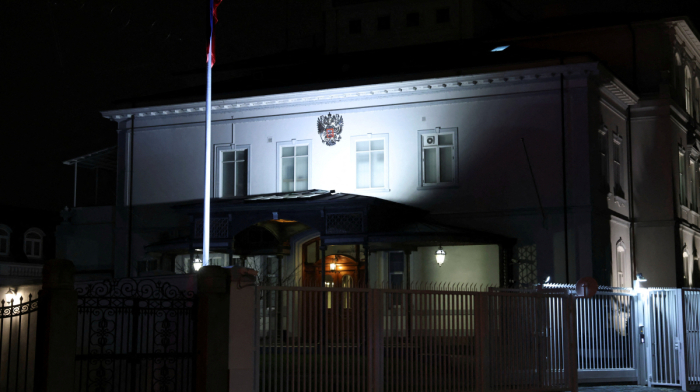
Denmark has urged European Union countries to introduce tougher travel restrictions on Russian nationals following allegations that Moscow's in...
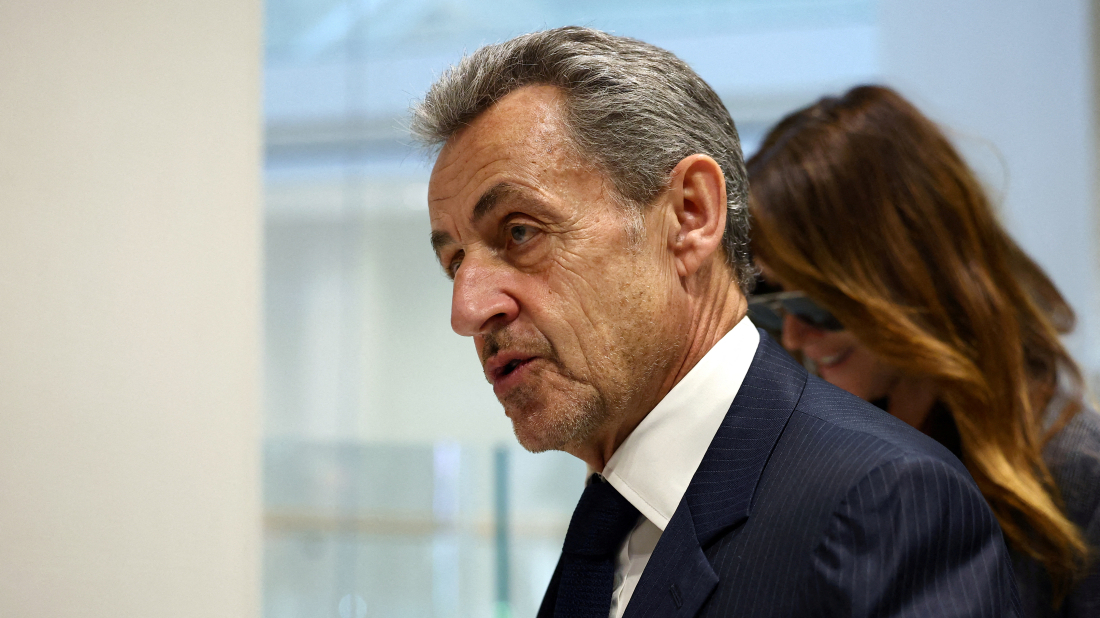
Former French president Nicolas Sarkozy will learn his fate in a corruption trial on Thursday in which he is accused of taking millions of euros from late Libyan strongman Muammar Gaddafi to help finance his 2007 election campaign.
French prosecutors have requested a seven-year jail sentence for Sarkozy, who was president from 2007 to 2012.
He can appeal if found guilty, which would likely suspend his sentence.
The 70-year-old has been on trial since January on charges of "concealing the embezzlement of public funds, passive corruption, illegal campaign financing and criminal conspiracy with a view to committing a crime".
Investigators allege he made a corrupt pact with the Libyan government involving Libyan spies, a convicted terrorist, arms dealers and allegations that Gaddafi provided Sarkozy's campaign with millions of euros shipped to Paris in suitcases.
Sarkozy has repeatedly denied any guilt, and said the case is politically motivated.
Despite lingering legal headaches, and having his Legion of Honour, France's highest distinction, stripped in June, Sarkozy remains an influential figure on the French political stage.
He recently met with his former protege, Prime Minister Sebastien Lecornu, and has also lent credibility to the National Rally (RN), led by Marine Le Pen, saying the far-right, anti-immigrant party now forms part of the "republican arc."
Sarkozy has faced legal battles since leaving office.
Last year, France's highest court upheld his conviction for corruption and influence peddling, ordering him to wear an electronic tag for a year, a first for a former French head of state. The tag has now been removed.
Also last year, an appeals court confirmed a separate conviction for illegal campaign financing over his failed re-election bid in 2012.
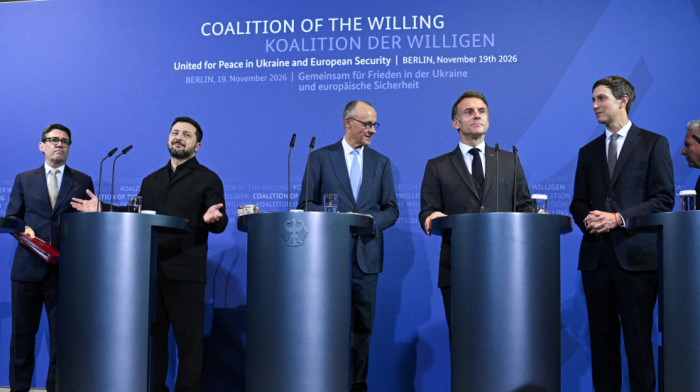
European leaders backing Ukraine met in Berlin on Thursday 19 November and warned that no peace deal should be settled without them.
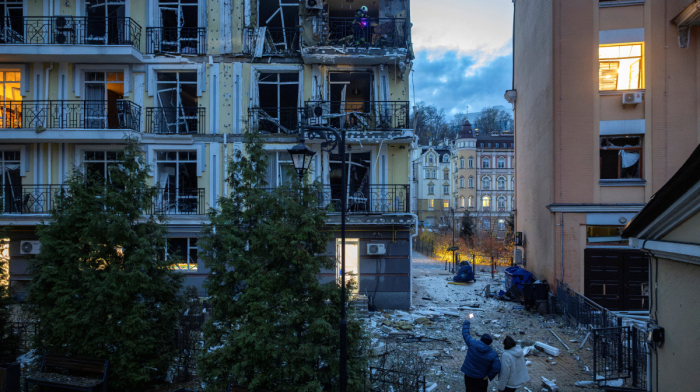
Three people have been killed and around 15 injured after Russian ballistic missiles struck three bridges over the Dnipro River in Kyiv, according to the Ukrainian capital’s mayor, Vitali Klitschko.
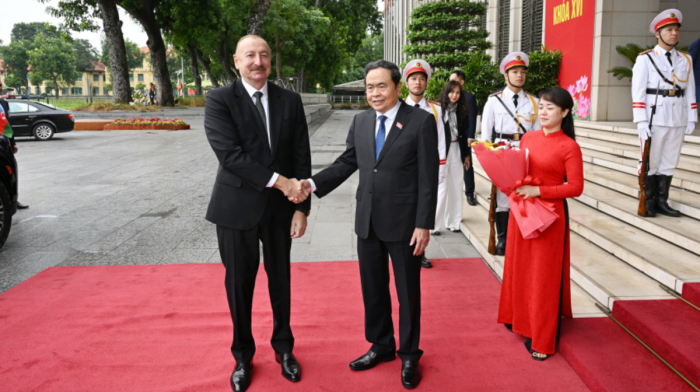
Azerbaijani President Ilham Aliyev met Vietnamese Prime Minister Le Minh Hung in Hanoi on 20 November, during a visit highlighting the longstanding friendship and growing strategic partnership between the two countries.
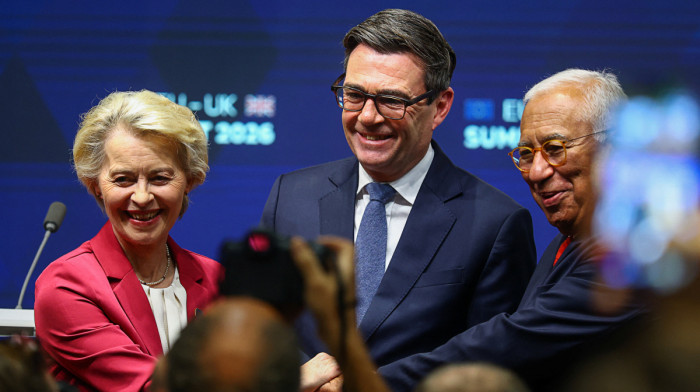
Britain and the European Union have reached an agreement to ease trade, expand opportunities for young people and deepen economic ties, in a major step towards rebuilding relations after Brexit.
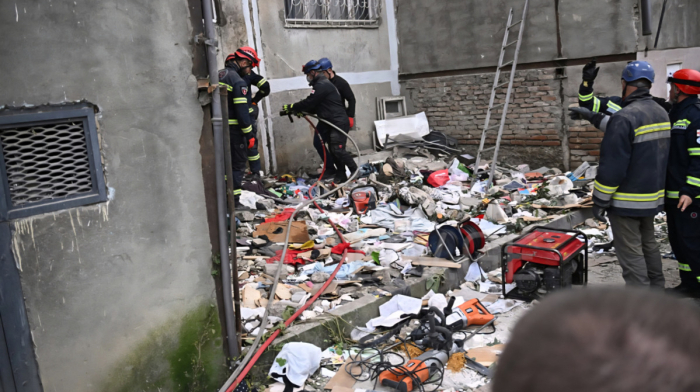
Georgia has declared 22 November 2026 a national day of mourning following a deadly residential building collapse in the Kvemo Ponichala district of Tbilisi.
Denmark has urged European Union countries to introduce tougher travel restrictions on Russian nationals following allegations that Moscow's intelligence services attempted to assassinate a U.S.-Ukrainian rapper on Danish soil.
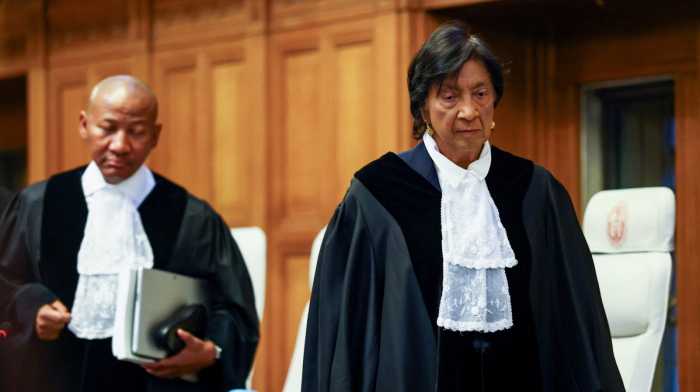
The International Court of Justice (ICJ) is the United Nations’ highest court. Known as the World Court, it is the only international court where countries take each other to court over breaches of international law.
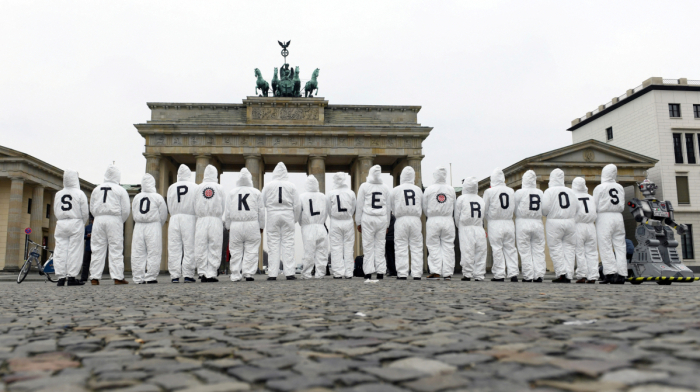
Talks at the United Nations (UN) on weapons that can operate with little or no human oversight ended in Geneva on Saturday (21 November) with a commitment to draw up new rules by 2028.
The UN global fund for education in emergencies, Education Cannot Wait (ECW), has announced $52 million in funding to support around 300,000 children affected by crises in Lebanon, Myanmar and South Sudan.
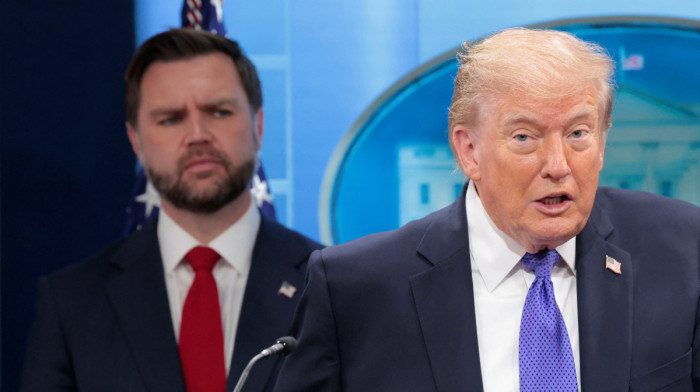
U.S. President Donald Trump has announced that American companies will face heavy penalties if they build data centres outside the country. He said the new policy was one he had not yet discussed with his own staff.
You can download the AnewZ application from Play Store and the App Store.
What is your opinion on this topic?
Leave the first comment