live Ceasefire strains as Israel intensifies attacks on Hezbollah in Lebanon killing hundreds - Thursday 9 April
Iran suggested it would be "unreasonable" to proceed with talks to forge a permanent peace d...
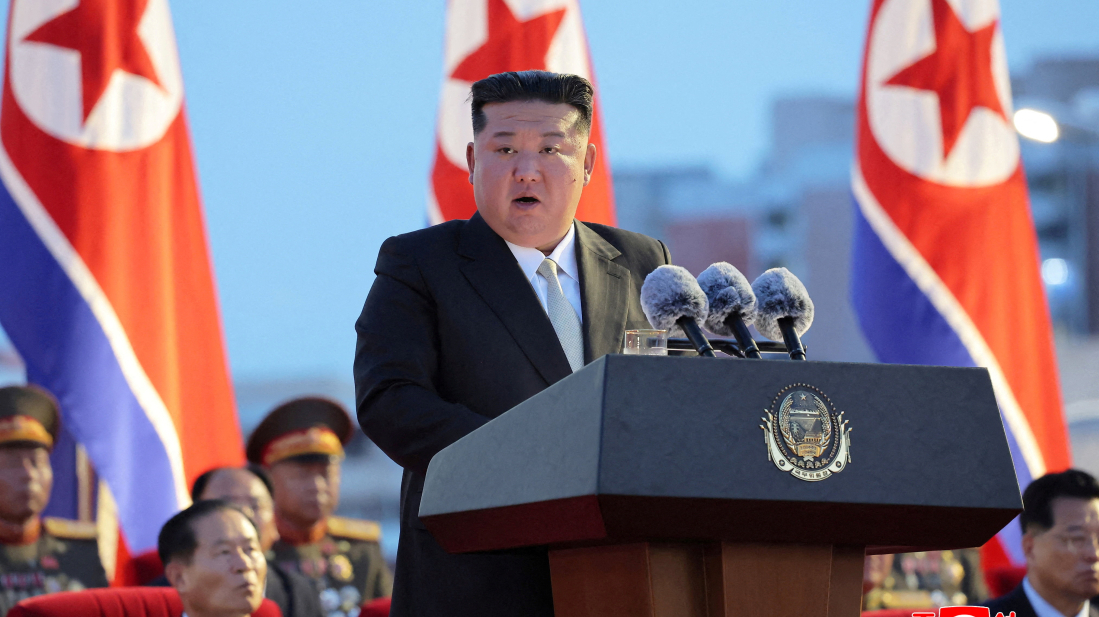
North Korea is increasingly using the death penalty, including against people caught watching or sharing foreign films and TV dramas, according to a new United Nations human rights report.
The UN Human Rights Office said Pyongyang has expanded its use of executions while subjecting citizens to harsher restrictions and forced labour, tightening state control over “all aspects of life.”
The report, based on more than 300 interviews with escapees over the past decade, found that at least six new laws since 2015 have broadened crimes punishable by death. These include distributing foreign media, which Kim Jong Un’s government views as a threat to its grip on information.
Interviewees said public executions, often by firing squad, have increased since 2020, intended to instil fear and deter violations. One escapee, Kang Gyuri, told that three of her friends were executed after being caught with South Korean content.
“When a 23-year-old friend was tried, he was sentenced to death alongside drug criminals. These crimes are treated the same now,” she said.
The UN report also warned of worsening food insecurity, with most people unable to eat three meals a day. Conditions deteriorated further during the Covid pandemic, when informal marketplaces were restricted and hunger spread nationwide.
Escapees described how border controls were tightened, with soldiers ordered to shoot those attempting to flee to China.
UN High Commissioner for Human Rights Volker Türk said North Koreans face “suffering, brutal repression and fear” unless conditions change. The report concluded that advances in surveillance technology have made state monitoring more pervasive, leaving citizens unable to make their own economic, social or political decisions.
One escapee said the government’s crackdown was meant “to block people’s eyes and ears,” eliminating any sign of dissatisfaction.

China and Russia vetoed a United Nations Security Council resolution on Tuesday aimed at coordinating defensive efforts to protect commercial shipping in the Strait of Hormuz, leaving no agreed international framework for securing the vital route.
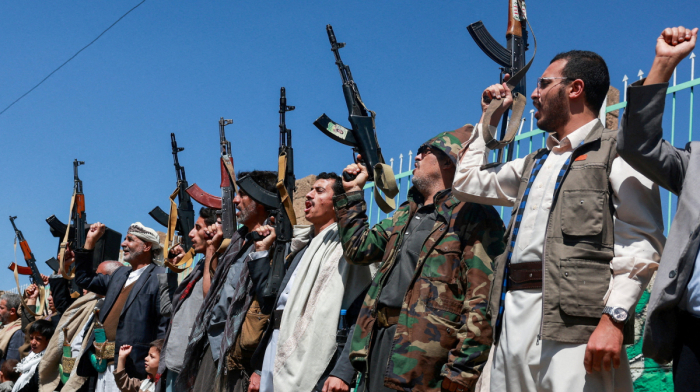
Lebanon’s Hezbollah said it had stopped firing on northern Israel and Israeli forces on Wednesday as part of a two-week ceasefire in the Middle East brokered between the United States and Iran. However, a Hezbollah lawmaker warned that the pause could collapse if Tel Aviv does not adhere to it.
Pakistan’s Prime Minister Shehbaz Sharif said Iran and the United States, along with their allies, have agreed to an immediate two-week ceasefire covering all areas, but Israel says the deal excludes Lebanon. Tel Aviv says the U.S. is committed to achieving shared goals in upcoming negotiations.
Recent U.S. complaints about NATO allies and threats to quit the alliance are pushing European countries to seek alternative security arrangements, Spanish Foreign Minister Jose Manuel Albares said on Tuesday.
Construction has begun on a major new solar power project in Xizang, as China continues to expand its renewable energy capacity and push towards a greener future.
A barrage of Russian drones targeted and damaged a critical power substation in Ukraine's southern Odesa region on Wednesday, Ukrainian officials confirmed.
Start your day informed with the AnewZ Morning Brief. Here are the top stories for 9 April, covering the latest developments you need to know.
Greece will ban access to social media for children under 15 from 1 January 2027, Prime Minister Kyriakos Mitsotakis said on Wednesday, citing rising anxiety, sleep problems and the addictive design of online platforms.
Trade discussions between China and the U.S. are expected to remain virtual for now, with no major investment initiatives planned before a potential meeting between Xi Jinping and Donald Trump, according to U.S. Trade Representative Jamieson Greer.
The Russian T-90M tank is worth an estimated $4.5 million and was designed to dominate the battlefield. Yet this steel giant has repeatedly been destroyed by something far smaller, faster and thousands of times cheaper: the drone.
You can download the AnewZ application from Play Store and the App Store.
What is your opinion on this topic?
Leave the first comment