live U.S.-Iran standoff continues as Hormuz shipping and diplomacy remain uncertain
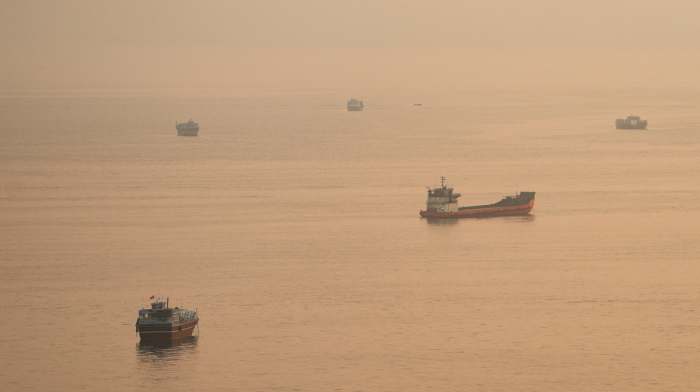
Shipping traffic through the Strait of Hormuz remains limited on Thursday, with no increase in vessel crossings as U.S.-Iran talks to res...
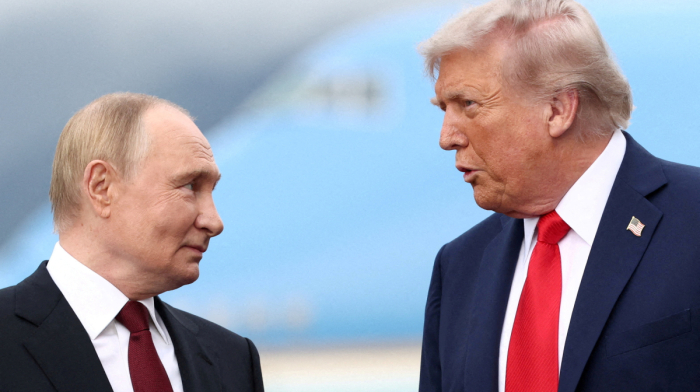
Moscow maintains that negotiations between Russia and Ukraine should continue, but stresses that progress is only possible if what it calls the “new territorial realities” are acknowledged.
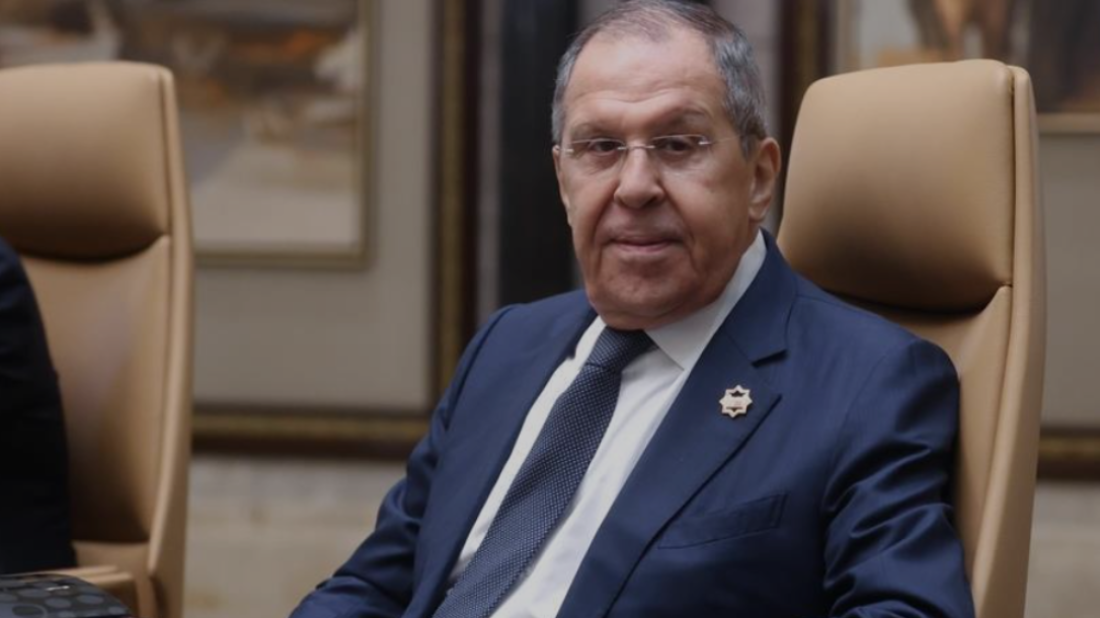
In remarks published on Wednesday, Russian Foreign Minister Sergei Lavrov argued that these realities must not only be recognised, but also formally enshrined in international legal documents. According to him, this is a necessary condition for any settlement to be “durable and lasting.”
Lavrov, speaking to Russia’s Interfax news agency, went further by insisting that peace cannot be achieved in isolation. He said that a comprehensive system of security guarantees must be developed, one that covers both Russia and Ukraine. Such a framework, in his view, should serve as an integral component of a pan-continental security architecture across Eurasia—an arrangement based on what Moscow terms “equal and indivisible security.”
By linking the conflict to a wider regional order, Lavrov positioned Russia’s demands not only as a bilateral issue with Ukraine, but also as part of a broader vision for Eurasian stability. He suggested that without acknowledging the shifts on the ground and creating a new balance of security, peace efforts would lack credibility and permanence.

The collective-defence agreement between Türkiye, Saudi Arabia and Pakistan signals that regional powers no longer want to rely solely on external security guarantees. Whether it becomes a stabilising deterrent or another axis of rivalry remains unresolved.
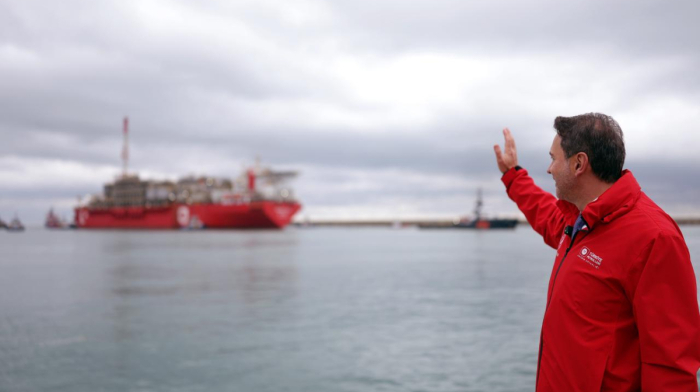
Shipping through the Strait of Hormuz has slowed, according to the latest data, as uncertainty over the waterway’s reopening kept most shipowners away. Six commodity vessels crossed the strait on Tuesday, down from nine the day before and below the 10-day daily average of 11.
Shipping traffic through the Strait of Hormuz remains limited on Thursday, with no increase in vessel crossings as U.S.-Iran talks to resolve the conflict remained stalled. Nine commodity vessels transited the key waterway on Wednesday, unchanged from the previous day, according to Kpler data.
Iran has said the Strait of Hormuz will remain closed until the U.S. fulfils the terms of an interim deal, including lifting the maritime blockade and sanctions and releasing Iran’s frozen assets.
Start your day informed with AnewZ Morning Brief. Here are the top news stories for the 19th of August, covering the latest developments.
Shipping traffic through the Strait of Hormuz remains limited on Thursday, with no increase in vessel crossings as U.S.-Iran talks to resolve the conflict remained stalled. Nine commodity vessels transited the key waterway on Wednesday, unchanged from the previous day, according to Kpler data.
North Korea has fired more than 10 short-range ballistic missiles after U.S. President Donald Trump reduced American participation in joint military exercises with South Korea in an effort to revive dialogue with Pyongyang.
Georgia’s foreign trade data for January-July 2026 shows Kyrgyzstan, China and Russia as its top three export markets, highlighting its Middle Corridor ambitions and complex economic ties with Moscow.
Kazakhstan will vote on 23 August in its first parliamentary election under the new Constitution, choosing 145 members of the new Kurultai under a fundamentally changed electoral system based entirely on party lists.
Five years after Evergrande's debt crisis rattled global markets, founder Hui Ka Yan has been sentenced to life in prison, marking a dramatic new chapter in the downfall of China's former property giant.
You can download the AnewZ application from Play Store and the App Store.
What is your opinion on this topic?
Leave the first comment