live Ceasefire strains as Israel intensifies attacks on Hezbollah in Lebanon killing hundreds - Thursday 9 April
Iran suggested it would be "unreasonable" to proceed with talks to forge a permanent peace d...
Germany has told its nationals to leave Iran and refrain from travelling there to avoid getting caught in retaliatory acts by Tehran over Germany's role in triggering United Nations sanctions on Iran over its nuclear programme.
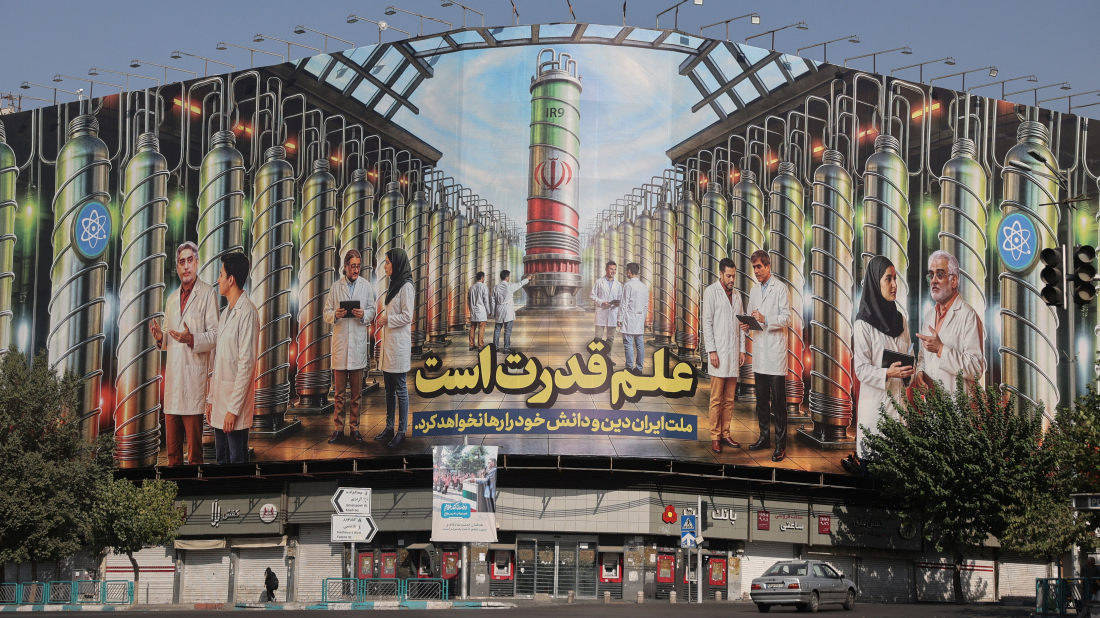
The move comes after Britain, France and Germany on Thursday launched a 30-day process to reimpose UN sanctions on Iran over its disputed nuclear programme, a step likely to stoke tensions two months after Israel and the United States bombed Iran.
A senior Iranian official quickly accused the three European powers of harming diplomacy and vowed that Tehran would not bow to pressure over the move by the E3 to launch the so-called 'snapback mechanism'.
"As Iranian government representatives have repeatedly threatened with consequences in this case, it cannot be ruled out that German interests and nationals will be affected by countermeasures in Iran," Germany's foreign ministry said in a statement posted on its website on Thursday.
"Currently, the German Embassy in Tehran can only provide limited consular assistance on site," it warned.
French Foreign Minister Jean-Noel Barrot said on Thursday, the decision to launch the 'snapback mechanism' did not signal the end of diplomacy. His German counterpart Johann Wadephul urged Iran to now fully cooperate with the U.N. nuclear watchdog agency and commit to direct talks with the United States over the next month.
Meanwhile, Iran's Foreign Minister Abbas Araghchi said in a letter to the European Union's Foreign Policy Chief Kaja Kallas that any E3 efforts to revive UN Security Council resolutions that were terminated under resolution 2231 are invalid and ineffective.
However, he added that Iran is ready to resume diplomatic negotiations provided that other parties demonstrate seriousness and goodwill.
Tehran has always denied producing nuclear weapons.
Meanwhile, Russia says it condemns the move by E-3 to reimpose UN sanctions on Iran.

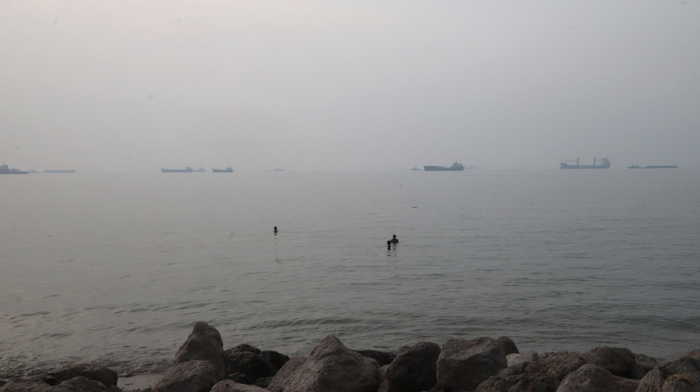
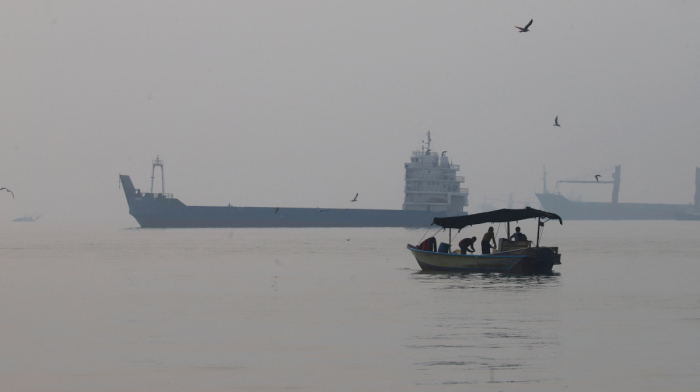
China and Russia vetoed a United Nations Security Council resolution on Tuesday aimed at coordinating defensive efforts to protect commercial shipping in the Strait of Hormuz, leaving no agreed international framework for securing the vital route.
Lebanon’s Hezbollah said it had stopped firing on northern Israel and Israeli forces on Wednesday as part of a two-week ceasefire in the Middle East brokered between the United States and Iran. However, a Hezbollah lawmaker warned that the pause could collapse if Tel Aviv does not adhere to it.
Pakistan’s Prime Minister Shehbaz Sharif said Iran and the United States, along with their allies, have agreed to an immediate two-week ceasefire covering all areas, but Israel says the deal excludes Lebanon. Tel Aviv says the U.S. is committed to achieving shared goals in upcoming negotiations.
Recent U.S. complaints about NATO allies and threats to quit the alliance are pushing European countries to seek alternative security arrangements, Spanish Foreign Minister Jose Manuel Albares said on Tuesday.
Construction has begun on a major new solar power project in Xizang, as China continues to expand its renewable energy capacity and push towards a greener future.
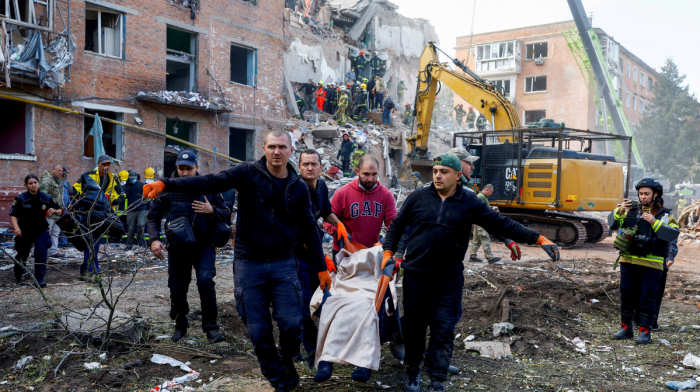
A barrage of Russian drones targeted and damaged a critical power substation in Ukraine's southern Odesa region on Wednesday, Ukrainian officials confirmed.
Start your day informed with the AnewZ Morning Brief. Here are the top stories for 9 April, covering the latest developments you need to know.
Greece will ban access to social media for children under 15 from 1 January 2027, Prime Minister Kyriakos Mitsotakis said on Wednesday, citing rising anxiety, sleep problems and the addictive design of online platforms.
Trade discussions between China and the U.S. are expected to remain virtual for now, with no major investment initiatives planned before a potential meeting between Xi Jinping and Donald Trump, according to U.S. Trade Representative Jamieson Greer.
The Russian T-90M tank is worth an estimated $4.5 million and was designed to dominate the battlefield. Yet this steel giant has repeatedly been destroyed by something far smaller, faster and thousands of times cheaper: the drone.
You can download the AnewZ application from Play Store and the App Store.
What is your opinion on this topic?
Leave the first comment