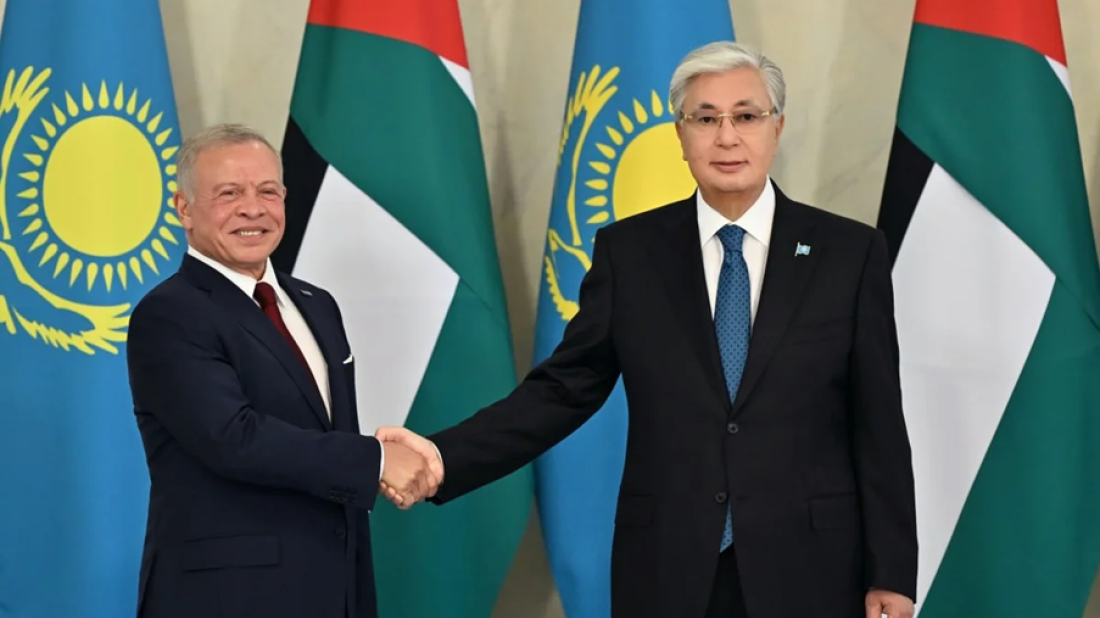
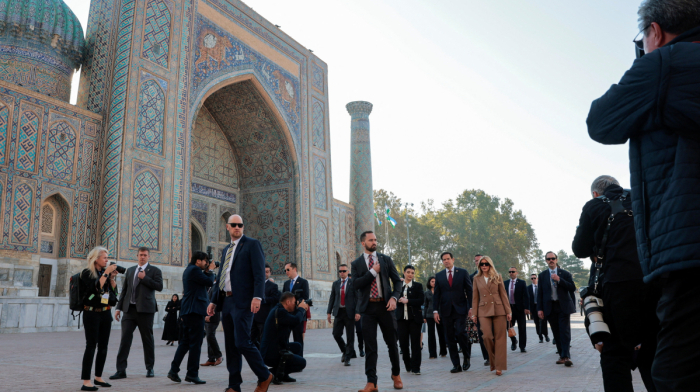
On 26 August 2025, King Abdullah II of Jordan began a landmark tour of Central Asia. From 25 to 26 August he paid a state visit to Uzbekistan, where he held talks with President Shavkat Mirziyoyev, before travelling to Kazakhstan on 26 August for meetings with President Kassym-Jomart Tokayev.
The tour is intended to elevate Jordan’s relations with the two Central Asian nations to a new level of comprehensive strategic partnership, spanning trade, investment, security and humanitarian cooperation.
In Uzbekistan, King Abdullah and President Mirziyoyev discussed expanding economic ties, boosting tourism and diversifying bilateral trade. The talks resulted in the signing of 15 agreements, including deals on mutual investment protection, visa liberalisation, and cooperation in science, education, agriculture and tourism. The two sides also agreed to establish an Intergovernmental Commission and a Business Council, both expected to convene before the end of the year. Mirziyoyev praised Abdullah’s “Aqaba Process” initiative against terrorism and extremism, proposing that one of its future sessions be hosted in Samarkand.
Later on 26 August, the Jordanian monarch arrived in Kazakhstan. The visit builds on momentum from Tokayev’s trip to Amman in February 2025. In Astana, the agenda includes investment, energy, agriculture, pharmaceuticals, digitalisation and tourism, as well as regional and international security.
A key highlight will be the Kazakhstan–Jordan Business Forum, bringing together around 300 entrepreneurs and investors. Among the projects under discussion are exports of Kazakh wheat to Middle Eastern markets, construction of a poultry breeding facility with Jordanian capital, entry of Jordanian pharmaceutical producers into Kazakhstan, and expanded cooperation on veterinary medicines.
Partnerships are also developing in the digital and educational spheres. Memoranda have been signed between IT hubs and universities, with the first group of Jordanian students already beginning their studies in Astana. Another agreement sets the framework for cooperation on the peaceful use of nuclear energy. In parallel, joint infrastructure and construction projects are being explored with Jordanian investment funds.
Aviation is another priority. According to Kazakhstan’s Foreign Ministry, the legal framework for direct flights between Amman and Astana has been finalised, with the first services scheduled to launch in June 2026, twice weekly. Jordan has confirmed its readiness to subsidise the route in its initial phase to ensure passenger demand and long-term sustainability.
King Abdullah’s visit to Uzbekistan and Kazakhstan marks the first such tour by a Jordanian leader in the history of bilateral relations and signals a shared commitment to move beyond protocol towards concrete steps in building long-term strategic partnerships with Central Asia.













What is your opinion on this topic?
Leave the first comment