Hondurans will go to the polls on Sunday, 30 November, in a tightly contested presidential election marked by heated accusations of fraud.
The stakes are high in one of Latin America's poorest countries, with voters deciding not only the presidency but also all 128 congressional seats and thousands of local officials.
The presidential race is extremely close.
Nasry Asfura, former mayor of Tegucigalpa and candidate of the conservative National Party, is virtually tied in the polls with Rixi Moncada, former defense minister representing the ruling leftist LIBRE Party, and Salvador Nasralla, a television host representing the centrist Liberal Party.
Analysts warn that the closeness of the vote could lead to contested results, heightening tensions across the country.
Ahead of the election, Honduras has deployed armed forces and national police to safeguard polling stations and deliver electoral materials.
Army Commander General Hector Valerio emphasised the military’s readiness to defend the electoral process against any interference.
Ana Paola Hall, President Counselor of the National Electoral Council (CNE), assured the public that elections would proceed without interruptions and urged citizens to vote with confidence.
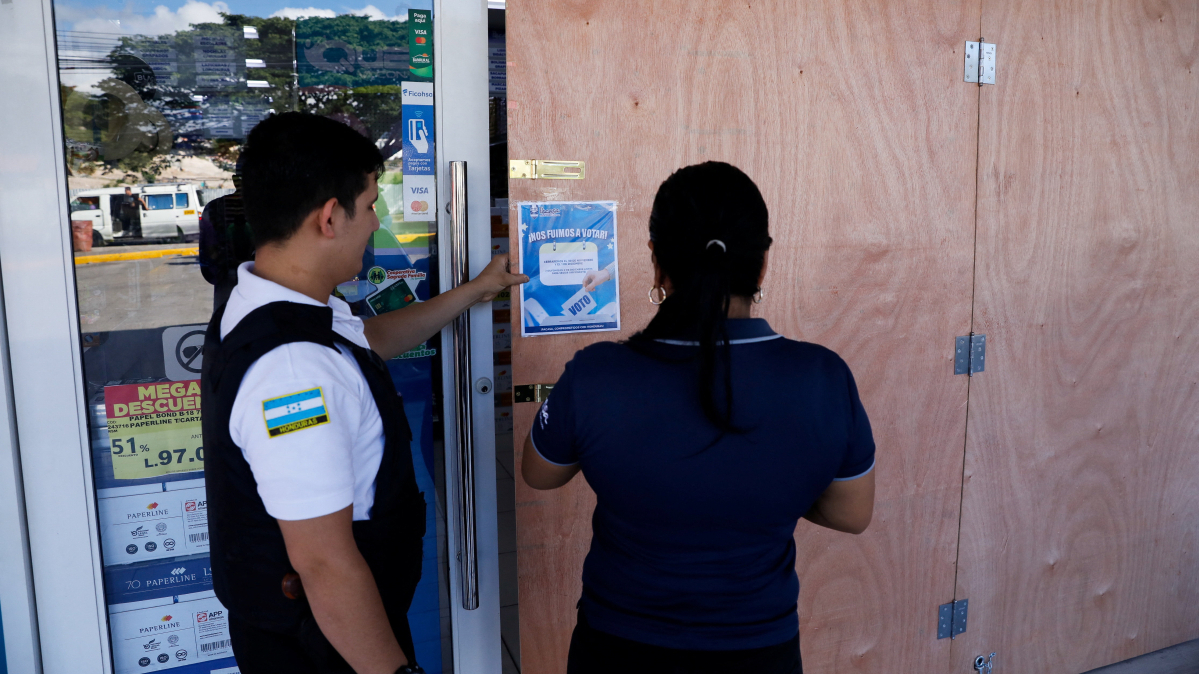
Preparations included trucks delivering voting materials, police patrolling streets, and businesses boarding up windows in case of potential disturbances.
Local resident Olivia Hernandez expressed hope that the election would remain a peaceful civic celebration.
"I hope that everyone is at peace, that this becomes a civic celebration, because it is an opportunity given to us as citizens to be able to exercise our vote and choose the candidate that we think has better expectations for our country," she said.
Voter Alvaro Flores said “People are very anxious, there is a lot of anxiety about what will happen tonight or tomorrow, especially in the private sector. I work in the private sector and everything has come to a standstill, Christmas dinners, meetings, everyone is hoping that everything will turn out well.”
Hugo Bustillos voiced concern over foreign influence, particularly by the United States, highlighting its historical role in Latin American politics and the economy, and warning that external interference remains a potential factor.
"We know that the United States is the great elector, it is a superpower and the hegemony it presents all the time in these countries. Let's remember that they are the biggest buyers of our production, and we also know that the United States will always have an opinion, and that it always interferes in Latin America," he said.
The Honduran election has drawn attention from the United States. President Donald Trump publicly backed Asfura, citing potential cooperation on combating drug trafficking.
Honduras’ government under President Xiomara Castro (in office since 2021) maintains close ties with Cuba and Venezuela, which the Trump administration views as dictatorships.
The winner of the presidential election will govern from 2026 to 2030, inheriting a nation grappling with poverty, political polarization, and concerns about transparency. Citizens’ participation and the peaceful conduct of the vote are being closely watched both domestically and internationally.










What is your opinion on this topic?
Leave the first comment