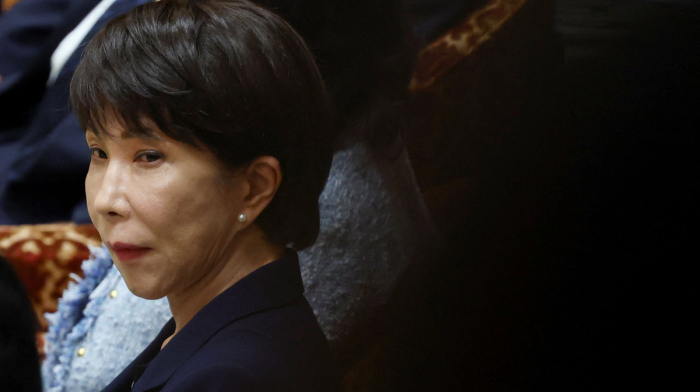
UK MPs reject social media ban for under-16s despite pressure
British MPs have rejected a proposal to introduce an Australia-style ban on social media for under-16s, opting ins...
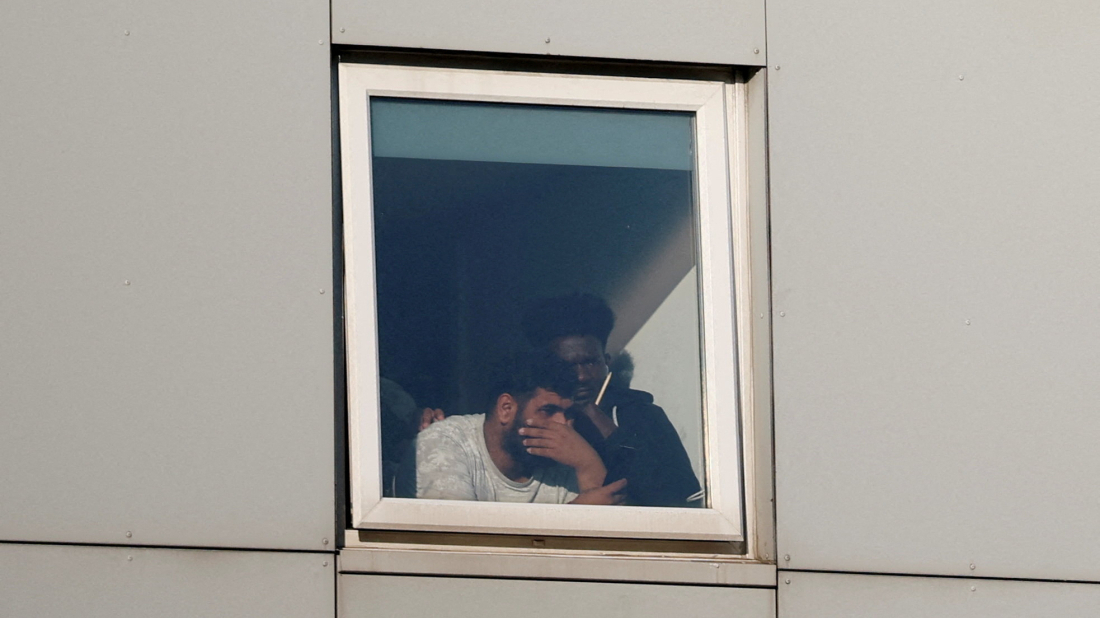
Anti-migrant protests persisted across Britain on Sunday outside hotels housing asylum seekers, a day after police separated demonstrators and counter-protesters in several cities as tensions over immigration policies grew.
Immigration has become the public’s top concern in polls, adding pressure on Prime Minister Keir Starmer’s Labour government to deliver on its promise to end the costly reliance on hotels, which runs into billions of pounds each year.
Recent weeks have seen regular protests outside hotels, fuelled partly by concerns about safety after a migrant housed east of London was charged with sexual assault. On Sunday, demonstrations took place in Epping, Bristol and Birmingham.
A court ruling last week ordered the removal of asylum seekers from a hotel in Epping, a site that has become a flashpoint for anti-immigration protests. The government has appealed the decision. Protesters gathered again there on Sunday, waving flags and holding placards reading “Epping says no” and “Stop the boats.”
Smaller anti-immigration rallies were also held on Saturday across towns and cities in England, Scotland and Wales.
Official figures released on Thursday showed asylum claims have reached record levels, with more migrants in hotels compared with a year earlier.
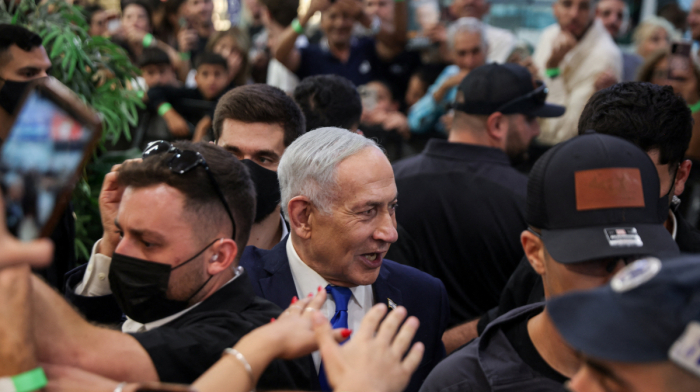
Nigel Farage, leader of the populist Reform UK party which has topped recent voting intention polls, told The Times he would pursue mass deportations if elected, including leaving the European Convention on Human Rights, striking repatriation deals with states such as Afghanistan and Eritrea, and creating holding sites for 24,000 migrants.
On Sunday, the Labour government announced reforms to the asylum appeals process aimed at cutting delays, reducing the backlog of 106,000 cases, and phasing out hotel use. Under the plan, an independent adjudicators’ body would be created to handle appeals.
Interior Minister Yvette Cooper said the system had been left in “complete chaos” by the previous government and pledged to restore control. “We cannot carry on with these completely unacceptable delays,” she said.

Mojtaba Khamenei, son of the late Ayatollah Ali Khamenei, is a hardline cleric with strong backing from the Islamic Revolutionary Guard Corps. His rise signals continuity in Tehran's anti-Western policies.
Global oil prices surpassed $119 a barrel on Monday (9 March, 2026), an almost four year high, as the Middle East conflict rumbled on.
China has urged Afghanistan and Pakistan to resolve their dispute through dialogue after Chinese envoy Yue Xiaoyong met Afghan Foreign Minister Amir Khan Muttaqi, as fighting between the two neighbours entered its eleventh day.
Iran named Mojtaba Khamenei to succeed his father Ali Khamenei as supreme leader on Monday (9 March), signaling that hardliners remain firmly in charge, as the week-old U.S.-Israeli war with Iran pushed oil above $100 a barrel.
Entry and exit across the state border between Azerbaijan and Iran for all types of cargo vehicles, including those in transit, will resume on 9 March, according to a statement by the Cabinet of Ministers of Azerbaijan.
British MPs have rejected a proposal to introduce an Australia-style ban on social media for under-16s, opting instead to give ministers flexible powers to impose restrictions on platforms.
Australia has granted humanitarian visas to five Iranian women footballers who sought asylum, fearing persecution after refusing to sing their national anthem at an Asia Cup match.
Start your day informed with AnewZ Morning Brief. Here are the top news stories for the 10th of March, covering the latest developments you need to know.
U.S. President Donald Trump called his recent phone conversation with Russian President Vladimir Putin “very good.” The two leaders spoke on Monday about the situation in Iran and other international issues.
Welcome to our live coverage as the conflict involving Iran enters its 11th day. Tensions in the region remain high as the United States and Iran exchange increasingly sharp warnings over the strategic Strait of Hormuz, a critical artery for global oil supplies.
You can download the AnewZ application from Play Store and the App Store.
What is your opinion on this topic?
Leave the first comment