live U.S.-Iran standoff continues as Hormuz shipping and diplomacy remain uncertain
Shipping traffic through the Strait of Hormuz remains limited on Thursday, with no increase in vessel crossings as U.S.-Iran talks to res...
The Pentagon has reportedly been blocking Ukraine's use of U.S.-made ATACMS missiles to strike targets inside Russia, limiting Kyiv's defense capabilities, as President Donald Trump grows increasingly frustrated over the stalled peace process with Moscow.
The Pentagon has been quietly restricting Ukraine's use of U.S.-made Army Tactical Missile Systems (ATACMS) to target Russian positions, limiting Kyiv's capacity to utilize these weapons in its defense against Moscow’s invasion, according to a Wall Street Journal report on Saturday (August 23), citing U.S. officials.
This development comes as U.S. President Donald Trump has expressed growing frustration over the ongoing three-year conflict and his failure to broker a peace agreement between Russia and Ukraine.
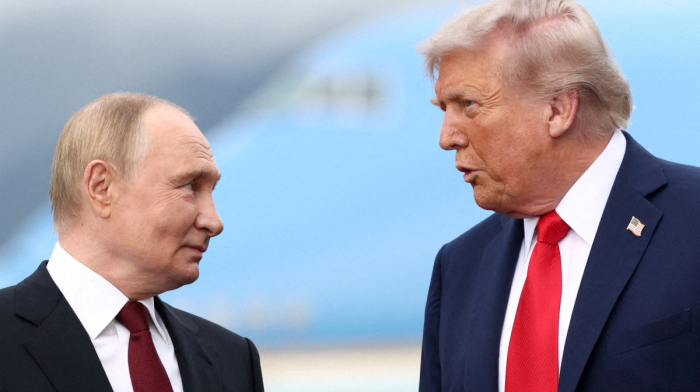
After a summit with Russian President Vladimir Putin and a subsequent meeting with European leaders and Ukrainian President Volodymyr Zelenskyy yielded little progress, Trump indicated on Friday (August 22) that he was contemplating reimposing economic sanctions on Russia or, alternatively, withdrawing from the peace talks.

The collective-defence agreement between Türkiye, Saudi Arabia and Pakistan signals that regional powers no longer want to rely solely on external security guarantees. Whether it becomes a stabilising deterrent or another axis of rivalry remains unresolved.
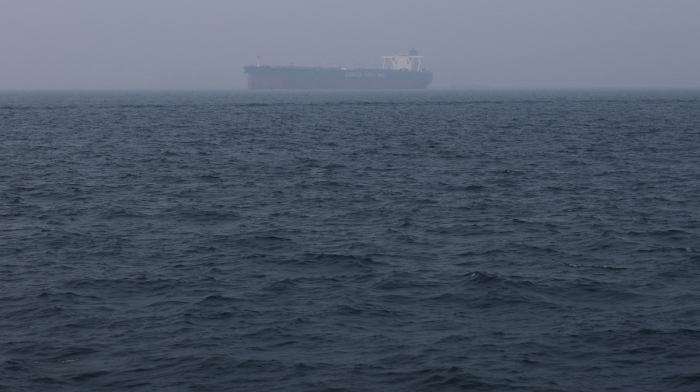
Shipping through the Strait of Hormuz has slowed, according to the latest data, as uncertainty over the waterway’s reopening kept most shipowners away. Six commodity vessels crossed the strait on Tuesday, down from nine the day before and below the 10-day daily average of 11.
Shipping traffic through the Strait of Hormuz remains limited on Thursday, with no increase in vessel crossings as U.S.-Iran talks to resolve the conflict remained stalled. Nine commodity vessels transited the key waterway on Wednesday, unchanged from the previous day, according to Kpler data.
Iran has said the Strait of Hormuz will remain closed until the U.S. fulfils the terms of an interim deal, including lifting the maritime blockade and sanctions and releasing Iran’s frozen assets.
Start your day informed with AnewZ Morning Brief. Here are the top news stories for the 19th of August, covering the latest developments.
Shipping traffic through the Strait of Hormuz remains limited on Thursday, with no increase in vessel crossings as U.S.-Iran talks to resolve the conflict remained stalled. Nine commodity vessels transited the key waterway on Wednesday, unchanged from the previous day, according to Kpler data.
Kazakhstan will vote on 23 August in its first parliamentary election under the new Constitution, choosing 145 members of the new Kurultai under a fundamentally changed electoral system based entirely on party lists.
Five years after Evergrande's debt crisis rattled global markets, founder Hui Ka Yan has been sentenced to life in prison, marking a dramatic new chapter in the downfall of China's former property giant.
South Korea estimates North Korea possesses between 80 and 120 nuclear warheads, its defence minister said on Thursday, citing a range significantly higher than U.S. President Donald Trump's recent assertion that Pyongyang has 57 nuclear weapons.
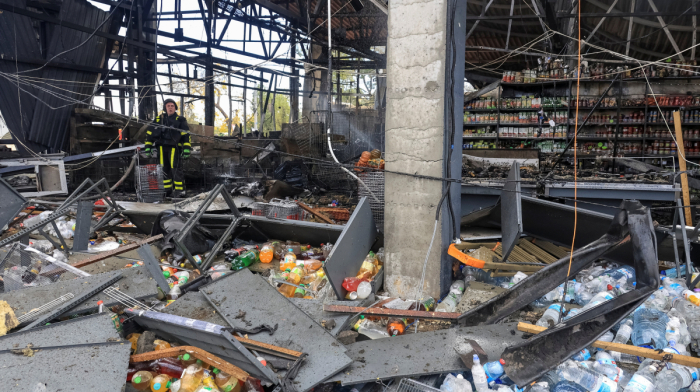
Russian ballistic missile strikes on Ukraine’s capital Kyiv has killed at least sixteen people and injured more than forty others, Ukrainian officials said, with fires reported across the city and Poland activating defensive air operations.
You can download the AnewZ application from Play Store and the App Store.
What is your opinion on this topic?
Leave the first comment