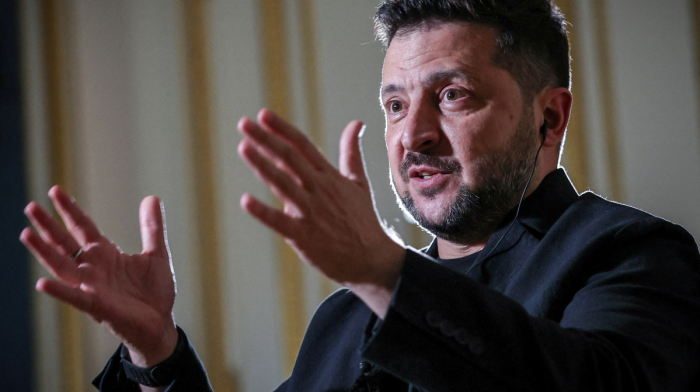
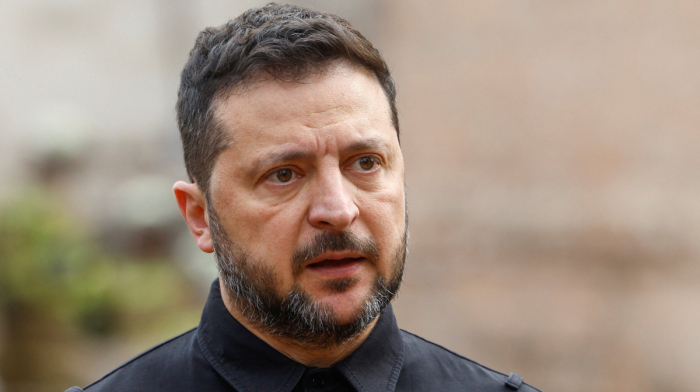
All eyes on Abu Dhabi as Ukraine talks with Russia and U.S. begin
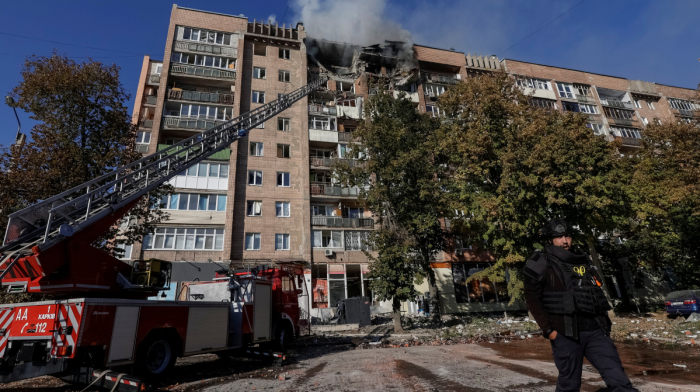
Ukrainian, U.S. and Russian officials are meeting in Abu Dhabi for their first-ever trilateral talks on the nearly four-year-long war in Ukraine....
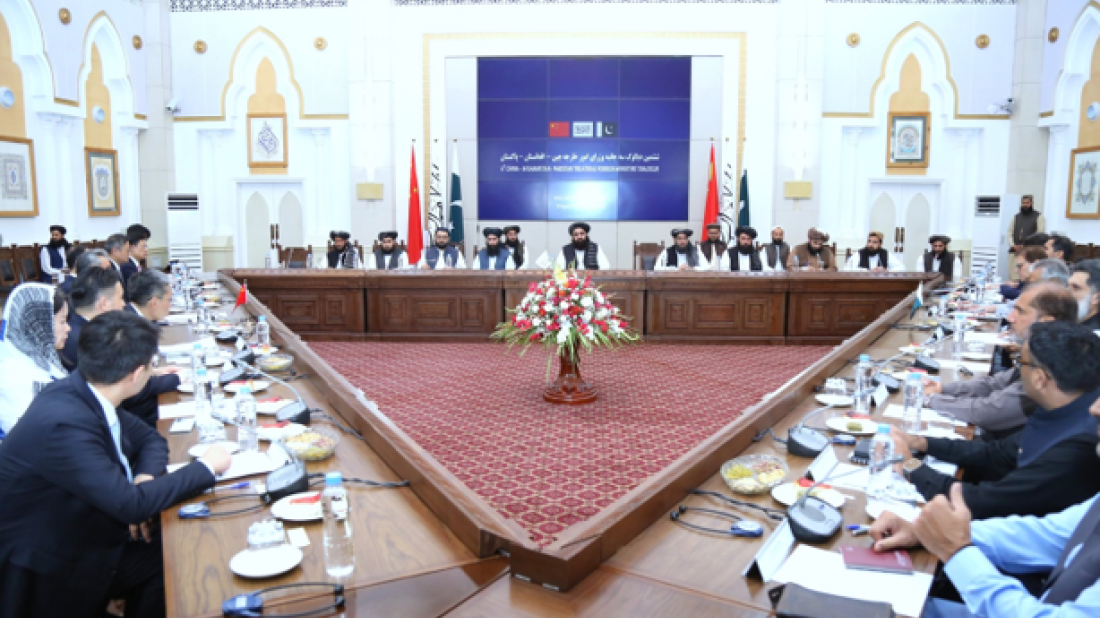
The foreign ministers of Afghanistan, China and Pakistan convened in Kabul for their sixth trilateral meeting, pledging to deepen cooperation in trade, transit and security despite ongoing concerns over cross-border militancy.
Afghanistan’s Foreign Minister Amir Khan Muttaqi said Afghanistan aims to transform the country from a conflict-ridden territory into “a hub of economic connectivity”. He called on Pakistan to expand joint projects and protect the rights of Afghan refugees.
Pakistan’s Deputy Prime Minister and Foreign Minister, Ishaq Dar, reaffirmed Islamabad’s commitment to trade and transit but warned that militant groups based in Afghanistan pose a threat. “Terrorist attacks inside Pakistan have surged in recent months. We urge the Afghan authorities to take concrete and verifiable measures against groups such as the Tehrik-i-Taliban Pakistan (TTP) and the Balochistan Liberation Army (BLA),” Dar said.
Muttaqi responded that Afghanistan does not permit its soil to be used against others, adding that Kabul seeks “balanced, economy-focused relations” with its neighbours.
Chinese Foreign Minister Wang Yi also attended the Kabul talks, describing relations with Afghanistan as “historic and longstanding”. He stressed Beijing’s willingness to support Afghanistan in security and development. “Effective security cooperation between the two countries will establish a foundation for Afghanistan’s development,” he said, urging Kabul to address Chinese concerns on border safety and militancy.
Afghan Prime Minister Muhammad Hassan Akhund welcomed Wang Yi, saying China has been a “steadfast friend” and called for Beijing’s continued backing on the international stage.
The three sides discussed regional trade, agriculture, border coordination, counter-narcotics, and visa facilitation. Pakistan and Afghanistan also welcomed the recent upgrade of diplomatic representation from Chargé d’Affaires to ambassadorial level, agreed at a meeting in Beijing in May 2025.
Analysts say the Kabul talks highlight the growing economic role of China in the region, but tensions over militancy remain a major obstacle to stability. According to the United Nations, Afghanistan continues to face a humanitarian crisis, with more than 23 million people in need of assistance, adding urgency to efforts to revive the country’s economy.

Qarabağ claimed a late 3–2 victory over Eintracht Frankfurt in the UEFA Champions League on Wednesday night, scoring deep into stoppage time to secure a dramatic home win in Baku.
President Donald Trump said on Thursday that the United States has an "armada" heading toward Iran but hoped he would not have to use it, as he renewed warnings to Tehran against killing protesters or restarting its nuclear programme.
Russian President Vladimir Putin said on Wednesday that Moscow could pay $1 billion from Russian assets frozen abroad to secure permanent membership in President Donald Trump’s proposed ‘Board of Peace’.
A commuter train collided with a construction crane in southeastern Spain on Thursday (22 January), injuring several passengers, days after a high-speed rail disaster in Andalusia killed at least 43 people.
Turkish President Recep Tayyip Erdoğan has told his Iranian counterpart Masoud Pezeshkian that Türkiye opposes any form of foreign intervention in Iran, as protests and economic pressures continue to fuel tensions in the Islamic republic.
In the snowy peaks of Davos, where the world’s most powerful leaders gather for the 56th World Economic Forum, a new narrative is emerging that challenges the current dominance of artificial intelligence (AI).
Start your day informed with AnewZ Morning Brief: here are the top news stories for the 23th of January, covering the latest developments you need to know.
The United States officially left the World Health Organization on 22 January, triggering a financial and operational crisis at the United Nations health agency. The move follows a year of warnings from global health experts that a U.S. exit could undermine public health at home and abroad.
Jared Kushner, U.S. President Donald Trump’s senior adviser, unveiled plans for a “New Gaza” on 23 January in Davos. The initiative to rebuild the war‑torn territory with residential, industrial, and tourism zones accompanies the launch of Trump’s Board of Peace to end the Israel-Hamas war.
TikTok’s Chinese owner, ByteDance, has finalised a deal to create a majority American-owned joint venture that will secure U.S. user data, safeguarding the popular short-video app from a potential U.S. ban. The move comes after years of political and legal battles over national security concerns.
You can download the AnewZ application from Play Store and the App Store.
What is your opinion on this topic?
Leave the first comment