Start your day informed with AnewZ Morning Brief: here are the top news stories for 1st August, covering the latest developments you need to know.
1. Trump sets new tariffs on dozens of countries' exports
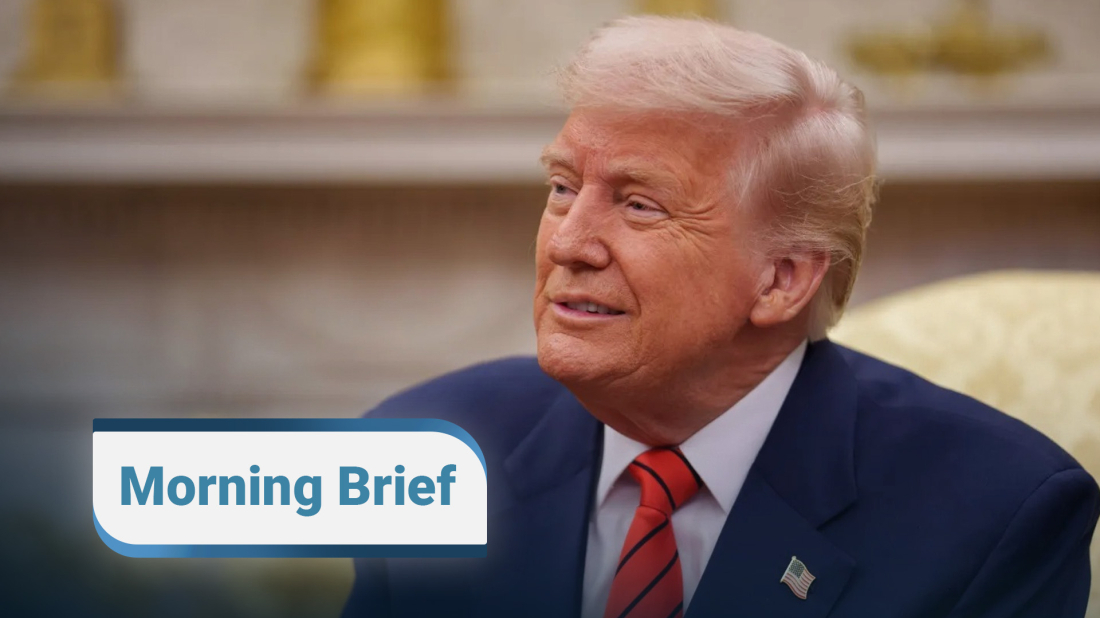
U.S. President Donald Trump has signed an executive order reimposing “reciprocal tariffs” ranging from 10 percent to 41 percent on U.S. imports from dozens of countries and foreign locations.
Separately, Trump also signed an executive order late on Thursday that increased tariffs on certain Canadian goods, with the White House accusing Ottawa of failing to “cooperate in curbing the ongoing flood of fentanyl and other illicit drugs” entering the U.S.
2. Netanyahu meets U.S. envoy to discuss Gaza ceasefire
U.S. special envoy Steve Witkoff met Israeli Prime Minister Benjamin Netanyahu on Thursday in a bid to salvage Gaza truce talks and tackle a humanitarian crisis caused by Israel's military assault in the enclave, where a global hunger monitor has warned that famine is unfolding.
Shortly after Witkoff's arrival, President Donald Trump posted on his Truth Social network: "The fastest way to end the Humanitarian Crises in Gaza is for Hamas to SURRENDER AND RELEASE THE HOSTAGES!!"
3. El Salvador passes bill allowing Bukele indefinite re-election
El Salvador’s ruling New Ideas party passed a bill on Thursday that reforms the country’s election system, allowing President Nayib Bukele to run for unlimited terms, extending each term from five to six years, and removing the need for run-off elections.
This change comes after the Supreme Court, packed with Bukele supporters, ruled in 2021 that his re-election was a human right despite constitutional bans.
4. Kazakhstan to boost BTC pipeline oil exports to 1.7 million tonnes in 2025
Kazakhstan is preparing to raise oil exports through the Baku–Tbilisi–Ceyhan (BTC) pipeline to 1.7 million tonnes next year, Interfax-Kazakhstan reported on Thursday, citing Energy Minister Yerlan Akkenzhenov.
According to the minister, Kazakhstan shipped 1.4 million tonnes through the BTC pipeline in 2024, and around 800,000 tonnes were already delivered in the first half of 2025. He noted that ongoing efforts are focused on increasing export volumes further.
5. Türkiye and Gabon strengthen ties with eight new cooperation agreements
Türkiye and Gabon have signed eight significant agreements in Ankara on 31 July. During an official ceremony attended by President Recep Tayyip Erdoğan and Gabonese President Brice Clotaire Oligui Nguema, joint cooperation documents between the two countries were formalised.
The agreements included a cooperation protocol between the Ministries of Foreign Affairs, a pact on education and vocational training, military education and military health cooperation, as well as a cash assistance protocol.












What is your opinion on this topic?
Leave the first comment