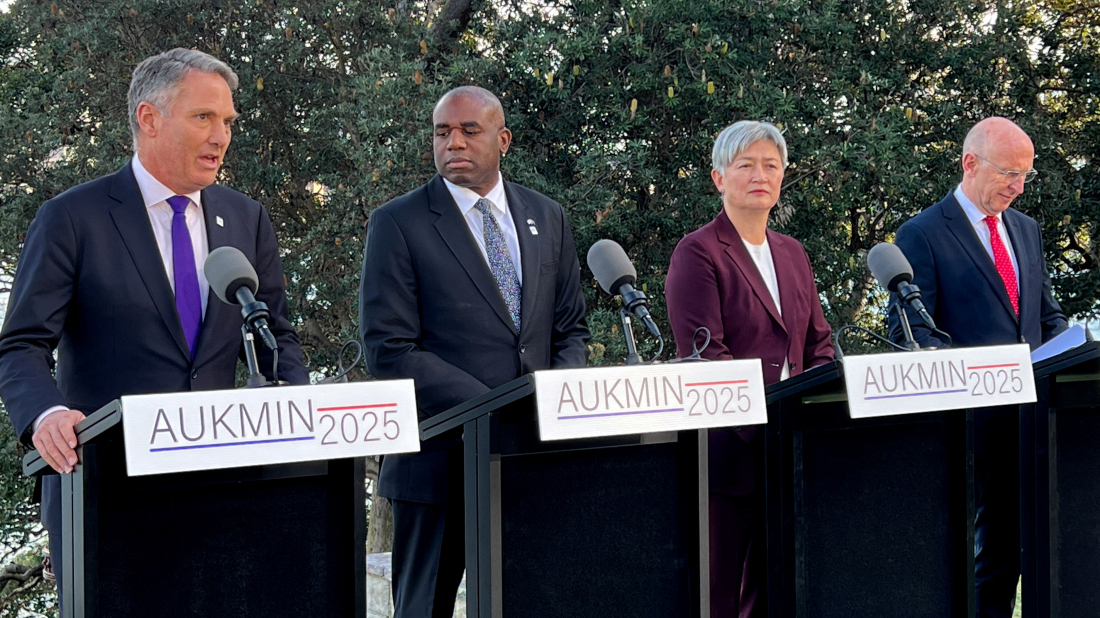
Australia and the United Kingdom have signed a landmark 50-year treaty to cement their partnership under the AUKUS nuclear submarine programme.
The agreement, known as the Geelong Treaty, was signed in the Australian city of Geelong and is set to reshape the countries’ long-term maritime defence strategy.
The treaty underpins joint efforts to develop and operate a new class of nuclear-powered submarines. Australia’s Deputy Prime Minister Richard Marles called it one of the most significant agreements between the two nations since Federation. Britain’s Defence Secretary John Healey said it would build the most advanced attack submarines either country has ever had, strengthen NATO and bolster security in the Indo-Pacific.
The AUKUS pact, first announced in 2021, also involves the United States. Its goal is to enhance security in the Indo-Pacific, widely seen as a response to China’s growing influence. The project remains under review after U.S. President Donald Trump ordered an assessment to ensure it aligns with his “America First” agenda, though bipartisan support in Washington continues.
Australia has reaffirmed its commitment with a further $525 million payment to the U.S., while the UK is expanding its submarine industry to meet AUKUS goals. The Geelong Treaty marks a decisive step forward despite ongoing debates over the pact’s future.
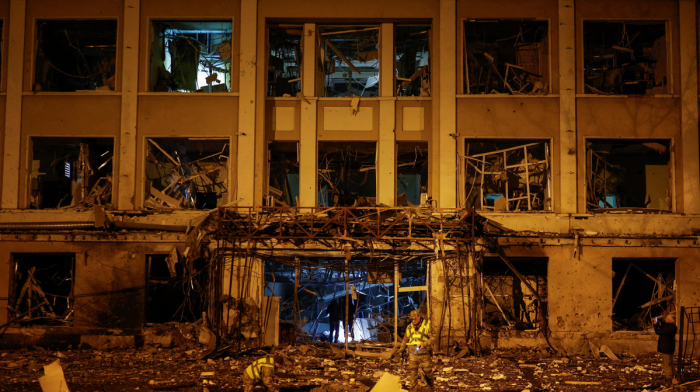
U.S. President Donald Trump has criticised Ukrainian President Volodymyr Zelenskyy for continuing to target Russia's energy infrastructure, while Russian strikes on Kyiv overnight killed at least one person and damaged a metro station.
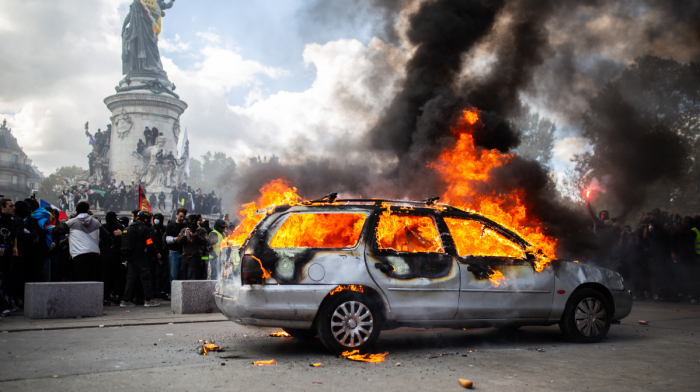
What started out as planned protests against the cost of living, declining public services and education funding in France, quickly devolved into violent riots across the country on Saturday.
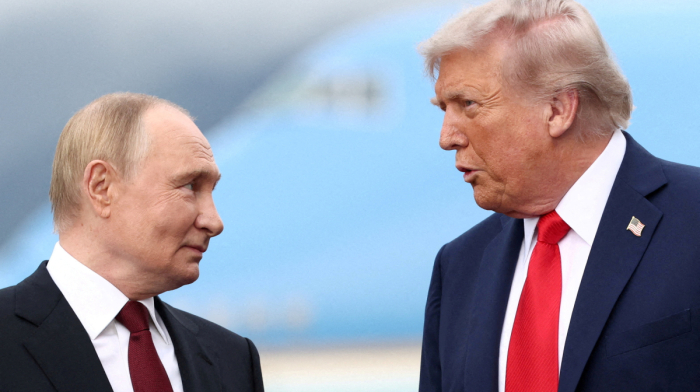
The day after waiving sanctions and tariffs related to Russian exports, U.S. President Donald Trump said on Saturday he has yet to announce a final decision on the matter as Secretary of State Marco Rubio said officials want more time to evaluate the situation.
A Saudi AH-6i helicopter crashed in the Najran region of Saudi Arabia due to a technical malfunction, killing its two crew members, the Saudi-led coalition's spokesman Brigadier General Turki al-Maliki said in a statement on Sunday.
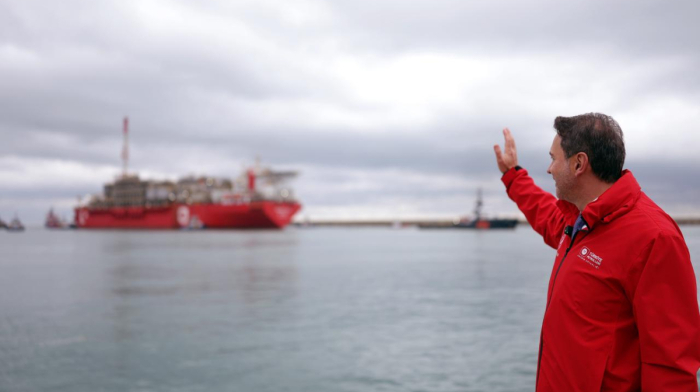
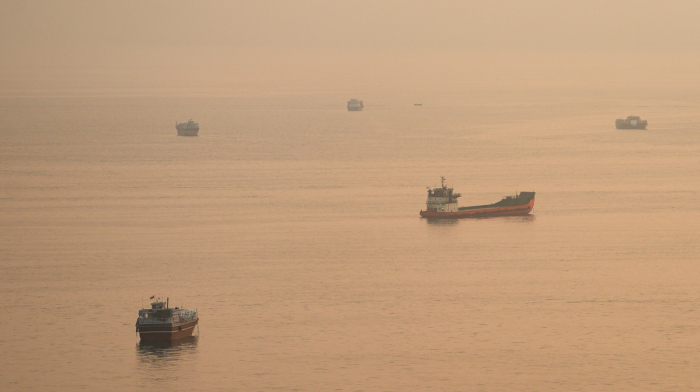
An oil tanker caught fire after striking a naval mine in the southern part of the Strait of Hormuz, Iran’s Islamic Revolutionary Guard Corps (IRGC) Navy said late Sunday.
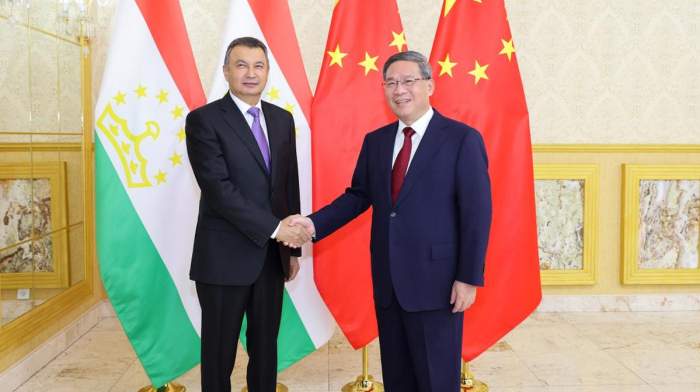
Chinese Premier Li Qiang arrived in Tajikistan on Sunday for an official visit and a major regional summit, with security, trade and transport links high on the agenda as Beijing strengthens its ties with Central Asia.
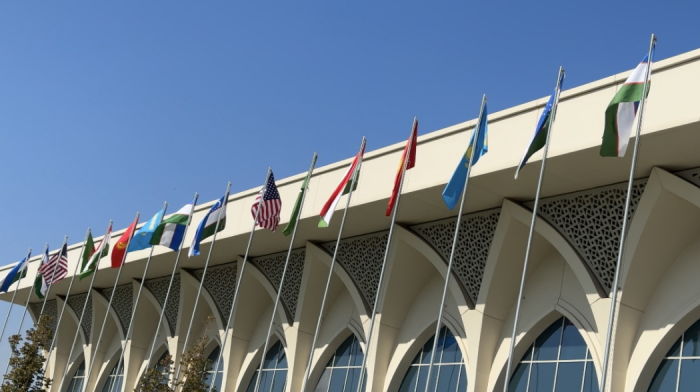
The U.S. and five Central Asian nations have held high-level talks in Samarkand, focusing on trade, investment and regional security as Washington seeks to strengthen its presence in the strategically important region.
U.S. President Donald Trump has criticised Ukrainian President Volodymyr Zelenskyy for continuing to target Russia's energy infrastructure, while Russian strikes on Kyiv overnight killed at least one person and damaged a metro station.
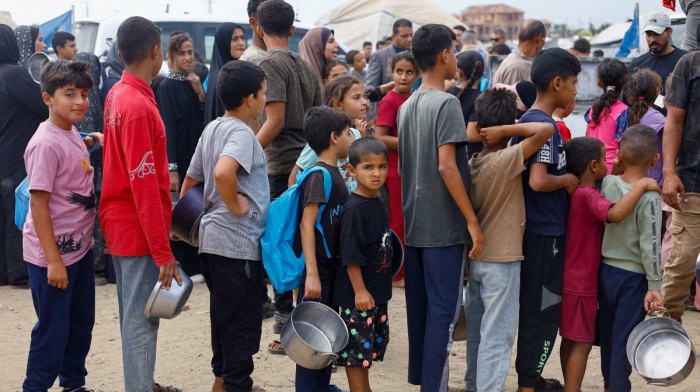
The United Nations World Food Programme (WFP) has cut monthly food assistance to 500,000 people in Gaza amid severe funding shortages, with around two-thirds of the population facing crisis levels of food insecurity or worse.
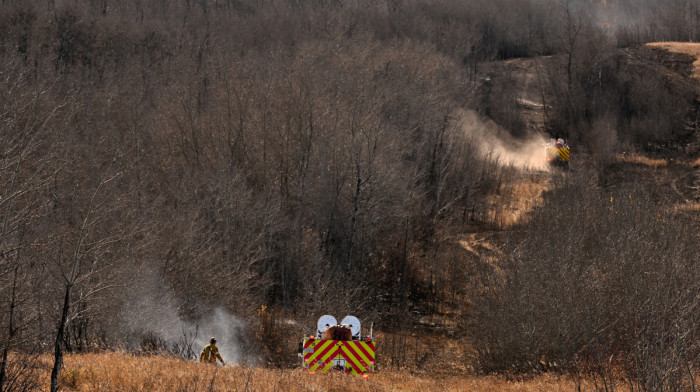
Strong winds that fuelled a deadly grass fire are what killed four Canadian soldiers and sent 39 people to hospital at a military training area in Alberta, Canada, according to authorities. 19 people remain in critical condition. The winds caused the flames to spread rapidly.
Download the AnewZ app
You can download the AnewZ application from Play Store and the App Store.










What is your opinion on this topic?
Leave the first comment