live Iran condemns new U.S. sanctions as ‘economic terrorism’
Iran has condemned new U.S. sanctions as “economic terrorism” and “crimes against humanity”, accusing Washington of pursuin...
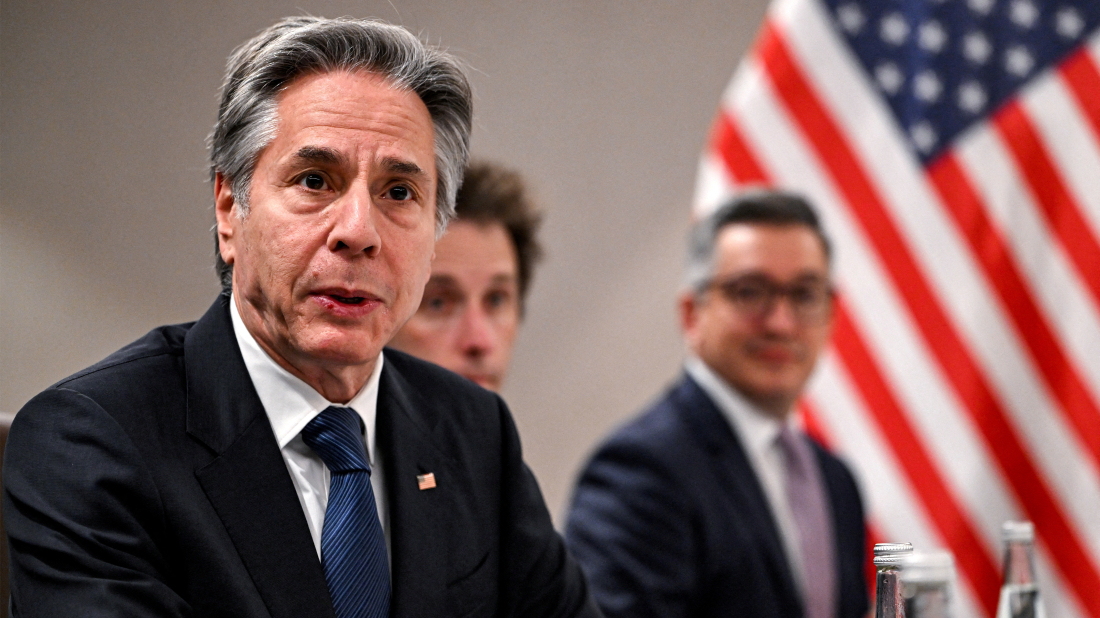
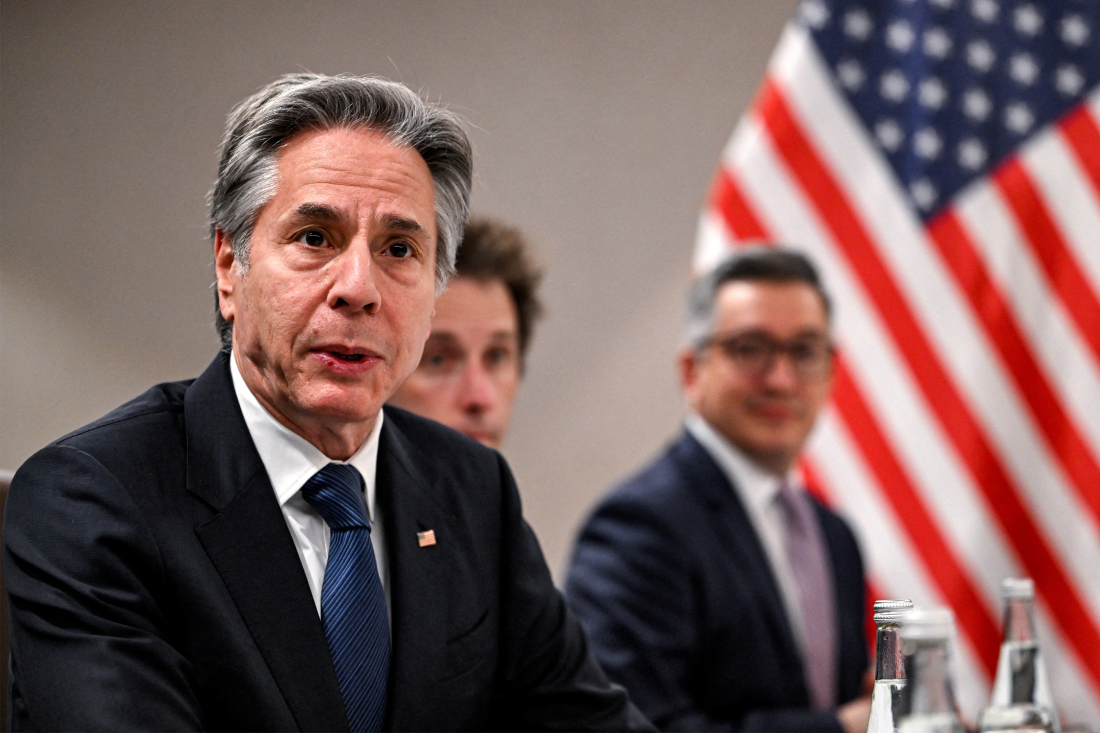
U.S. Secretary of State Antony Blinken emphasized the United Nations' crucial role in supporting Syria’s transition, advocating for an inclusive political process and humanitarian aid during a meeting with UN Special Envoy Geir Pedersen in Aqaba, Jordan.
U.S. Secretary of State Antony Blinken told UN Special Envoy Geir Pedersen that the United Nations must play a central role in Syria’s transition, especially in providing assistance and protecting minorities. Blinken highlighted the importance of a Syrian-led transition under U.N. Security Council Resolution 2254, which outlines key steps for a peaceful resolution.
Pedersen echoed Blinken's stance, calling for a credible political process that includes all communities across Syria and ensuring state institutions remain intact. He also stressed the urgency of delivering humanitarian aid swiftly to support the Syrian population.
Blinken’s meeting with Pedersen follows discussions in Turkey focused on preventing a resurgence of ISIS in Syria, amidst rapid developments that saw Syrian rebels gaining control in Damascus last week.
Blinken’s ongoing Middle East tour aims to solidify cooperation among Arab and Turkish partners, establishing a unified approach to guiding Syria’s political transition with principles of inclusivity and respect for minority rights.

The collective-defence agreement between Türkiye, Saudi Arabia and Pakistan signals that regional powers no longer want to rely solely on external security guarantees. Whether it becomes a stabilising deterrent or another axis of rivalry remains unresolved.
Shipping traffic through the Strait of Hormuz remains limited on Thursday, with no increase in vessel crossings as U.S.-Iran talks to resolve the conflict remained stalled. Nine commodity vessels transited the key waterway on Wednesday, unchanged from the previous day, according to Kpler data.
Shipping through the Strait of Hormuz has slowed, according to the latest data, as uncertainty over the waterway’s reopening kept most shipowners away. Six commodity vessels crossed the strait on Tuesday, down from nine the day before and below the 10-day daily average of 11.
Start your day informed with AnewZ Morning Brief. Here are the top news stories for the 20th of August, covering the latest developments.
Russian ballistic missile strikes on Ukraine’s capital Kyiv has killed at least sixteen people and injured more than forty others, Ukrainian officials said, with fires reported across the city and Poland activating defensive air operations.
South African human rights and environmental groups have urged the government to block Israeli-linked Navitas Petroleum from acquiring a stake in a major offshore oil block, citing concerns over the war in Gaza and environmental risks.
Israel and Colombia will waive advance visa requirements for travellers from 1 September as the two countries move to restore diplomatic and economic relations following years of tensions over the war in Gaza.
Shipping traffic through the Strait of Hormuz remains limited on Thursday, with no increase in vessel crossings as U.S.-Iran talks to resolve the conflict remained stalled. Nine commodity vessels transited the key waterway on Wednesday, unchanged from the previous day, according to Kpler data.
The United States imposed fresh sanctions on Hezbollah on Thursday, redesignating the Lebanese group over what Washington described as its actions on behalf of the Iranian government and targeting 10 people accused of moving cash for the group.
Australia on Thursday condemned Israel’s decision to close its criminal investigation into the deaths of Australian aid worker Zomi Frankcom and six World Central Kitchen colleagues killed in Gaza in April 2024.
You can download the AnewZ application from Play Store and the App Store.
What is your opinion on this topic?
Leave the first comment