Australia warns of China’s opaque military expansion deep into Pacific
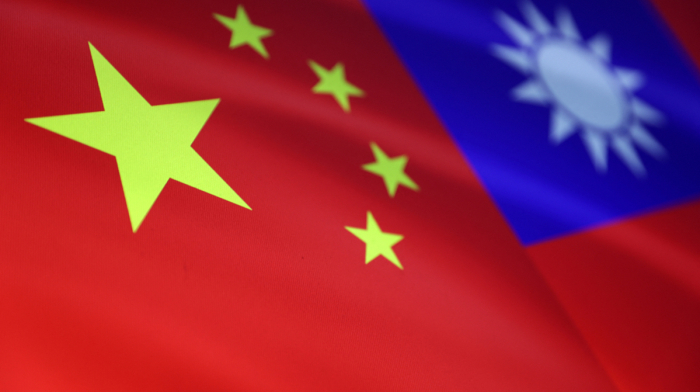
Canberra has issued a stark assessment of the changing security landscape in the Pacific, warning that Beijing is projecting force deeper into the reg...
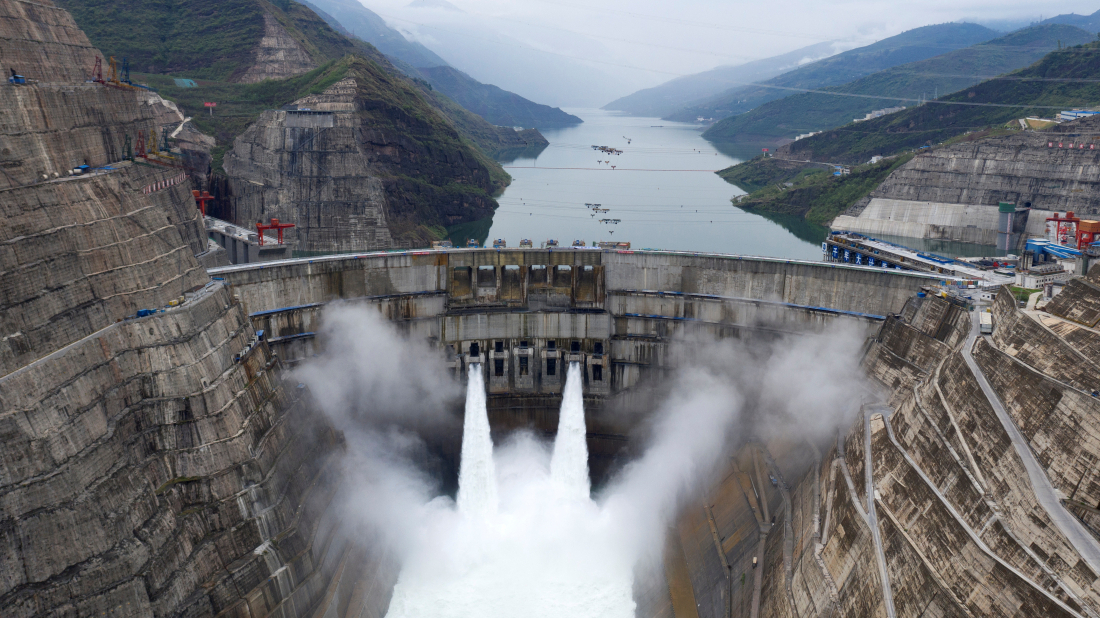
China has started building the world’s largest hydropower project in Tibet’s Yarlung Zangbo River gorge, aiming to boost clean energy output and meet its climate goals.
China on Saturday began construction of what is set to become the largest hydropower station on the planet, located in the rugged Yarlung Zangbo River gorge in the Xizang (Tibet) Autonomous Region. Premier Li Qiang officially inaugurated the project at a groundbreaking ceremony in the city of Nyingchi, underlining the national significance of the development.
Li described the hydropower station as a "project of the century" and urged the use of cutting-edge technologies, advanced materials, and innovative engineering methods to ensure the project’s high-quality execution.
The facility, once completed, is expected to generate 300 billion kilowatt-hours (kWh) of electricity annually—more than triple the output of China’s current largest dam, the Three Gorges, which produces around 88.2 billion kWh. The massive project will comprise five cascade hydropower stations and is backed by an estimated investment of 1.2 trillion yuan, or approximately $167.8 billion.
Officials, engineers, and residents from the region were present at the ceremony, highlighting the project’s strategic importance. According to government sources, the hydropower complex will serve as a major asset in China’s long-term energy planning and is expected to support the country's ambitions to peak carbon emissions before 2030 and reach carbon neutrality by 2060.

Security concerns across Central Asia have intensified rapidly after officials in Dushanbe reported a series of lethal incursions originating from Afghan soil, marking a significant escalation in border violence.
Moscow and Kyiv painted very different pictures of the battlefield on Sunday, each insisting momentum was on their side as the fighting around Pokrovsk intensified.
Russia has claimed a decisive breakthrough in the nearly four-year war, with the Kremlin announcing the total capture of the key logistics hub of Pokrovsk just hours before United States mediators were due to arrive in Moscow.
U.S. President Donald Trump confirmed on Sunday that he had spoken with Venezuelan President Nicolas Maduro, but did not provide details on what the two leaders discussed.
French President Emmanuel Macron addressed critical issues surrounding Ukraine’s ongoing conflict, the role of American mediation, and European involvement during a press conference on Monday, reaffirming France’s commitment to supporting Ukraine's sovereignty and ensuring peace in the region.
Canberra has issued a stark assessment of the changing security landscape in the Pacific, warning that Beijing is projecting force deeper into the region with diminishing transparency, complicating the delicate balance of power in the Southern Hemisphere.
A Russian-flagged tanker en route to Georgia reported an attack off Türkiye’s coast, with its 13 crew unharmed, according to the country’s maritime authority.
The fate of the world’s largest nuclear power station hangs in the balance this month as local lawmakers in Japan decide whether to authorise a controversial restart, a move that would mark a significant pivot in the nation’s post-Fukushima energy policy.
Venezuelan President Nicolás Maduro on Monday pledged his “absolute loyalty” to the Venezuelan people as tensions continue to rise with the administration of U.S. President Donald Trump.
At a transit camp on the Chad-Sudan border, Najwa Isa Adam, 32, hands out bowls of pasta and meat to orphaned Sudanese children from al-Fashir, the site of a recent violent takeover by paramilitary forces in Sudan.
You can download the AnewZ application from Play Store and the App Store.
What is your opinion on this topic?
Leave the first comment