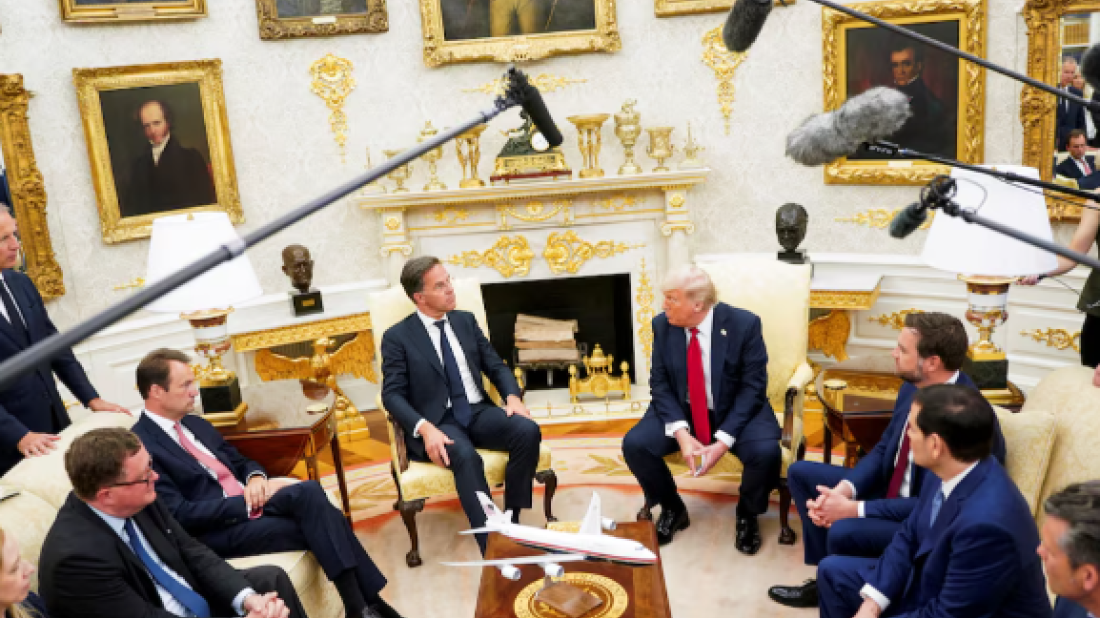
US President Donald Trump met with NATO Secretary General Mark Rutte on Monday and announced a new plan to arm Ukraine. Here is a quick explainer of what happened in the meeting and the key things that was mentioned.
Five key things that came out of Donald Trump's meeting with NATO.
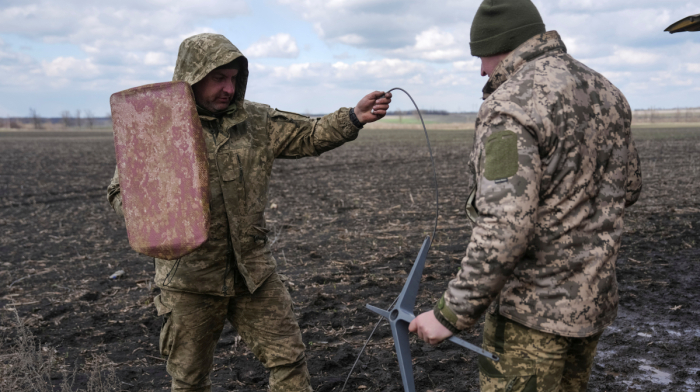
- The plan includes sending new weapons which will include Patriot missiles and batteries to NATO.
- The cost of these weapons will be paid for by NATO allies and not the US.
- Mark Rutte said, Germany, Finland, Denmark, Sweden, Norway, the Netherlands and Canada all want to be a part of rearming Ukraine.
- Russia was given an ultimatum by Trump to come to a peace deal in the next 50 days otherwise he would put 100% tariffs on Russian exports as well as so-called secondary sanctions, which target third countries that buy a country's exports.
- Trump announced that Washington had successfully contributed to resolving the long-standing conflict between Azerbaijan and Armenia.
In the meeting Mr Trump said that he was disappointed with Russia’s unwillingness to end the war on Ukraine.
He said he often speaks to Russia’s President Vladmir Putin.
"I speak to him a lot about getting this thing done. And I always hang up and say, well, that was a nice phone call. And then missiles are launched into Kyiv or some other city, and (I say) strange," said Trump.
Trump is now taking a harder line with Putin and shows a clear U-turn for U.S. policy only weeks after the Pentagon announced it would be pausing weapons shipments to Ukraine.
Trump has spoken out in recent days about the human toll inflicted on Ukrainians and the impact that it was having.
"Ultimately talk doesn't talk. It's got to be (about) action. It's got to be (about) results," said Trump on Monday.
The tarrif ultimatum Trump has put on Russia is a firm attempt to put an end to the war and hopes it will work.
Trump added that trade is "great for settling wars."














What is your opinion on this topic?
Leave the first comment