EU announces €153 million in humanitarian aid for Ukraine, €8 million for Moldova
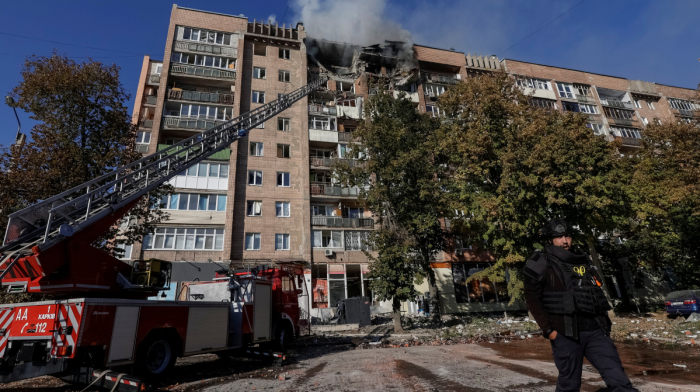
The European Commission has announced €153 million ($183 million) in emergency aid for Ukraine, alongside €8 million ($9.5 million) to support Mol...
Monday, 7 July, was another extremely hot day in Japan. A strong heatwave hit the country, and Tokyo recorded its highest temperature so far this year.
Authorities issued heat warnings in 30 of Japan’s 47 prefectures, the most this year. This follows a record-hot June and shows a worrying trend of rising summer temperatures.
In response, Japan started new work safety rules last month. Employers must now protect workers from heat risks. Measures include providing light, breathable clothing, shaded or air-conditioned rest areas, and overhead covers to block direct sunlight.
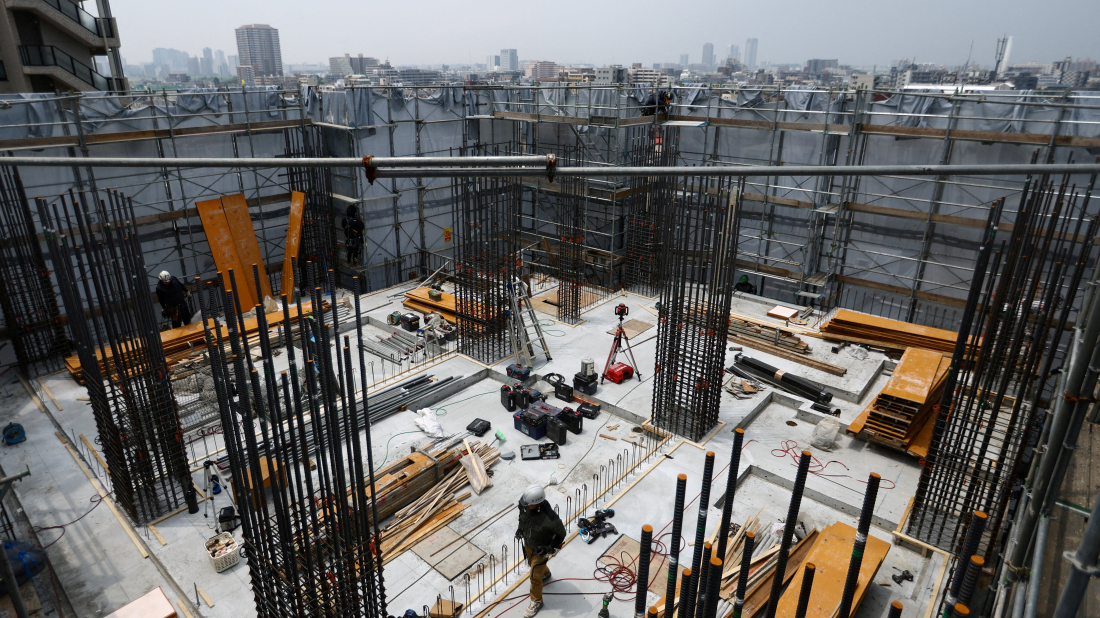
At a construction site in Tokyo, where it passed 35°C, workers wore special cooling jackets with built-in fans. About 1,500 workers across Japan now use these vests.
One worker, Atsushi Mizutani, said the vest helps him sweat less and keep his strength. Another worker, Takami Okamura, said these vests have become essential as the heat has grown worse.
Construction workers are especially at risk. In 2023, almost 20% of workplace heatstroke cases in Japan were from this sector. Overall, heatstroke incidents at work have more than doubled in ten years.

Liverpool confirmed direct qualification to the UEFA Champions League round of 16 with a 6-0 win over Qarabağ at Anfield in their final league-phase match. Despite the setback, Qarabağ secured a play-off spot, with results elsewhere going in the Azerbaijani champions’ favour on the final matchday.
China is supplying key industrial equipment that has enabled Russia to speed up production of its newest nuclear-capable hypersonic missile, an investigation by The Telegraph has found, heightening concerns in Europe over Moscow’s ability to threaten the West despite international sanctions.
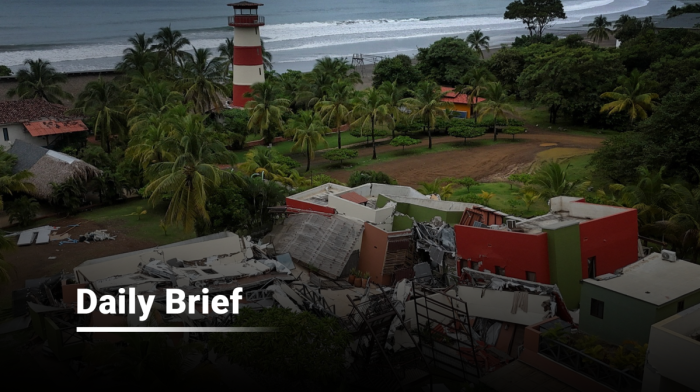
Storm Kristin has killed at least five people and left more than 850,000 residents of central and northern Portugal without electricity on Wednesday (28 January), as it toppled trees, damaged homes, and disrupted road and rail traffic before moving inland to Spain.
Russian President Vladimir Putin said he was ready to assist in rebuilding Syria’s war-damaged economy as the country's interim President Ahmad al-Sharaa made his second visit to Moscow in less than four months on Wednesday (28 January).
Start your day informed with AnewZ Morning Brief: here are the top news stories for the 28 January, covering the latest developments you need to know.
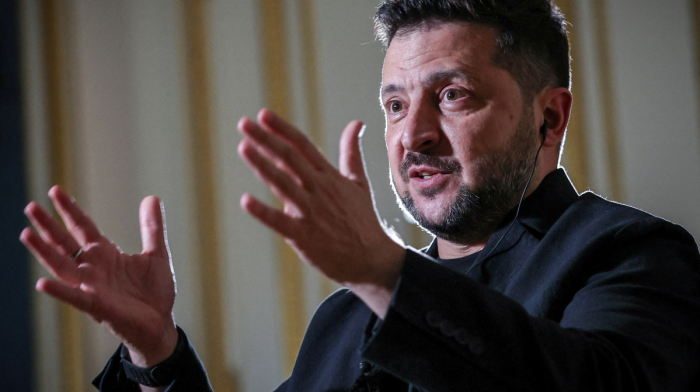
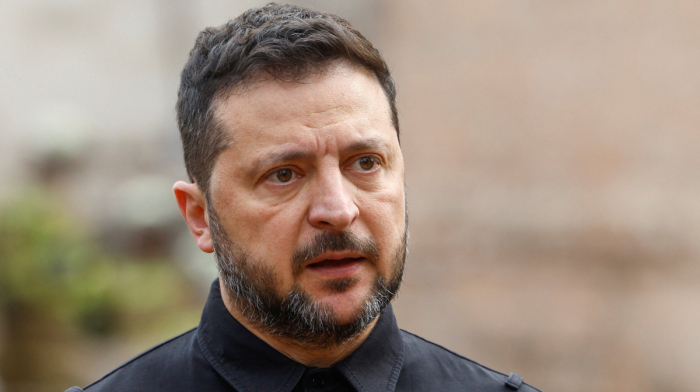
The European Commission has announced €153 million ($183 million) in emergency aid for Ukraine, alongside €8 million ($9.5 million) to support Moldova, which hosts large numbers of Ukrainian refugees.
U.S. President Donald Trump on Thursday threatened new tariffs on countries supplying oil to Cuba, escalating a pressure campaign against the Communist-run island.
Burkina Faso’s military-led government has dissolved all political parties and ordered their assets transferred to the state under a decree adopted by the authorities.
Bangladesh and Pakistan on Thursday resumed direct flight services after 14 years, marking a milestone in the revival of relations between the two Muslim-majority nations.
Truck drivers in two of the four Balkan states protesting against the EU’s tightened entry-exit rules stepped back on Thursday, easing some pressure on major cargo routes, while colleagues in Bosnia and Serbia kept their lines of trucks in place.
You can download the AnewZ application from Play Store and the App Store.
What is your opinion on this topic?
Leave the first comment