The U.S. decision to halt shipments of critical military supplies to Ukraine has been met with concern in Kyiv. Ukrainian officials warn that the move will significantly weaken the country’s ability to defend against intensifying airstrikes and battlefield advances.
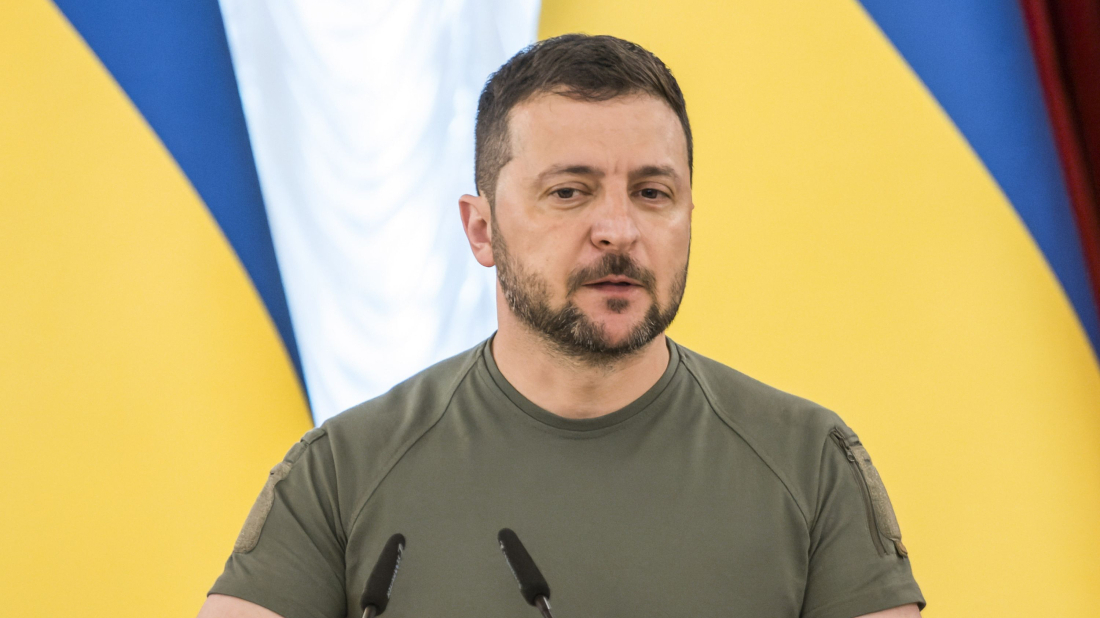
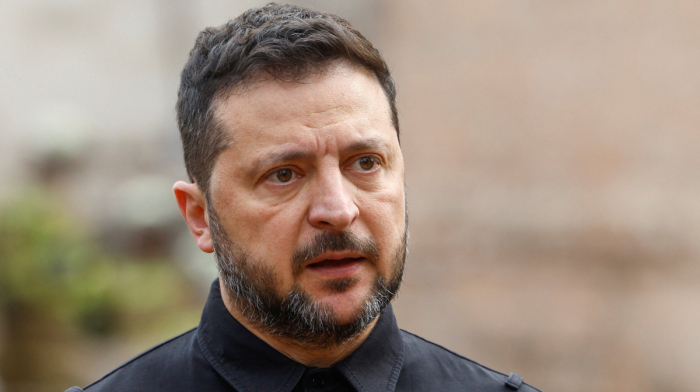
President Volodymyr Zelenskyy said on Wednesday that technical-level talks between Ukraine and the U.S. to finalise details concerning the delivery of defence aid—particularly air defence components—are ongoing. He stressed that, whatever happens, the protection of the Ukrainian people must be ensured.
The Pentagon recently decided to temporarily suspend shipments of 30 Patriot air defence missiles to Ukraine, among other supplies, due to concerns over U.S. military stock levels. Zelenskyy has said that these missiles are crucial for intercepting fast-moving ballistic threats. Additionally, more than 8,500 155mm artillery shells, more than 250 precision-guided GMLRS rockets, and 142 Hellfire air-to-surface missiles have been withheld, according to sources.
Ukraine’s Ministry of Foreign Affairs has urged Washington to maintain military support, warning that any delays or suspensions will only embolden the aggressor to continue war and terror. The Defence Ministry stated it had not yet received official notification of the suspension and is seeking clarification from U.S. counterparts. Ukrainian sources have described the decision as “a complete shock”.
White House Deputy Press Secretary Anna Kelly said the move was made “to put America’s interests first” following a Department of Defense review of global military assistance. She added that the strength of the U.S. Armed Forces remains unquestioned, referencing recent U.S. strikes on Iranian nuclear facilities.
NATO Secretary-General Jens Stoltenberg told Fox News that while the U.S. must safeguard its stockpiles, Ukraine requires all possible ammunition and air defence systems in the short term.
Recent Russian airstrikes have killed dozens in Ukrainian cities. Russian forces control approximately one-fifth of Ukraine and are making gains in the east.
U.S. Senator Jeanne Shaheen, the top Democrat on the Senate Foreign Relations Committee, criticised the decision, saying it endangers Ukrainian lives, undermines U.S. credibility, and will complicate efforts to end the war. She warned it sends a message to allies and adversaries alike that the U.S. cannot be relied upon.
Since taking office, President Donald Trump has softened his stance towards Russia and expressed doubts about continued military support for Kyiv, though he recently indicated he is considering selling more Patriot missiles to Ukraine.
Member of Ukraine’s Parliamentary National Security and Defence Committee Fedir Venislavskyi described the suspension as “very unpleasant”.
The Pentagon has informed President Trump that it is exploring options to continue military aid consistent with the goal of ending the conflict.
Previously, all arms shipments were briefly halted in February and again for a longer period in March. Washington has resumed sending aid that was approved under President Joe Biden’s administration but has announced no new packages.
The Kremlin welcomed the suspension, suggesting that fewer arms reaching Ukraine could hasten the conflict’s end.
Residents of Kyiv have voiced concerns over The Pentagon’s decision. Lawyer Oksana Kurochkina stated she would leave the city if air defences are lost, prioritising her safety.
Military analyst Jack Watling of the Royal United Services Institute warned that halting precision munitions deliveries will restrict Ukrainian forces’ ability to strike Russian positions behind the front line, ultimately costing Ukrainian lives and territory.


















What is your opinion on this topic?
Leave the first comment