U.S. and Iran exchange threats - Tuesday, 10 March
Tensions in the region remained high on Tuesday (10 March), as the United States and Iran exchanged increasingly sharp warnings, including thr...
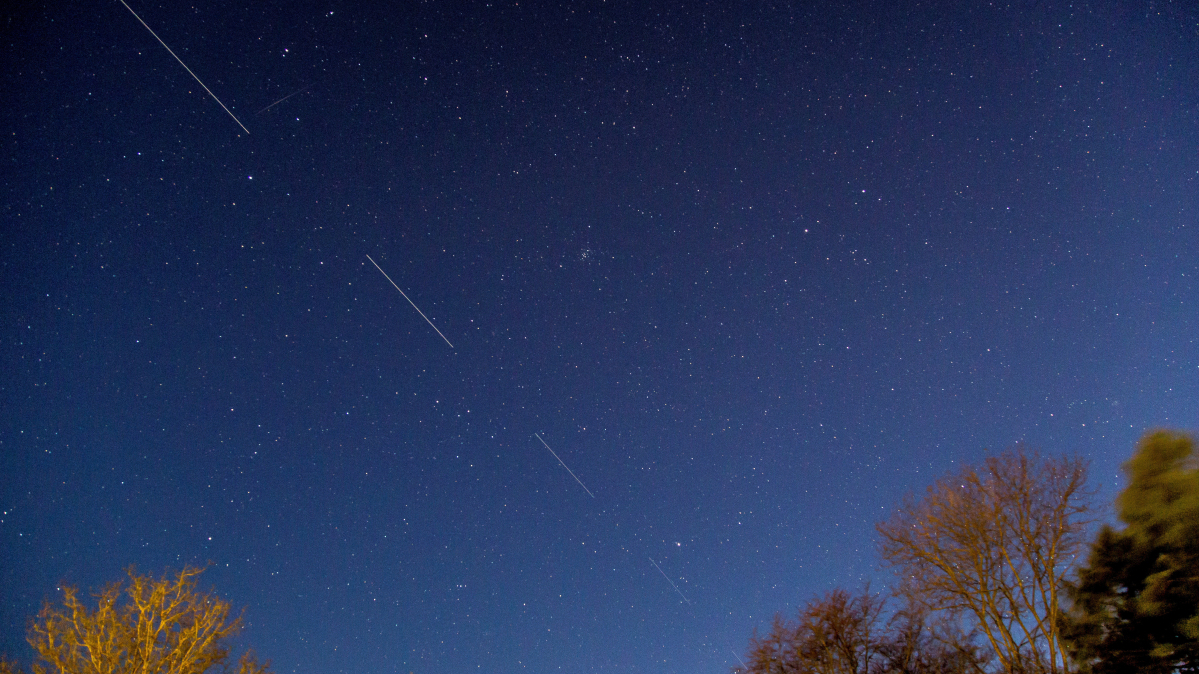
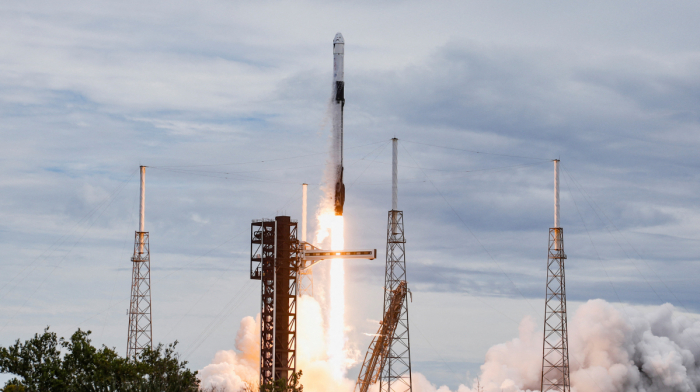
SpaceX will gradually lower 4,400 Starlink satellites this year to improve space safety.
SpaceX announced it will lower approximately 4,400 Starlink satellites from 550 km to 480 km above Earth throughout 2026 to reduce the risk of collisions in low Earth orbit. The move will also shorten the satellites’ end-of-life decay time by more than 80 percent.
The decision follows a December incident in which one Starlink satellite created minor debris and briefly cut communications with another spacecraft. Michael Nicholls, SpaceX vice-president of engineering, said the adjustment will also mitigate risks from uncoordinated maneuvers and launches by other operators.
Estimates from the European Space Agency indicate over 40,000 objects orbit below 2,000 km, with more than 9,300 owned by SpaceX. Objects over 1 cm in size, over 1.2 million pose potential collision hazards.
Professor Hugh Lewis of the University of Birmingham said SpaceX carried out 144,404 collision avoidance maneuvers between December 2024 and May 2025, a 200 percent increase from the previous period.
Nicholls emphasized the satellite adjustments are part of SpaceX’s ongoing efforts to make orbital operations safer as congestion in low Earth orbit increases.

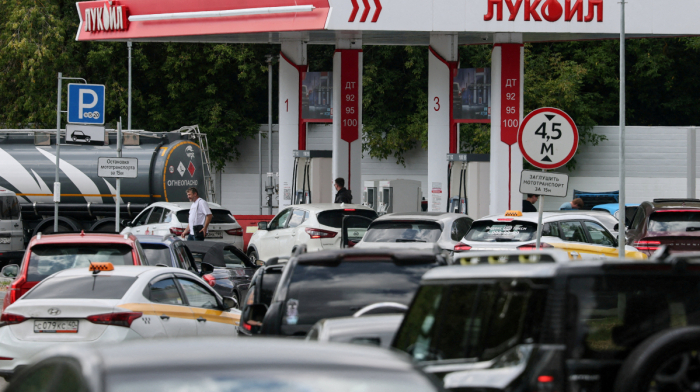
Tensions in the region remained high on Tuesday (10 March), as the United States and Iran exchanged increasingly sharp warnings, including threats over the strategic Strait of Hormuz, a critical artery for global oil supplies.
Global oil prices surpassed $119 a barrel on Monday (9 March, 2026), an almost four year high, as the Middle East conflict rumbled on.
China has urged Afghanistan and Pakistan to resolve their dispute through dialogue after Chinese envoy Yue Xiaoyong met Afghan Foreign Minister Amir Khan Muttaqi, as fighting between the two neighbours entered its eleventh day.
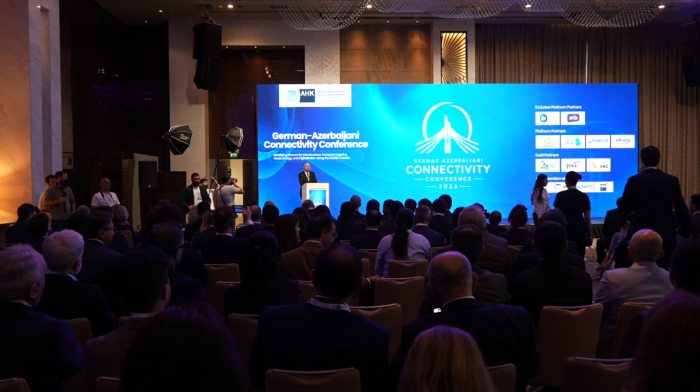
Entry and exit across the state border between Azerbaijan and Iran for all types of cargo vehicles, including those in transit, will resume on 9 March, according to a statement by the Cabinet of Ministers of Azerbaijan.
Iran named Mojtaba Khamenei to succeed his father Ali Khamenei as supreme leader on Monday (9 March), signaling that hardliners remain firmly in charge, as the week-old U.S.-Israeli war with Iran pushed oil above $100 a barrel.
Chinese electric vehicle giant BYD is pushing to make charging an electric car almost as quick and convenient as filling up a traditional petrol vehicle - a move that could help remove one of the biggest barriers to wider electric vehicle adoption.
South Korea will soon cease to be one of the few countries where Google Maps does not function fully, after its security-conscious government reversed a two-decade-old policy and approved the export of high-precision map data to overseas servers.
New research suggests 40,000-year-old carved objects from south-western Germany bear repeated marks arranged in organised sign sequences similar to early proto-cuneiform, although they are not regarded as a form of writing.
The chief executive of Google DeepMind, Demis Hassabis, has called for more urgent research into the risks posed by artificial intelligence, warning that stronger safeguards are needed as systems become more advanced.
NASA successfully completed a critical fueling rehearsal on Thursday (19 February) for its giant moon rocket, Artemis II, after earlier hydrogen leaks disrupted preparations for the next crewed lunar mission. The launch is scheduled for 6 March, according to the latest information from NASA.
You can download the AnewZ application from Play Store and the App Store.
What is your opinion on this topic?
Leave the first comment