Iran-U.S.-Israel tensions rise after strikes and threats of retaliation- 31 March
The Iran-U.S.-Israel conflict is intensifying, with fresh strikes near Tehran, European calls for restraint, and Iran threatening to target U.S. fi...
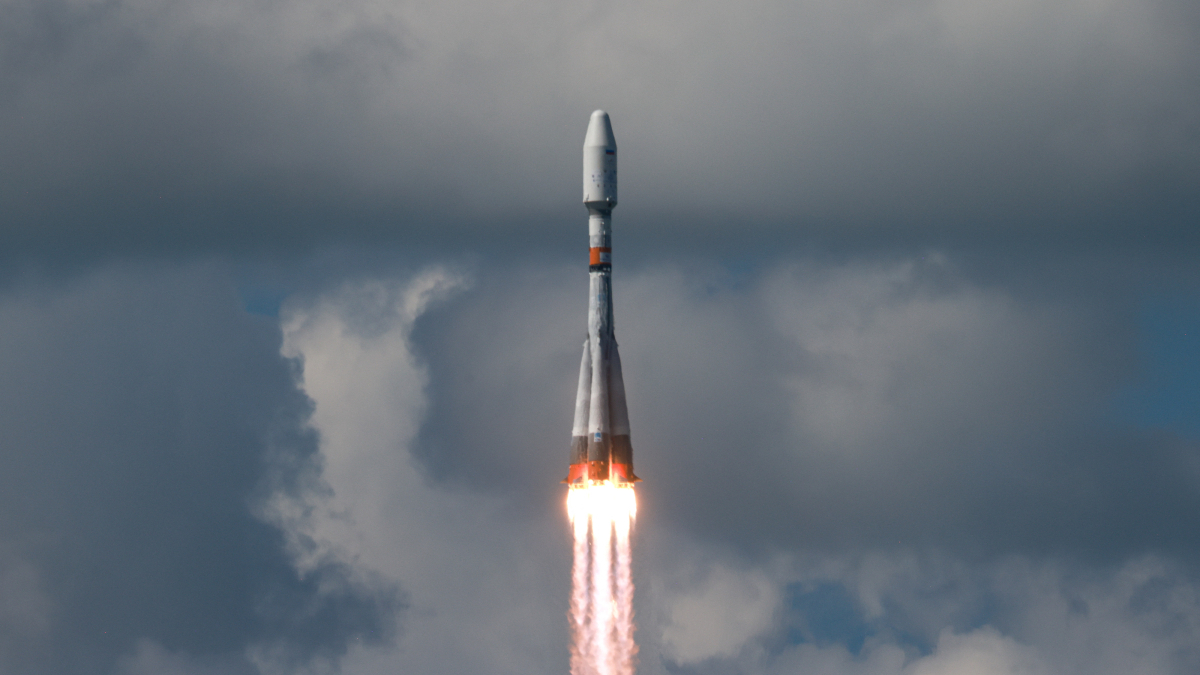
Iran successfully launched three satellites on Sunday using a Russian Soyuz rocket from Russia’s Far East, marking the latest stage in growing Iran-Russia space cooperation.
The satellites Kowsar 1.5, Paya, and Zafar-2 were carried alongside payloads from other countries, including Kuwait and Belarus.
Kowsar 1.5 is an upgraded remote-sensing satellite developed for high-resolution imaging, with a particular focus on agricultural applications. It was produced by a local knowledge-based company in collaboration with the Iranian Space Agency, demonstrating growing public-private cooperation within Iran’s space sector.
Zafar-2, designed by the Iran University of Science and Technology, is an advanced Earth-observation platform weighing between 100 and 135 kilograms. It is intended to provide high-resolution imagery for monitoring and managing natural resources.
The heaviest of the three, Paya, at approximately 150 kilograms, was produced by Iran Electronics Industries with support from the Iranian Space Agency. It is regarded as one of Iran’s most advanced domestically built imaging satellites.
The launch was broadcast live by Iran’s state media. No official reaction has yet been reported from the United States or European countries, which have previously raised concerns over Iran’s satellite programme, citing potential violations of UN Security Council resolutions—a claim Iran has consistently rejected.
Ahead of the launch, Foreign Minister Abbas Araghchi emphasised the civilian and scientific nature of the programme, stating:
"Iran’s activities in nuclear science, defence industries, nanotechnology, and satellite development are entirely peaceful and intended for peaceful purposes."
Kazem Jalali, Iran’s ambassador to Russia, highlighted Tehran-Moscow collaboration in the space sector, noting that this launch marks the seventh Iranian satellite carried into space by Russia. He said the partnership reflects ongoing cooperation in satellite technology, launch vehicles, and deployment.
U.S. President Donald Trump has said that the U.S is in talks with the new Iranian regime. He said this in a post on his Truth Social account but warned that the U.S. will "Obliterate" Iran's electric and oil facilities if no deal is reached, especially regarding the Strait of Hormuz closure.
NASA is aiming to launch its Artemis 2 mission on Wednesday (1 April), sending astronauts on a 10-day journey around the Moon, officials confirmed. According to the Space Administration, the launch window is due to open at 23:24 GMT, with additional opportunities to 6 April if delays occur.
The Iran-U.S.-Israel conflict is intensifying, with fresh strikes near Tehran, European calls for restraint, and Iran threatening to target U.S. firms in the region, raising fears of a broader escalation across the Middle East.
The war in Iran has rapidly upended regional security, triggering spillover across the Middle East and raising fears of wider economic disruption that could threaten globalisation.
The Israeli military said on Monday that Iran launched multiple waves of missiles at Israel, and an attack had also been launched from Yemen for the second time since the U.S.-Israeli war began on Tehran. It said two drones from Yemen were intercepted early 30 March but gave no further details.
NASA is aiming to launch its Artemis 2 mission on Wednesday (1 April), sending astronauts on a 10-day journey around the Moon, officials confirmed. According to the Space Administration, the launch window is due to open at 23:24 GMT, with additional opportunities to 6 April if delays occur.
The four astronauts selected for NASA’s Artemis II mission have arrived in Florida, entering the final phase of preparations for the first crewed journey towards the Moon in more than five decades
NASA announced on Tuesday it has cancelled plans to deploy a space station in lunar orbit and will instead use components from the project to build a $20 billion base on the moon's surface, while also planning to send a nuclear-powered spacecraft to Mars.
Chinese researchers have announced a major breakthrough in lithium battery technology - a development that could significantly improve the performance, safety and lifespan of batteries used in everything from smartphones to electric vehicles.
NASA’s Perseverance rover has detected what scientists believe may be the underground remains of an ancient river delta on Mars, offering some of the strongest evidence yet that water once flowed across the planet’s surface billions of years ago.
You can download the AnewZ application from Play Store and the App Store.
What is your opinion on this topic?
Leave the first comment