live Kremlin rejects 60-day ceasefire proposal, calls for comprehensive peace deal
The Kremlin on Monday rejected a 60-day ceasefire idea proposed by Ukrainian President Volodymyr Zelenskyy to...
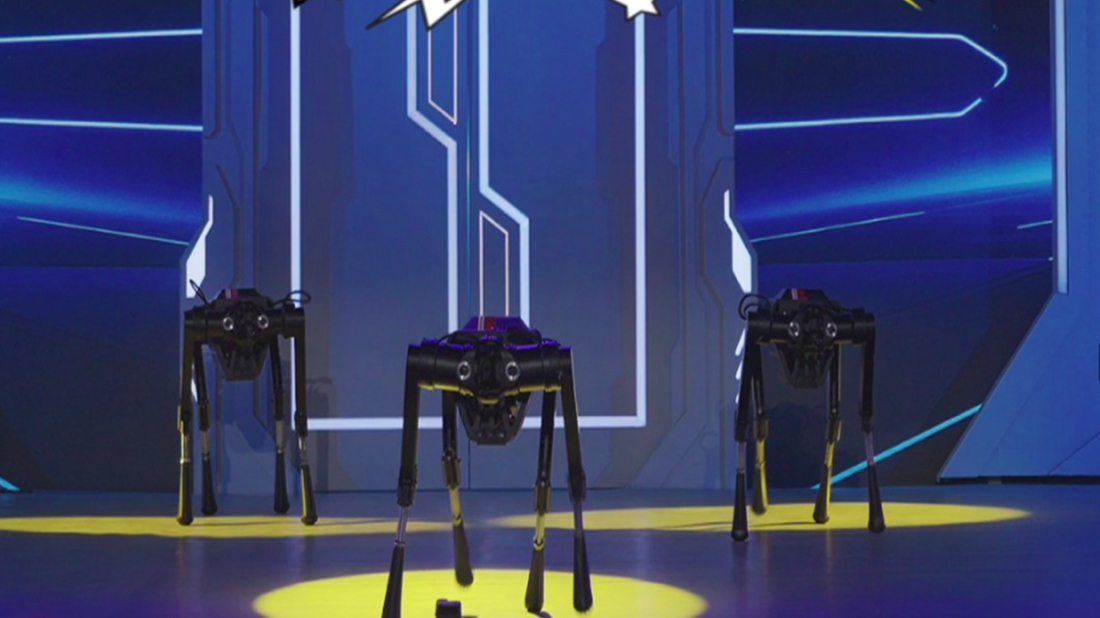
A Chinese-made robot dog named Black Panther has reached a top speed of 10.3 metres per second (34 feet per second), setting a new world record for robotic dogs and approaching the speed of elite human sprinters, according to state media Xinhua News.
The four-legged robot, weighing 38 kilograms (84 pounds) and standing 0.63 metres (2.1 feet) tall, broke the previous record held by Boston Dynamics’ WildCat during a live televised demonstration.
Black Panther hit more than 10 metres per second on a treadmill within 10 seconds, nearing the pace of Usain Bolt’s 2009 100-metre world record of 9.58 seconds, which translates to 10.44 metres per second.
The robot dog is the result of a joint project between Zhejiang University’s humanoid innovation institute and Hangzhou-based startup Mirror Me.
Recent upgrades have boosted its strength and speed, enabling it to outpace most humans, though it remains slower than fast animals such as cheetahs and ostriches.
Developers say the robot dog could be adapted for disaster relief and logistics tasks in the future, including navigating rubble after earthquakes.

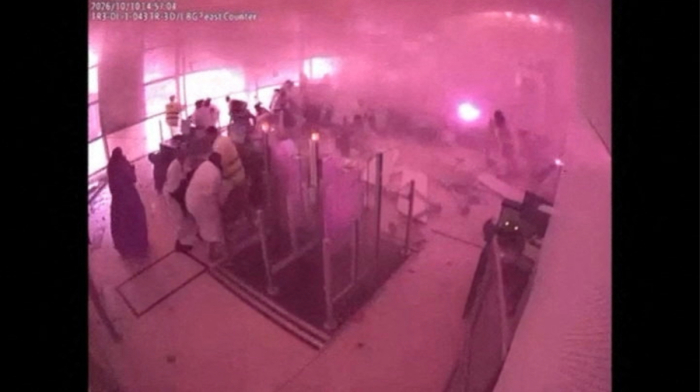
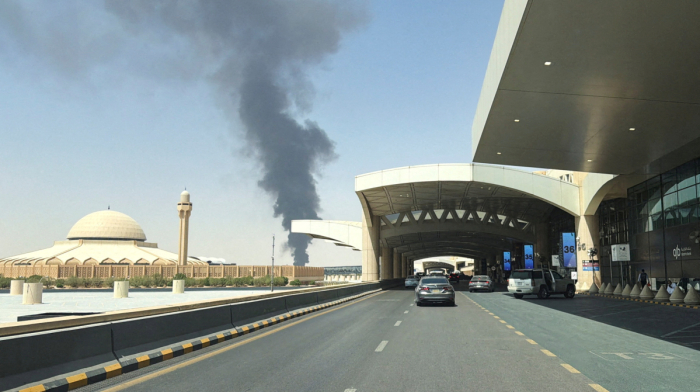
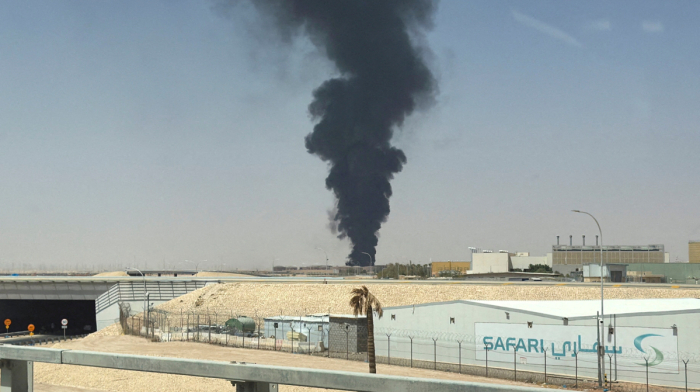
The explosion at King Khalid International Airport in Riyadh on Saturday afternoon killed at least 12 people and injured a further 309, according to Saudi Arabia’s Civil Aviation Authority. The airport remains closed until further notice.
One person was killed and nearly a dozen hurt in a fresh attack on Riyadh's international airport on Sunday, Saudi authorities reported, a day after a strike claimed by Yemen's Houthis killed 13 people and wounded more than 300.
Yemen's Houthis renewed warning to airlines, airport workers, and travellers against using Saudi airports, saying the warning should be taken seriously and that the kingdom “bore responsibility for failed interceptions”, a day after an attack on Riyadh's international airport that killed 12 people.
The Houthi movement has escalated their attacks on Saudi Arabia, targeting the airport in Riyadh and other cities, killing more than a dozen people.
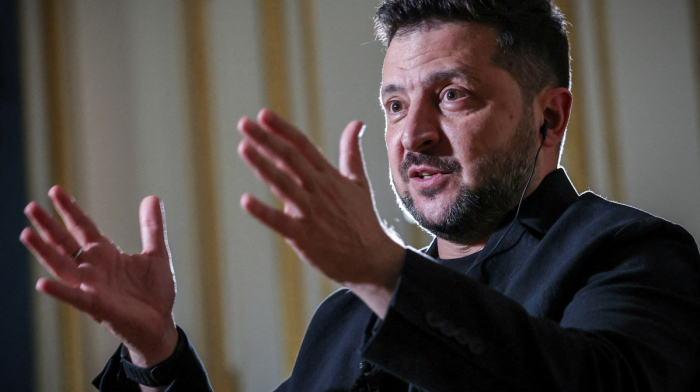
Ukraine is ready to stop attacks on Russian oil refineries if Moscow also halts strikes on Ukrainian energy infrastructure, President Volodymyr Zelenskyy said on Sunday.
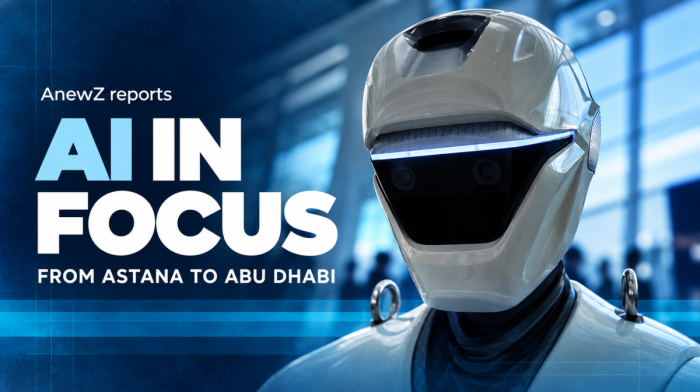
AnewZ’s recent reporting from Kazakhstan and the United Arab Emirates brings audiences closer to the technologies, and the decisions, shaping the future of artificial intelligence.
Anthropic has announced that it is updating its usage policy to allow its AI agents to end conversations involving repeated abuse or cruel behaviour towards them, citing previous incidents.
Türkiye has banned children under 15 from using social media under new regulations published on Saturday. The new regulations prohibit firms from providing services to children “who have not reached the age of 15.”
Microsoft has introduced new tools to stop AI agents from accessing data without permission, alongside a Nvidia-powered Surface laptop that can run advanced AI directly on the device.
Picture three scenarios: a hospital that can spot a disease before the patient feels sick, a power grid that feeds thousands of data centres and a government network that is attacked daily. All three depend on artificial intelligence, and one question matters most: who is really in charge?
You can download the AnewZ application from Play Store and the App Store.
What is your opinion on this topic?
Leave the first comment