Uzbekistan's oil, gas and coal production continues to decline
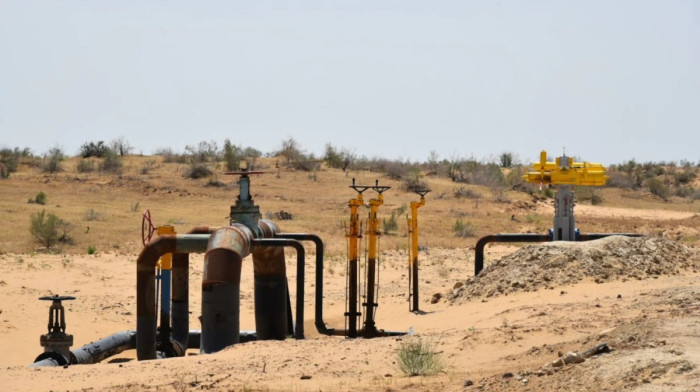
Uzbekistan recorded further declines in the production of key energy resources during the first four months of 2026, even as output of fuel products, ...
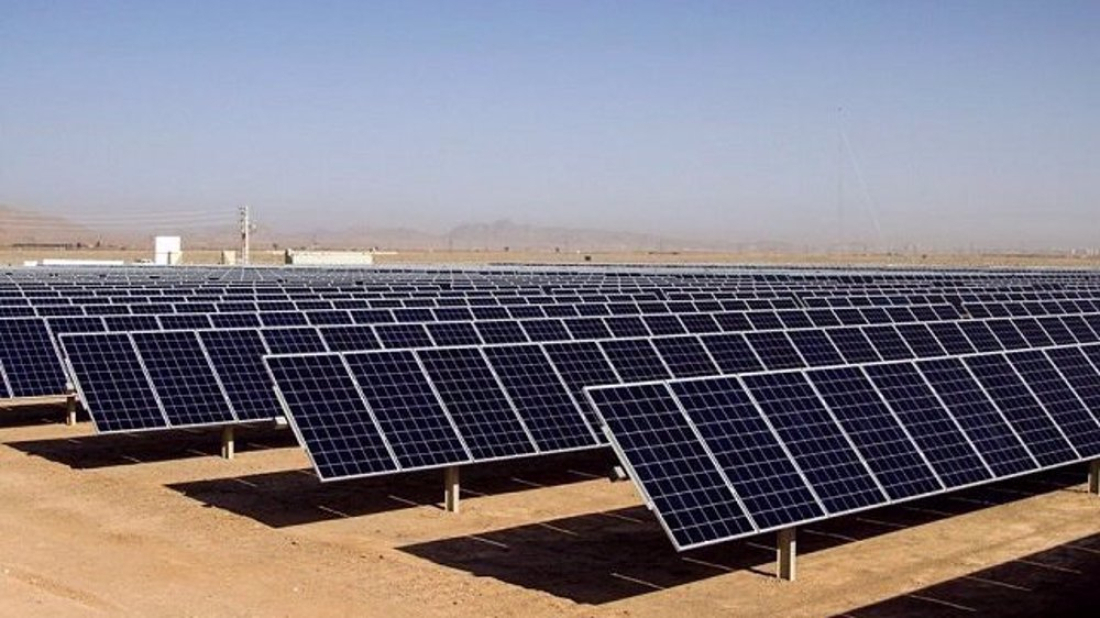
Iran has opened the first phase of its largest solar power plant as part of a major government programme to expand renewable energy capacity.
Iranian President Masoud Pezeshkian used a video link on Thursday to inaugurate a 120-megawatt (MW) unit of the Aftab Shargh solar farm in Isfahan province.
Iran’s Minister of Industries, Mohammad Atabak, and senior local officials attended a ceremony in Kuhpayeh, in the east of Isfahan province, to mark the opening.
Aftab Shargh (meaning “Sunlight of the East” in Persian) will become Iran’s largest and most technologically advanced solar power plant when it reaches full capacity of 600 MW by March 2027.
The power plant was built by Mobarakeh Steel Company, the largest steel producer in West Asia. According to ISNA news agency, the company invested approximately 305 million euros in the project.
The construction phase created 3,000 jobs for local people. After the launch of the first phase, the facility will employ 70 people permanently.
Isfahan, one of Iran’s most industrialised provinces, is playing a key role in the country’s plan to increase renewable electricity generation by 30,000 MW over the next four years.
Currently, Isfahan has 240 MW of solar farms and plans to expand this by over 470 MW by February.
Local authorities aim for Isfahan to achieve 5,300 MW of solar capacity by 2029, which would be nearly one-third of Iran’s total solar capacity at that time.
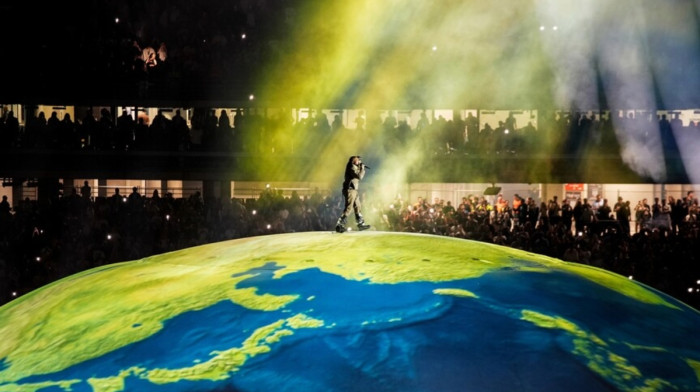
U.S. rapper Kanye West, now known as Ye, performed to a crowd of 118,000 people in Istanbul on Saturday night, marking his first concert in Europe in more than a decade, despite being barred from performing in several countries over past antisemitic remarks.
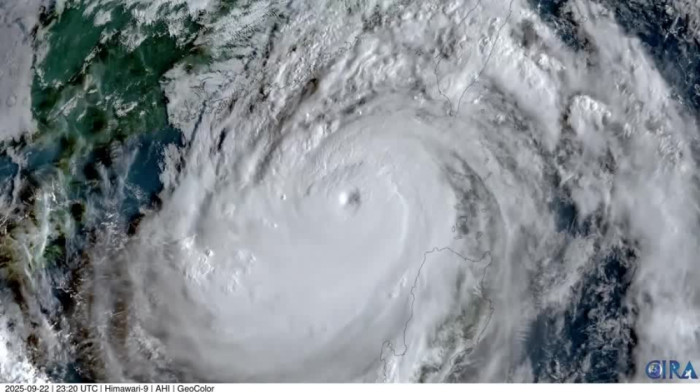
Okinawa lost transport links and suffered widespread power outages on Monday (1 June) as Severe Tropical Storm Jangmi brought destructive winds and heavy rain to Japan's south-western islands.
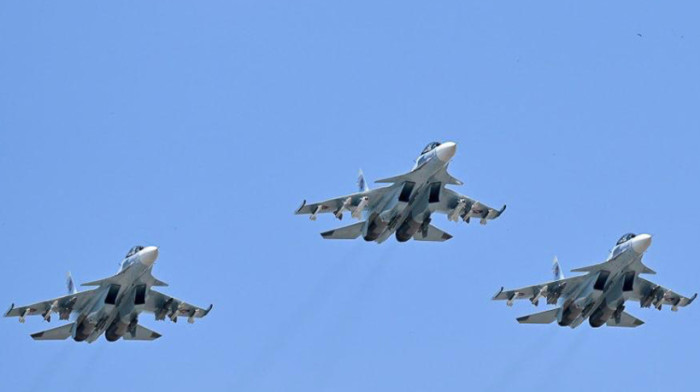
Iranian-made Yassin missiles were spotted mounted on Armenian Air Force fighter aircraft during Armenia's latest military parade on Thursday (28 May), drawing attention from defence observers and regional analysts.
Donald Trump said he is “in no hurry” to reach a deal with Iran, insisting the U.S. is slowly getting what it wants. He warned military action remains an option if talks fail. Meanwhile, U.S. forces said they fired a missile at a vessel trying to breach Washington’s blockade of Iran.
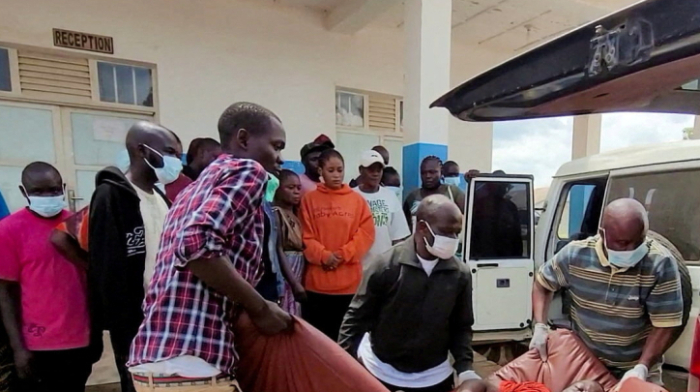
The World Health Organisation’s designation of the Bundibugyo Ebola virus outbreak as a Public Health Emergency of International Concern (PHEIC) is a stark reminder that Ebola remains a persistent global health threat rather than a disease of the past.
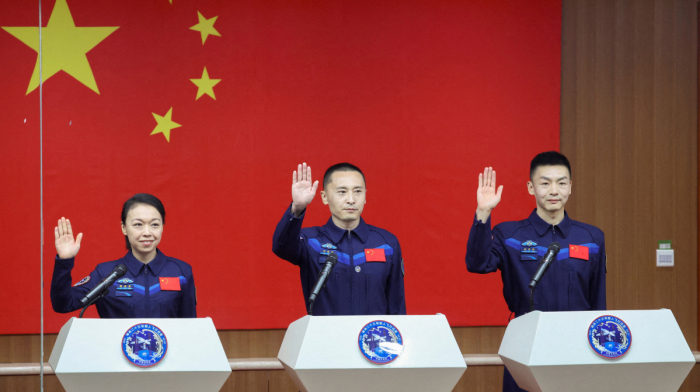
China will send an astronaut to its space station on Sunday for a one-year mission, the longest duration for the country so far. The mission will help study long-duration human physiology in space as China works toward a crewed Moon landing by 2030.
Anxiety over artificial intelligence is hardening among young workers as executives promote faster adoption and companies point to automation in fresh job cuts.
Hackers are increasingly using artificial intelligence to detect software vulnerabilities, reducing the time organisations have to respond to cyber threats, Verizon said in its annual data breach report.
China has launched the world’s first experiment to study how artificial human embryos develop in space, marking a major step in understanding whether humans could one day reproduce beyond Earth.
Japanese filmmaker Koji Fukada has said that the use of artificial intelligence (AI) to “jump straight to the result” risks undermining the purpose of art, which he believes should be rooted in self-expression and a deeper understanding of the world.
You can download the AnewZ application from Play Store and the App Store.
What is your opinion on this topic?
Leave the first comment