Iran rebukes U.S. amid reports of peace plan handed to Tehran by Pakistan - Wednesday 25 March
Both the United States and Iran are giving conflicting messages about trying to end the conflict in the Middle East as the rest of the world battle...
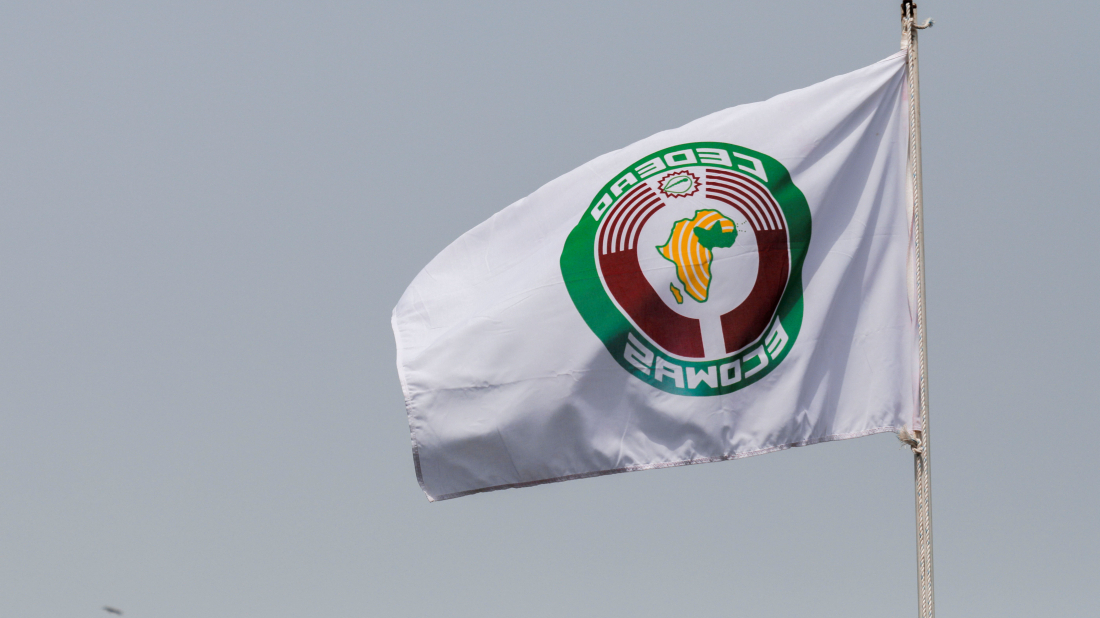
Nigerian President Bola Tinubu, chair of the Economic Community of West African States (ECOWAS), called on regional leaders Saturday to prioritize economic unity, policy coordination, and stronger investment to unlock West Africa’s full potential.
Speaking at the West African Economic Summit in Abuja, Tinubu highlighted the low intra-regional trade—currently below 10%—as a missed opportunity for growth. “We can’t continue to operate in isolation. This isn’t a lack of will but a failure of coordination,” he said. “The world economy will not wait for West Africa to get its act together.”
Tinubu also stressed the importance of investing in the region’s young population through education, digital infrastructure, and innovation to turn this demographic advantage into sustainable growth.
Nigerian Foreign Minister Yusuf Tuggar called for a renewed focus on free markets, pragmatic governance, and stronger private-sector cooperation to drive transformation.
Liberian President Joseph Boakai urged leaders to keep communication channels open with countries like Niger, Mali, and Burkina Faso, stressing that the door to ECOWAS should remain open for any members that have left.
The summit gathered presidents from Ghana, Sierra Leone, Senegal, Gambia, Benin, Togo, Guinea-Bissau, along with ECOWAS ministers and regional economic institutions to push forward deeper integration and trade cooperation.

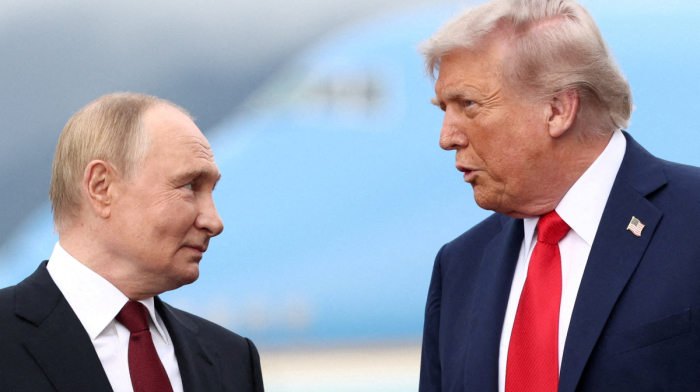
U.S. President Donald Trump said the U.S. was talking to the right people in Iran to make a deal on Tuesday (24 March), as Pakistan's Prime Minister offered to host peace talks between the two countries to bring about an end to the conflict.
Both the United States and Iran are giving conflicting messages about trying to end the conflict in the Middle East as the rest of the world battle with the consequences of the war. Welcome to AnewZ's coverage of the tensions in the Middle East.
Afghan authorities say Pakistani jets entered northern Afghanistan, while Pakistan insists its actions target terrorism, highlighting continued strain after a temporary Eid ceasefire ended.
Danish Prime Minister Mette Frederiksen resigned on Wednesday after her coalition suffered a heavy election defeat, triggering negotiations over who will form the next government.
Iran launched multiple waves of missiles at Israel, the Israeli military said, after U.S. President Donald Trump postponed a threat to bomb the Islamic Republic's power grid because of what he described as productive talks with Iranian officials.
Conflicting messages emerged from Iran about its response to a U.S. peace offer reportedly delivered to it by Pakistan on Wednesday (25 March). Meanwhile, Tehran's government unveiled its own counterproposal to end the conflict.
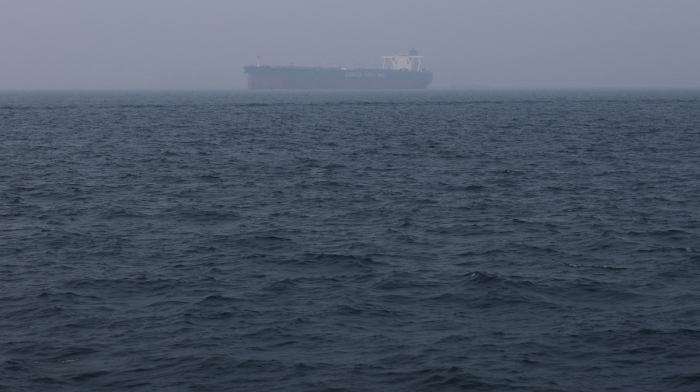
France will not take part in military operations to open the Strait of Hormuz by force, but is prepared to help secure key maritime routes, Prime Minister Sébastien Lecornu told lawmakers amid escalating tensions in the Middle East.
Iran has rejected a U.S. proposal to end the war, insisting any ceasefire will occur only on its own terms and timeline, according to a senior political-security official speaking to state-run Press TV on Wednesday.
An opposition politician in Georgia has been sentenced to 18 months in prison for defacing an election banner, prompting strong reactions at home and abroad.
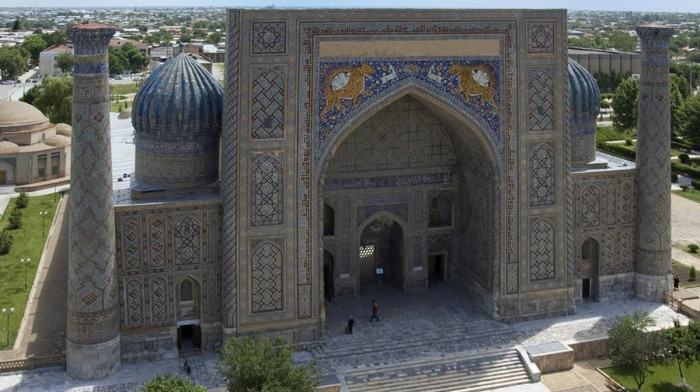
Uzbekistan has launched the next phase of its first nuclear power plant (NPP) project, with initial concrete works now under way at the construction site in the Farish district of the Jizzakh region, according to the national atomic energy agency, Uzatom.
You can download the AnewZ application from Play Store and the App Store.
What is your opinion on this topic?
Leave the first comment