UNDP chief says Gaza rubble removal may take 7 years as 90% live in hazardous conditions
The United Nations Development Programme (UNDP) has warned that clearing the vast of rubble in Gaza could take up to seven years at the current pace, ...
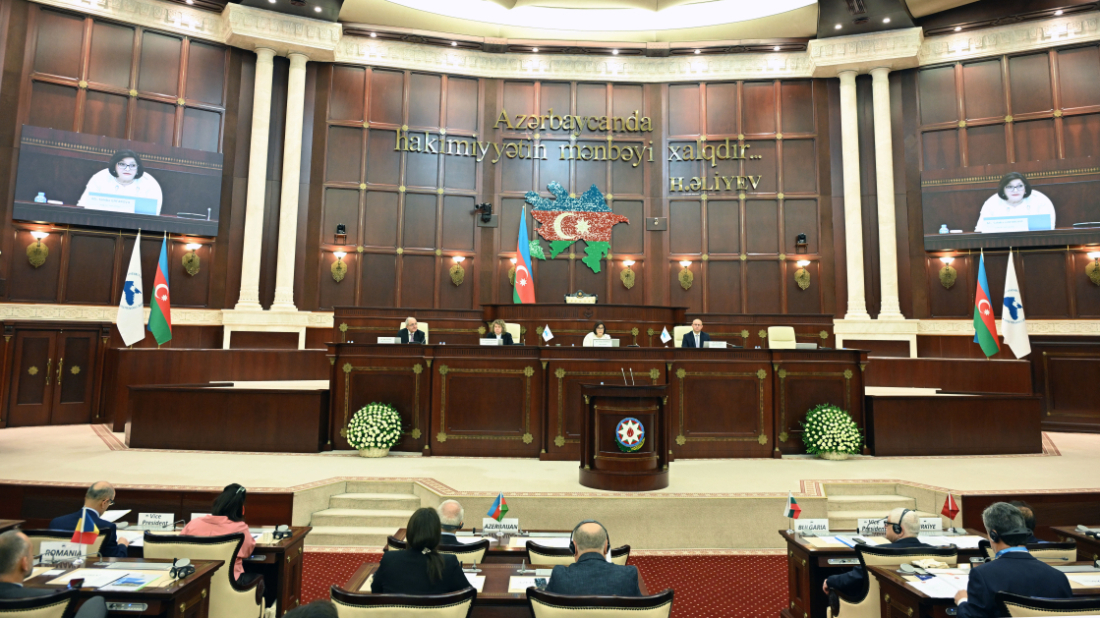
The 65th General Assembly of the Parliamentary Assembly of the Black Sea Economic Cooperation (PABSEC) convened in Baku on 18 June, bringing together parliamentary delegations and international representatives to discuss regional cooperation and sustainable development.
Speaker of the Milli Majlis of Azerbaijan and acting PABSEC President Sahiba Gafarova, addressed the opening session stressing the role of such gatherings in strengthening mutual understanding among nations. She noted that Azerbaijan prioritizes dialogue, peace, and international cooperation, and described Baku as a growing hub for regional exchange and partnership.
Gafarova also underscored the importance of inter-parliamentary collaboration, legislative harmonization, and upholding the rule of law.
Speakers of the national assemblies of Bulgaria and North Macedonia — Nataliya Kiselova and Afrim Gashi — as well as PABSEC Secretary General Asaf Hajiyev, also took the floor highlighting the need for stronger regional ties, peace, security, and infrastructure development. Emphasis was placed on improving transportation links and promoting eco-friendly transport solutions in the Black Sea region.
As part of the session, Speaker Sahiba Gafarova was presented with the PABSEC “Honour” medal in recognition of her contributions to the organization. The PABSEC Presidency was officially handed over to the Bulgarian National Assembly for the next term.
Throughout the General Assembly’s sessions, delegates reviewed reports on the organization’s work in economic, legal, social, and humanitarian areas. Discussions also addressed key topics such as strengthening connectivity in the region through sustainable transport infrastructure, combating organized crime, and expanding access to education and employment for people with disabilities.
The Assembly concluded with the adoption of key decisions and confirmation of the agenda and date for the upcoming autumn session.
The event gathered delegations from Azerbaijan, Albania, Bulgaria, Georgia, Romania, Serbia, North Macedonia, Türkiye, Ukraine, and Greece, alongside representatives from organizations such as TURKPA, BSEC, BSTDB, and other international institutions.

Cuba’s fuel crisis has turned into a waste crisis, with rubbish piling up on most street corners in Havana as many collection trucks lack enough petrol to operate.
Norway is holding a commanding lead in the medal standings with 12 golds and a total of 26, with Italy having an historic performance on home soil on the ninth day of the Milano-Cortina Winter Olympics on Sunday (15 February).
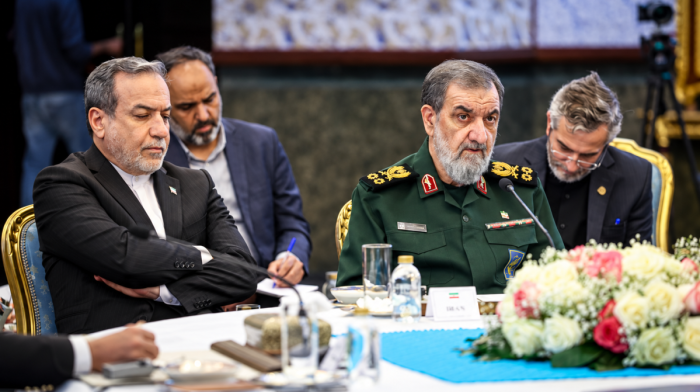
Iran’s Revolutionary Guards navy held military exercises in the Strait of Hormuz on Monday (16 February), state-linked media reported. The drill took place a day before renewed nuclear negotiations between Tehran and Washington in Geneva.
The 2026 Munich Security Conference (MSC) unfolded over three intense days in Munich, confronting a defining question of our era: has the post-Second World War international order collapsed - and if so, what will replace it?
Britain and Germany’s highest ranking military chiefs have made an unprecedented joint appeal to the public to accept the “moral” case for rearmament and prepare for the threat of war with Russia.
The United Nations Development Programme (UNDP) has warned that clearing the vast of rubble in Gaza could take up to seven years at the current pace, as the overwhelming majority of residents continue to live in what it describes as extremely dangerous conditions.
More than 80 countries and organisations, including the UN Arab Group representing 22 Arab states and members of the Organisation of Islamic Cooperation (OIC), have strongly condemned the Israeli government’s decision to launch a unilateral “land registration process” in the occupied West Bank.
Kyrgyzstan faces a critical political turning point as elite splits and public protests highlight deep divisions in Bishkek. Analysts warn that President Japarov’s dismissal of a top ally could shift the balance of power and threaten Kyrgyzstan’s political stability.
Tehran’s right to develop and use nuclear energy for peaceful purposes is “inherent, inalienable, and non‑negotiable,” Iranian Foreign Minister, Abbas Araghchi, told the high-level segment of the United Nations Conference on Disarmament in Geneva on Tuesday (17 February).
Georgia’s ruling party, Georgian Dream, is moving to criminalise what it calls “extremism against the constitutional order”, introducing a new article to the Criminal Code that could lead to prison sentences of up to three years.
You can download the AnewZ application from Play Store and the App Store.
What is your opinion on this topic?
Leave the first comment